Sweat stains come out with an oxygen bleach soak and an enzyme detergent, not chlorine bleach. Chlorine reacts with the protein in dried sweat and turns a pale yellow mark darker. Dissolve oxygen bleach powder in warm water, soak the shirt for two to four hours, then wash as normal.
That handles the emergency. The harder problem is that a shirt in Malaysia or Singapore takes damage every single day: sweat on the LRT, aircon condensation, a drying rack that never quite dries anything during the monsoon. This guide covers the removal, then the routine that stops you needing it.
What causes the yellow stains under the arms?
Aluminium salts from your antiperspirant bind with sweat proteins and skin oil, then bake into the cotton with heat. Sweat by itself rarely stains anything. The yellow crust on a white underarm is mostly antiperspirant residue that has been set into the weave by a hot dryer, a hot iron, or six months of sitting there.
Two things make it permanent. The first is time. A mark left for a fortnight in a laundry basket has already started oxidising into the fibre. The second is heat, and this catches people out: ironing over a sweat mark cooks it in. If a shirt has a shadow under the arm, treat it before the iron ever touches it.
You can also feel the buildup before you see it. When the underarm fabric goes stiff and slightly waxy, that is antiperspirant residue rather than dirt, and normal washing does not shift it. Switching to an aluminium-free deodorant stops new shirts from yellowing, though you trade some wetness control. Our deodorant guide covers that trade-off properly, and if the underlying issue is smell rather than staining, start with the body odour guide instead.
How do you remove sweat stains that are already there?
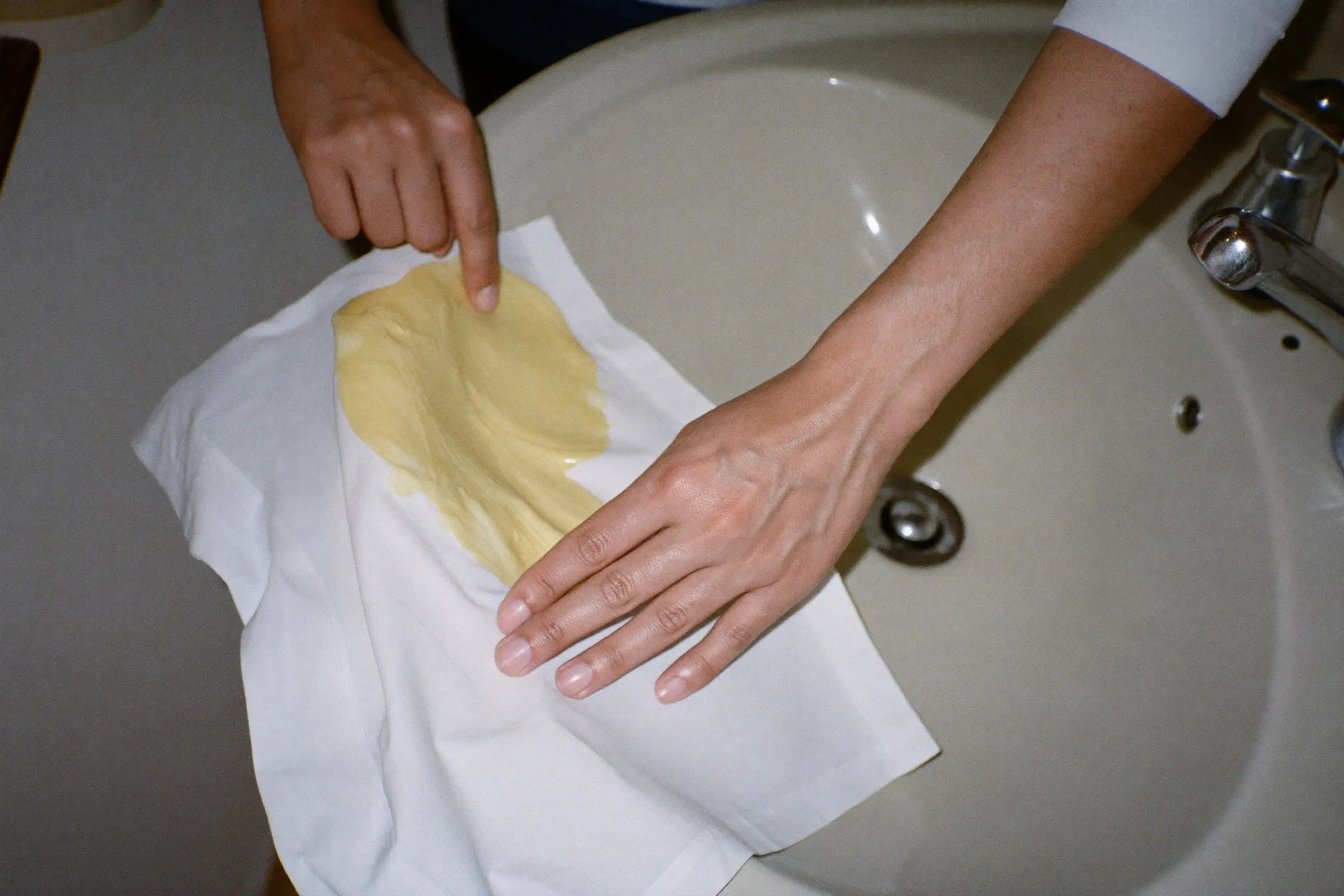
Match the treatment to how old the stain is. Fresh marks need a rinse and a detergent rub. Set-in yellow needs a soak, and sometimes two rounds of one. Nothing here takes more than ten minutes of your attention, but the soaking time is not optional.
| Stain age | Treatment | Soak time |
|---|---|---|
| Same day | Rinse cold, rub liquid detergent into the mark, wash | None |
| A few weeks | Oxygen bleach powder in warm water (Vanish Oxi Action, around RM25 to RM35 at Watsons, Guardian or NTUC) | 2 to 4 hours |
| Set-in yellow, whites only | Paste of bicarbonate of soda, 3% hydrogen peroxide and a drop of dish soap, scrubbed in with an old toothbrush | 1 hour |
| Stiff antiperspirant crust | White vinegar mixed one part to two parts water | 30 minutes |
| Coloured or patterned shirts | Colour-safe oxygen bleach only, tested on an inside hem first | 1 to 2 hours |
The peroxide paste works well and lifts colour along with the stain, so keep it on whites. Test anything on a hem before you commit a shirt you like to it.
After the soak, wash the shirt and then check the underarm while it is still wet. If a shadow remains, soak it again before drying. Once heat hits a partly treated stain, your odds drop hard.
Three things to never do: chlorine bleach on a yellowed white, a tumble dryer on a shirt with a visible mark, and an iron over an untreated underarm.
How should you wash shirts in this humidity?
Wash within a day of wearing. A sweaty shirt sitting in a basket at 80 per cent humidity grows bacteria for two days before you get to it, and that smell sets into the fibre rather than the surface. Turn shirts inside out, use a 30°C cycle, and resist filling the drum.
Detergent quantity is where most people go wrong. Half a cap does the job on a normal load. A full cap leaves residue in the weave, and that residue holds odour and grey, which sends you back for more detergent in a loop that never ends. Enzyme detergents break down protein and oil, which is exactly what body soil is made of, so read the box for the word “enzyme” rather than the word “fresh”.
Skip fabric softener on work shirts. It coats the fibres with a waxy film that traps odour and cuts the fabric’s ability to move sweat away from your skin, which is the one property you need most here. A splash of white vinegar in the rinse compartment softens just as well and rinses clean.
Once a month, run the machine empty on its hottest cycle. Front loaders in this climate grow a black rim of mildew inside the door seal, and every shirt you wash afterwards picks up a little of it.
Why does the shirt still smell musty after washing?
Slow drying, not dirty water. A thick cotton shirt on a rack in a closed KL apartment during a wet week can take twelve hours or more to dry, and bacteria multiply in damp fabric the whole time. The smell arrives at hour eight, and no amount of detergent fixes it after the fact.
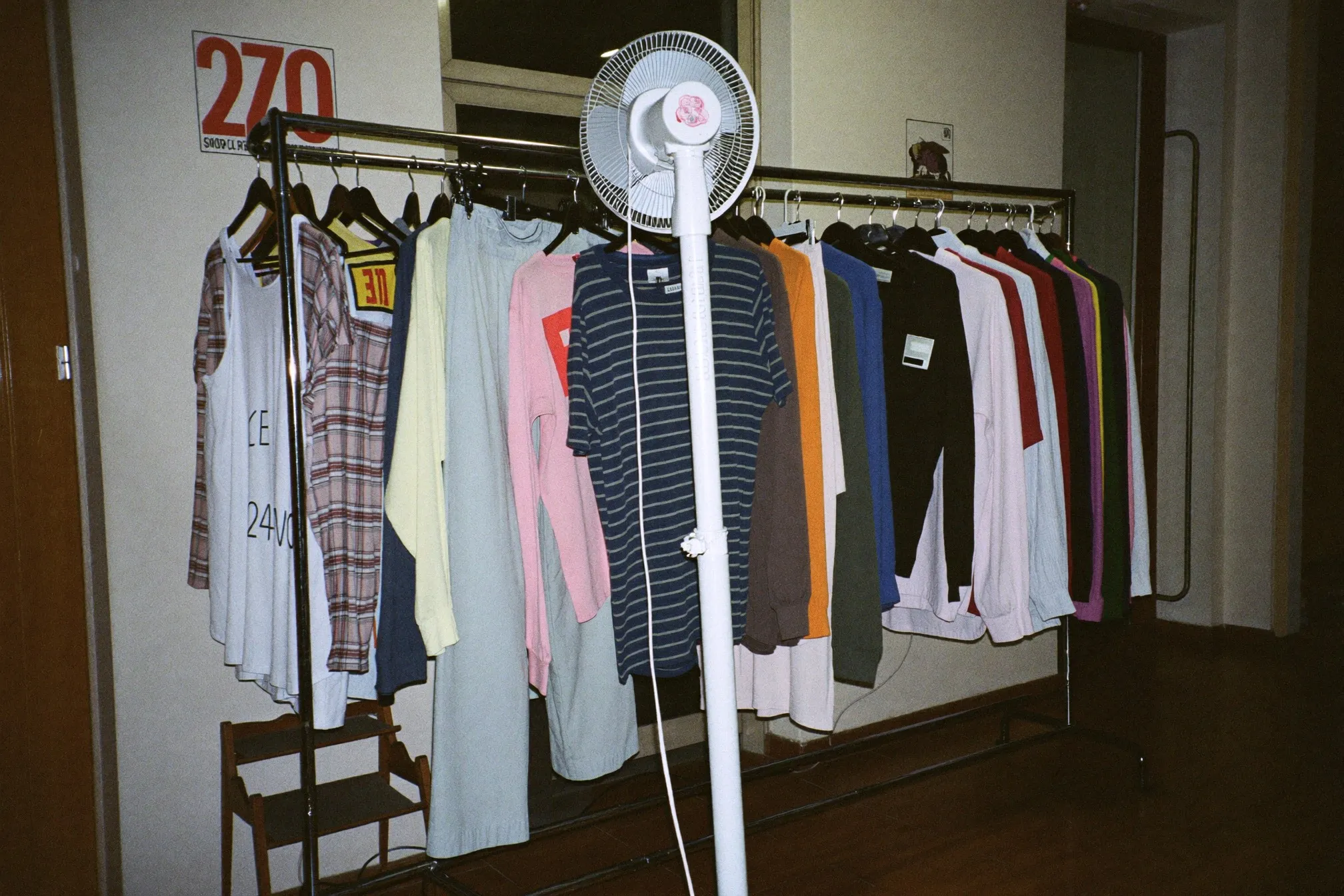
The fixes are boring and they work. Pull shirts out of the machine within half an hour of the cycle finishing. Hang them on individual hangers with a hand’s width between each one, because two wet shirts touching each other will both stay wet. Point a standing fan at the rack overnight, which cuts drying time roughly in half for the cost of a few sen in electricity. If you run a dehumidifier in the bedroom already, dry the shirts in that room with the door shut.
Sun does two useful things and one damaging one. Direct sun bleaches whites, so hang white shirts outside on your HDB pole or balcony rail if you have one. It also fades colour and weakens fibres, so hang coloured and patterned shirts in shade or turn them inside out. Never leave anything out past the point where it is dry, and never leave anything out during a KL afternoon in November unless you enjoy rewashing.
How do you iron a shirt properly?
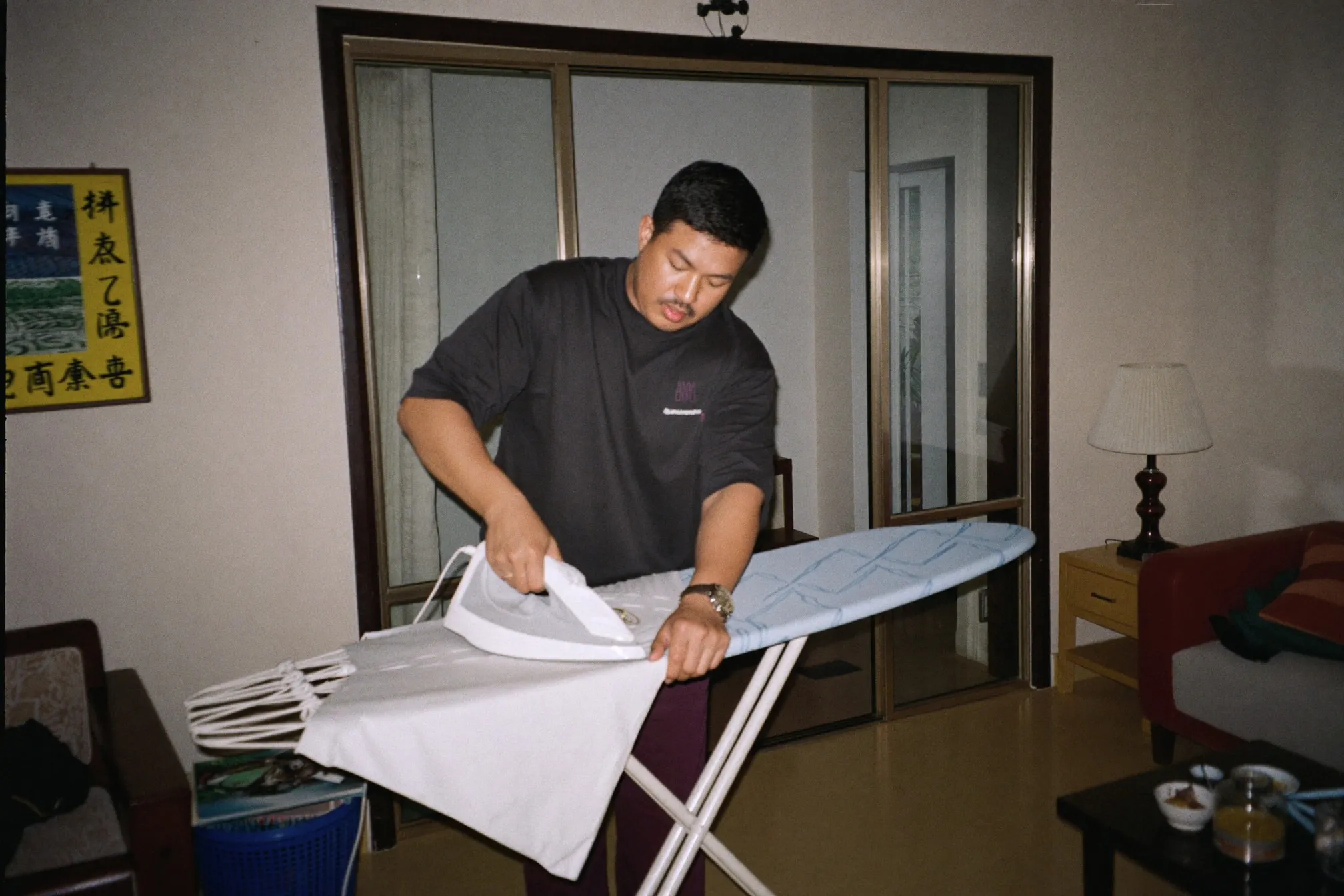
Iron in this order: collar, cuffs, sleeves, shoulder yoke, then the body panels. Working outward from the small stiff parts means you never crush a finished section under the fabric you are still working on. Iron shirts slightly damp, or use the steam function generously, because dry heat on dry cotton just polishes wrinkles.
| Fabric | Setting | Notes |
|---|---|---|
| Cotton poplin, oxford | High, steam on | Iron damp for a crisp finish |
| Linen and linen blends | High, steam on | Iron damp, accept some texture |
| Polyester blends | Medium, no steam bursts | Use a press cloth or you get shine |
| Viscose, rayon, silk | Low | Press cloth, iron inside out |
| Anything printed | Low | Always inside out |
Start the collar from the points and move toward the centre, which pushes wrinkles out rather than folding them in at the tip. On cuffs, undo every button and lay the cuff flat. On sleeves, decide deliberately whether you want a crease down the top: a pressed crease is a formal look, and a rounded sleeve reads softer and more modern under a blazer.
Hang the shirt for ten minutes before you put it on so the fibres cool and set. Buttoning up a warm shirt undoes half your work.
A decent steam iron runs around RM80 to RM150 in Malaysia, or S$40 to S$70 in Singapore. A garment steamer is faster for a quick refresh and useless for a crisp collar, so it complements an iron rather than replacing one. If ironing genuinely will not happen in your life, neighbourhood dobi shops in KL and PJ press shirts for roughly RM2 to RM4 each, and Singapore laundries charge somewhere around S$1.50 to S$3. That is a cheap way to keep the office wear rotation looking deliberate, and it costs less than replacing shirts you have wrecked.
When is a shirt finished?
Collars fray first, along the top fold edge where stubble and skin oil grind at the fabric. Once you see white threads lifting there on a coloured shirt, it is done for anything client-facing. Underarms that stay grey after two proper soaks are also done. Thinning at the elbow and buttons that pull at the placket are separate signals, usually meaning the shirt stopped fitting a while ago.
Rotation extends all of this. Five shirts across a working week gives each one time to dry out fully between wears, and that alone buys you many extra months compared with cycling three shirts hard. Demote retired shirts to weekend and home use rather than binning them, which is also a decent argument for buying work shirts in colours you would wear off duty. For what to buy in the first place, the business casual guide and the smart casual breakdown both cover fabrics that handle this climate, and the rest of the style hub covers the fit side.
Tonight, go find the white shirt you quietly stopped wearing. Fill a basin with warm water, stir in a scoop of oxygen bleach until it dissolves, drop the shirt in and leave it while you sleep. Wash it in the morning and check the underarm before it goes anywhere near heat. Most shirts people write off are one soak away from another two years of service.
Quick answers
Does bleach remove yellow sweat stains?
No, and chlorine bleach usually makes them worse. It reacts with the protein in dried sweat and turns a faint yellow mark into a darker brown one. Use an oxygen bleach powder instead, dissolved in warm water, and give it a two to four hour soak.
Why do my white shirts go yellow under the arms?
Aluminium salts in antiperspirant bind with sweat and skin oil, then set into the cotton with heat from your dryer or your iron. Plain sweat rarely stains on its own. Switch to a deodorant without aluminium and the yellowing stops appearing on new shirts.
How do I stop my clothes smelling musty after washing?
Musty smell means the shirt dried too slowly and bacteria grew in the damp fibres. Get shirts out of the machine within half an hour of the cycle ending, space them on the rack so air moves between them, and point a fan at the rack overnight.
What iron temperature should I use for a cotton shirt?
The highest setting with steam, on a shirt that is still slightly damp. Cotton poplin and oxford both take full heat. Anything with polyester in the blend needs medium heat and a press cloth, because a hot plate melts a shine into synthetic fibres permanently.