
Body odour comes from bacteria, not sweat. Fresh sweat is close to odourless; the smell arrives when the bacteria living on your skin break it down, which is why your armpits and groin do most of the damage while your forearms do none.
That means the fix has two halves. Give the bacteria less to feed on, and give them less time to work. In a climate that sits near 30°C and 80 per cent humidity every month of the year, both halves need more effort than they would in London. Below is the whole list, from the boring basics to the point where you should stop buying products and book a GP.
What causes body odour?
Your skin carries bacteria that feed on sweat from the apocrine glands, which cluster in the armpits and groin. Their by-products are the smell. Sweat from everywhere else comes from eccrine glands and is mostly water and salt, which smells of almost nothing. The NHS also lists heavy sweating, hormonal change, some medicines and certain conditions among the causes.
Apocrine glands switch on at puberty, which is why children can run around all afternoon and still smell of nothing much. The sweat they produce carries proteins and fats, a far better meal for bacteria than plain saline. Hair makes it worse by holding that sweat against warm skin for hours, giving the colony a stable home with good weather.
Genetics decide a surprising amount too. A variant of the ABCC11 gene common across East Asia produces both dry earwax and very little underarm odour, which is one reason the men complaining loudest in any KL office are often the ones who moved there. If you sweat buckets and barely smell, you probably won the draw. If you smell after twenty minutes on a covered walkway, you did not, and you get to work harder than your colleagues for the same result. That is unfair and also not a hygiene failure.
Why is it worse in Malaysia and Singapore?
Sweat cools you by evaporating. At high humidity it cannot evaporate properly, so your body keeps producing more while the first batch sits on your skin doing nothing except feeding bacteria. Add a walk from the MRT, a motorbike ride, or ten minutes of standing at a bus stop, and you arrive at work already several hours into the process.
The daily pattern here is brutal in a specific way. You shower, you dress, you leave the flat, and by the time you reach the office lobby you have undone the shower. Products formulated for a European summer are tested against conditions we would call a cold snap. Anyone who has watched a European colleague discover August in Kuala Lumpur understands the mismatch.
The other local factor is clothing. Office dress codes here still lean towards long sleeves and closed shoes, and a lot of men switch to polyester because it dries fast. Polyester dries fast and also holds odour compounds through a normal wash, which sets up the exact problem the next section covers.
What gets rid of body odour, in order?
Work down this list rather than jumping to the expensive end. Most men solve the problem in the first three steps, and the products only start earning their price after the basics are handled.
- Wash with soap, daily, and get into the corners. Water alone rinses sweat but leaves the oils that bacteria live in. The NHS advice is straightforward: wash armpits and groin with soap every day. Thirty seconds of attention beats any product you can buy.
- Dry properly before you dress. This is the step almost everyone skips. Towel-dry in 80 per cent humidity is optimistic, so stand under the fan or aircon for a minute. Bacteria and fungus both prefer damp skin, and antiperspirant applied to a wet armpit washes straight off.
- Trim the armpit hair. You do not have to shave. Cutting the hair short reduces the surface holding sweat against your skin, and it makes deodorant reach the skin instead of the hair.
- Use an antiperspirant, at night. Aluminium salts reduce the sweat itself, and they settle into your sweat ducts best overnight on dry skin. Our deodorant and antiperspirant guide covers the formats and the reasoning in full.
- Wear clothes that have been washed since you last sweated in them. No rewearing shirts. See the next section on why some clean shirts still fail.
- Only then, add fragrance. Cologne over body odour produces a third smell that is worse than either of its parents. Once the base is clean, the perfume guide covers what survives this heat.
Different parts of you smell for different reasons, and the same stick of antiperspirant does not solve all of them:
| Where | Why it smells | What fixes it |
|---|---|---|
| Armpits | Apocrine sweat plus bacteria, held in hair | Daily soap, trimmed hair, antiperspirant at night |
| Feet | Sweat trapped in closed shoes, sometimes fungal | Rotate two pairs of shoes, cotton socks, dry between toes |
| Groin | Apocrine glands plus friction and heat | Soap daily, breathable underwear, change after training |
| Scalp | Oil and sweat, worse under helmets and caps | Wash more often in this climate, air the helmet lining |
| Skin folds | Trapped moisture, sometimes yeast | Dry thoroughly, see a GP if the skin turns red or itchy |
Feet deserve their own note because the fix is often not hygiene. Persistent foot odour with itching, peeling or cracked skin between the toes usually means athlete’s foot, a fungal infection the NHS says pharmacists can treat with an antifungal cream or spray. No amount of scrubbing clears a fungus. The right RM20 tube does.
Is it you or your shirt?
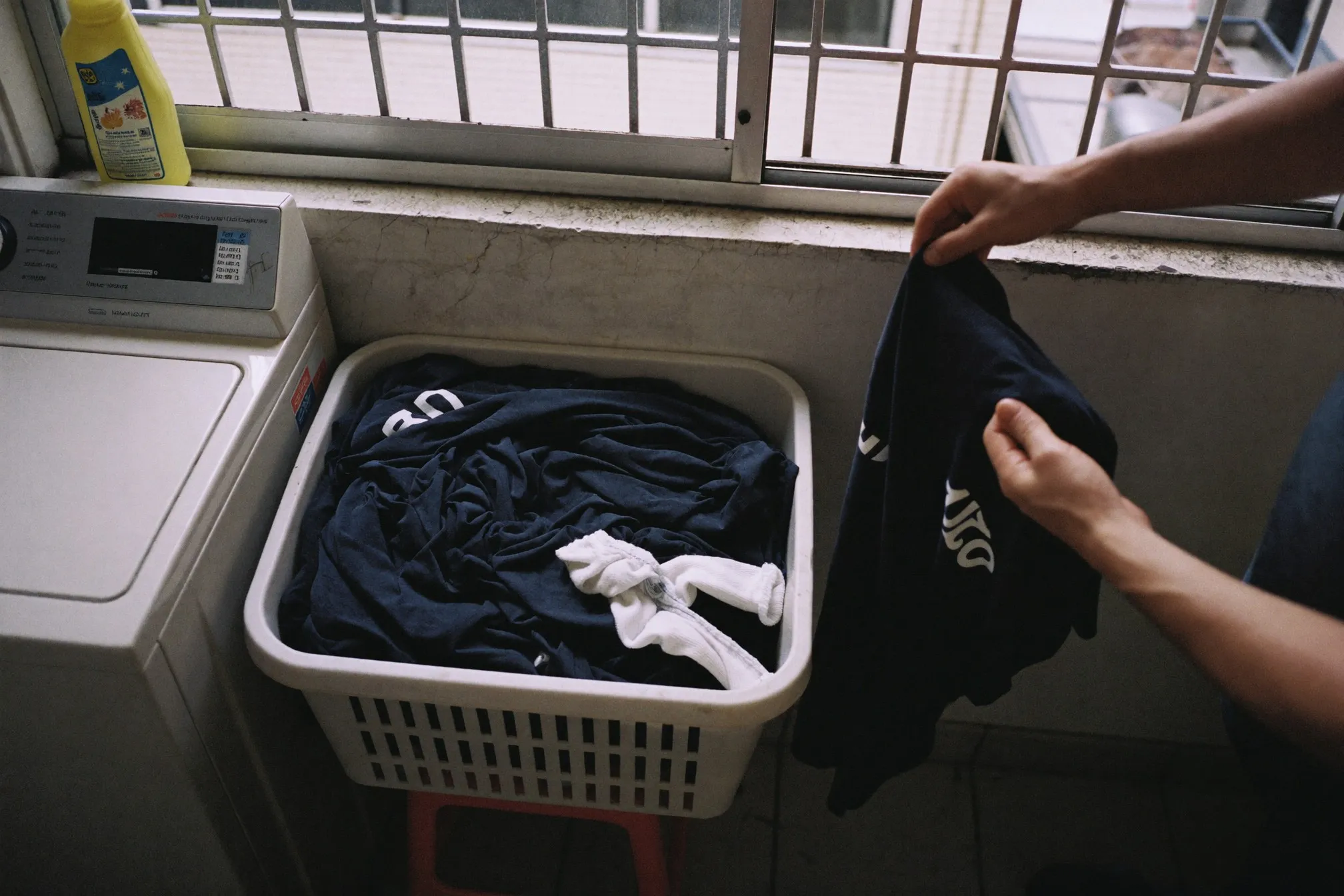
Often the shirt. Polyester and other synthetics trap odour compounds in the fibre, and a normal cold wash with regular detergent does not remove them. The shirt comes out of the machine smelling fine, then releases everything the moment it warms up on your body. Ten minutes into your commute you are wearing last Tuesday.
What to do about it:
- Soak gym wear in a sports detergent, or in a bucket with a capful of white vinegar for half an hour before washing. Vinegar costs a few ringgit at any grocer.
- Wash sweaty clothes on the day, or at least hang them dry rather than leaving them balled in a bag. A wet gym shirt in a locked car in KL is a science experiment.
- Retire the shirts that lose. Once a dri-fit smells the instant you sweat in it, the colony is permanent. A RM25 shirt that stinks is worth nothing.
- Wear a light undershirt with office shirts. It catches sweat before the outer layer can hold it, and it protects your good shirts from yellow underarm stains.
- Buy cotton, linen or merino where the dress code allows it. Natural fibres hold odour far less than synthetics do.
Does what you eat change how you smell?
Some of it does. Garlic, onion, petai, durian and heavy spice produce compounds your body clears partly through sweat and breath, so they can show up on your skin for a day or so. Alcohol does something similar. None of this makes you unhygienic, and none of it requires a lifestyle change.
The practical version: eat what you like, but the night before a client presentation or a first date is a reasonable time to skip the extra sambal petai. Drink water through the day, since concentrated sweat smells stronger than dilute sweat. Beyond that, ignore the supplement industry. Chlorophyll tablets and “detox” powders sold on Shopee for RM80 have nothing behind them.
When should you see a doctor?
See a GP if your body odour changes suddenly, if you sweat much more than the people around you for no obvious reason, or if you get drenching night sweats. Those are the NHS triggers, and they exist because sweating and smell can point to a treatable condition rather than a hygiene problem.
Excessive sweating has a name, hyperhidrosis, and real treatments. The American Academy of Dermatology describes options that run well past pharmacy shelves, including prescription-strength antiperspirants and procedures. If clinical-strength products from Watsons or Guardian have failed and you are changing shirts at lunchtime, that consult is overdue. A fifteen-minute appointment beats a drawer of dead sticks.
Two other reasons to go rather than to keep shopping: a sweet or fishy smell that washing does not touch, and red, itchy or broken skin in the areas that smell. Both can have specific causes with specific treatments. Nothing in this article diagnoses anything, and a GP costs less than the year of products you would otherwise buy.
More on smelling like a functioning adult in this weather sits in the fragrance and body hub, and if the gym is part of your week, the beginner gym guide covers the changing-room logistics that decide how you smell at dinner.
Tonight: shower, stand under the fan until your armpits are dry to the touch, then apply an antiperspirant before bed. Tomorrow, wear a cotton or linen shirt that came straight from the wash. Two changes, no spending, and you will know by the evening commute whether your problem was your body or your wardrobe.
Quick answers
What causes body odour?
Bacteria on your skin break down sweat from the apocrine glands in your armpits and groin, and the by-products are what you smell. Fresh sweat is close to odourless on its own. The NHS also lists heavy sweating, hormonal change, some medicines and certain health conditions as contributors.
How do I get rid of body odour fast?
Shower with soap, dry your armpits and feet completely, put on clothes that have been washed since you last sweated in them, and apply an antiperspirant. That sequence handles most cases within a day. Perfume over unwashed skin makes the smell worse, not better.
Why do my armpits smell even after a shower?
Usually the shirt rather than your skin. Synthetic fabrics hold odour compounds through a normal wash, so a clean-looking dri-fit can smell within minutes. Damp skin at the moment you apply deodorant, and armpit hair holding yesterday's sweat, are the next two suspects.
Can body odour be a sign of illness?
It can. The NHS advises seeing a GP if your body odour changes suddenly, if you sweat far more than usual for no clear reason, or if you notice night sweats. A sweet or fishy smell that no amount of washing shifts is also worth a consult rather than another product.