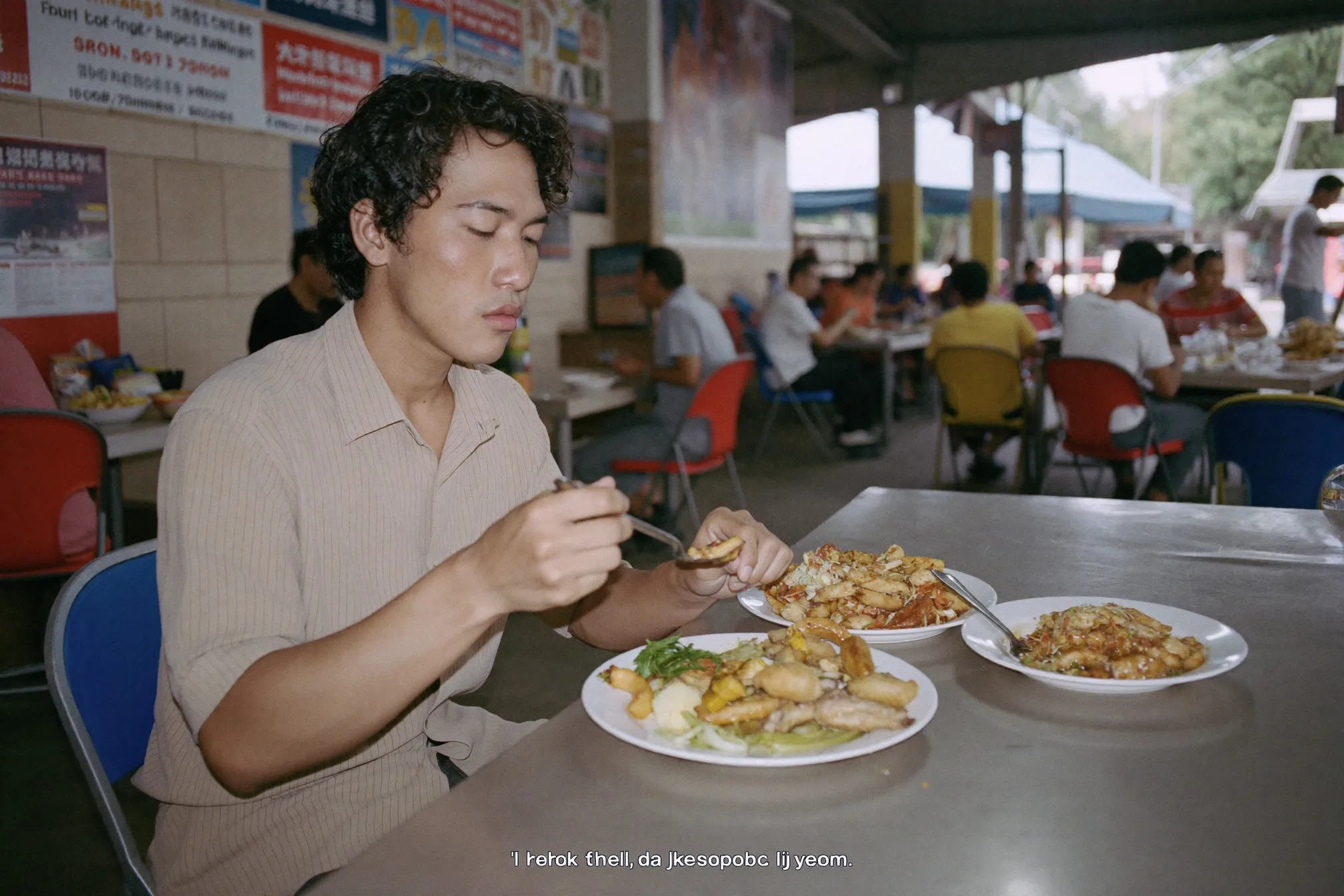
The high protein foods at a hawker centre are the ones you already walk past: steamed chicken rice, sliced fish soup, yong tau foo, satay, and the economy rice tray if you take two meat dishes instead of one. A decent hawker meal carries roughly 25 to 35 grams of protein for under RM12 or S$7. That is most of a third of your day, sorted before you sit down.
The problem is not that local food lacks protein. The problem is the default order. Rice, noodles and roti do the heavy lifting on most plates here, and the meat arrives as garnish. Fix the ratio and you can eat out three times a day and still build muscle.
How much protein do you need in a day?
General nutrition guidance puts the adult baseline near 0.8 grams per kilogram of bodyweight. Sports nutrition guidance for people who train regularly runs higher, usually in the range of 1.2 to 2.0 grams per kilogram. A 70kg man lifting three or four times a week lands somewhere around 100 to 140 grams a day.
That number sounds enormous until you break it into meals. Thirty grams at breakfast, 35 at lunch, 35 at dinner and a snack gets you there. Most men here miss it in one specific place: breakfast. Roti canai with teh tarik is under 10 grams. Kaya toast with kopi peng, half boiled eggs included, is maybe 14. Two thin meals early means you spend the evening trying to catch up with satay, which nobody sensible does.
Total daily intake matters more than perfect timing. If you get 120 grams across two big meals and a shake, your muscles do not file a complaint. Spreading it out helps appetite and energy more than it helps growth. For the training side of the equation, our muscle building guide covers what the food is meant to support.
Which hawker dishes carry the most protein?
Steamed and soup-based dishes beat fried ones on protein per ringgit almost every time. The table below gives rough estimates for a standard single portion. Stall portions swing widely, so read these as ballpark figures, not measurements.
| Dish | Rough protein | Worth knowing |
|---|---|---|
| Sliced fish soup (no milk) | 28 to 35g | Best protein-to-calorie ratio at most centres |
| Steamed chicken rice, quarter chicken | 28 to 35g | Ask for less rice, keep the chicken |
| Economy rice, two meat dishes | 28 to 38g | Depends entirely on what you point at |
| Yong tau foo, 8 pieces plus fish | 22 to 30g | Skip the fried pieces, take the soup version |
| Satay, 10 sticks | 22 to 28g | High protein, high sugar in the peanut sauce |
| Bak chor mee | 18 to 25g | Add extra minced pork or a fishball |
| Wanton mee | 18 to 22g | Char siew carries most of it |
| Nasi lemak with fried chicken | 24 to 30g | Plain nasi lemak alone is closer to 12g |
| Char kway teow | 14 to 18g | Cockles and egg help, oil does not |
| Laksa | 16 to 22g | Prawns and fishcake, plus a lot of coconut milk |
| Chicken chop, western stall | 30 to 38g | Grilled beats fried by a clear margin |
| Popiah | 6 to 9g | A side, not a meal |
The pattern is obvious once you see it laid out. Any dish where the protein is the headline (fish soup, chicken rice, chicken chop) clears 28 grams. Any dish where the protein is a topping (char kway teow, mee goreng, laksa) sits under 20 no matter how good the stall is.
Two orders that quietly fix this: ask for an extra egg, which most stalls add for RM1.50 to RM2.50 or around S$1, or order a second portion of the meat on its own. An extra chicken thigh at a nasi lemak stall costs less than a Grab surcharge and adds around 20 grams.
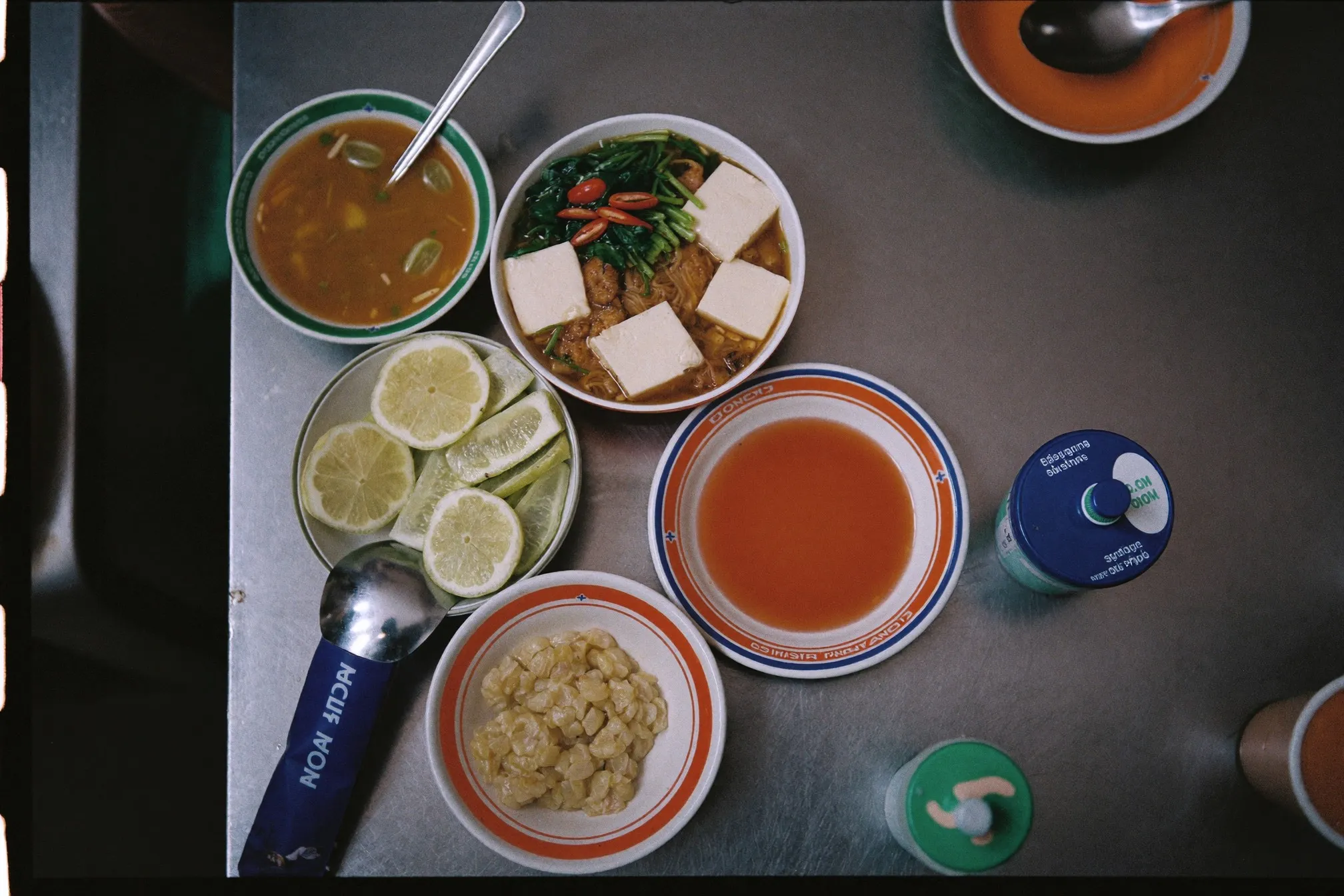
What can you order at the mamak?
The mamak is where protein goes to die, and it does not have to. The base carbs (roti, mee, nasi) contribute almost nothing. Everything useful comes from what you add: eggs, chicken, mutton, dhal and paneer.
Rough estimates for common mamak orders:
- Roti canai, plain: 6 to 8g
- Roti telur: 12 to 15g
- Thosai plain: 6 to 8g
- Thosai with sambar and dhal: 12 to 16g
- Maggi goreng ayam: 14 to 18g
- Mee goreng mamak: 10 to 14g
- Nasi kandar with ayam goreng and dhal: 30 to 38g
- Tandoori chicken, quarter: 30 to 35g
- Half boiled eggs, two: 12g
- Mutton varuval, standard portion: 25 to 30g
- Teh tarik: 3 to 4g, mostly from the condensed milk
Nasi kandar and tandoori chicken with naan are the two mamak orders that hold up against anything at a gym cafe, at a third of the price. Tandoori chicken with plain rice and dhal is close to a bodybuilder’s meal that happens to taste good, which is not something you can say about most meal prep.
The trap is the 2am order. Maggi goreng after a night out gives you carbs, oil and a fraction of the protein you think it does. Add two half boiled eggs and it becomes a real meal.
How do you reach 120 grams eating out three times a day?
Order protein first and treat the carbs as whatever comes with it. Below is a sample day that hits roughly 120 grams using food you can buy within walking distance of most offices in KL, PJ or the CBD.
| Meal | Order | Rough protein |
|---|---|---|
| Breakfast | Two half boiled eggs, kaya toast, kopi kosong | 14g |
| Mid-morning | Soy milk or a plain yoghurt from 7-Eleven | 8 to 12g |
| Lunch | Sliced fish soup with rice | 30g |
| Afternoon | Handful of roasted nuts or a boiled egg | 8g |
| Dinner | Economy rice, chicken plus egg plus tofu | 35g |
| Late | Whey shake or a small tub of Greek yoghurt | 20 to 25g |
That comes to roughly 115 to 125 grams without a single “healthy” meal in the Western sense. No salad was harmed.
The shake at the end is optional but it is the cheapest gram of protein you will buy anywhere in this region. If you are weighing whether it is worth the tub, our whey protein guide breaks down cost per serving and who genuinely needs it.
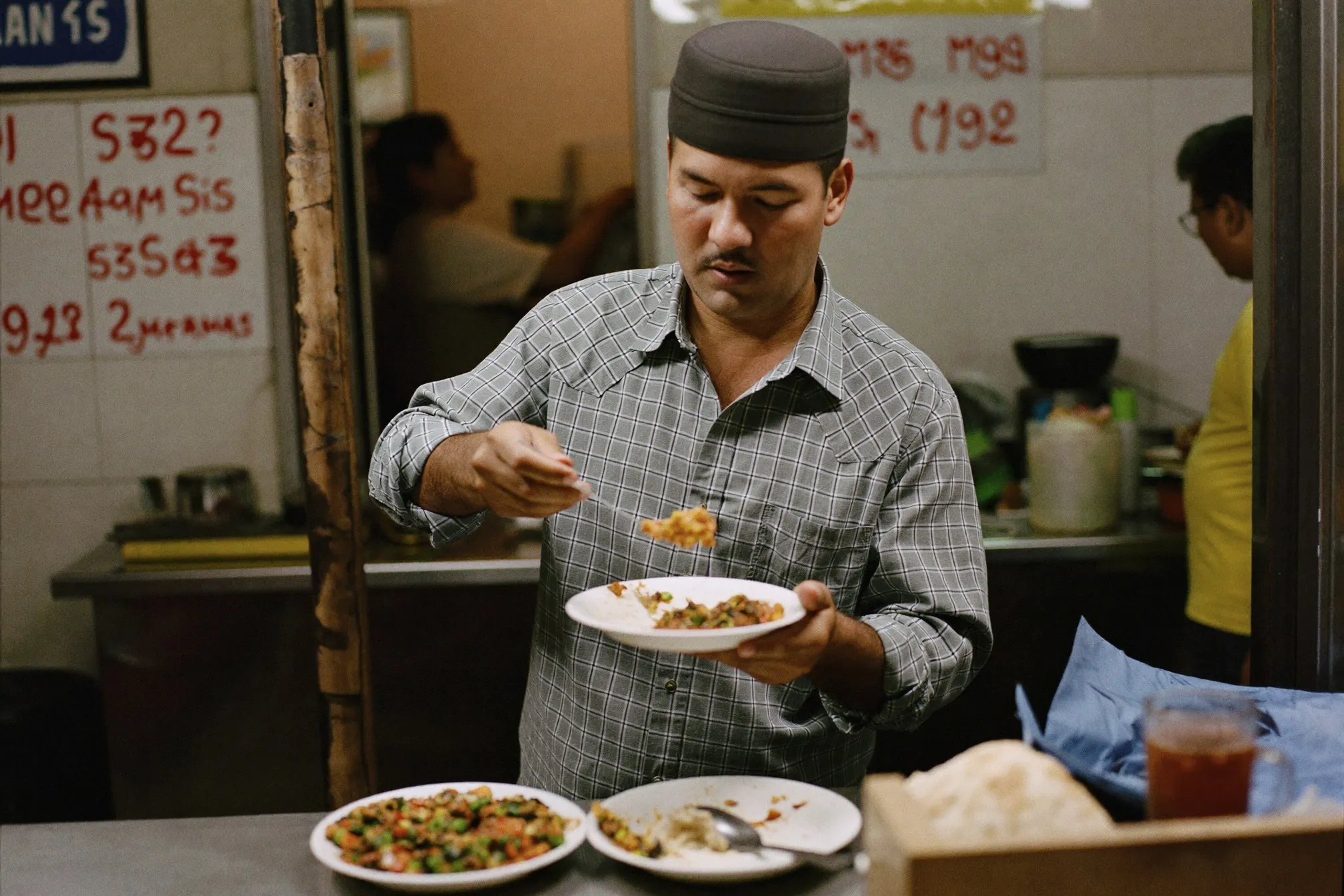
What are you giving up by eating this way?
Protein is only one number on the plate. Hawker and mamak food tends to run high in oil, sodium and refined carbohydrate, and eating three fried meals a day will show up on you long before your bench press does. Health bodies broadly advise cutting back on salt and saturated fat rather than tracking any single nutrient in isolation.
The practical fix is rotation. Steam, grill and soup for most meals, fried for the ones you look forward to. Sliced fish soup on Monday buys you char kway teow on Friday. Ask for less rice at economy rice stalls, which almost every uncle will do without comment, and you cut a chunk of the calories while keeping all of the protein. If fat loss is the actual goal, our guide to losing belly fat covers the calorie side properly.
One caveat worth taking seriously. If you have kidney disease, diabetes or high blood pressure, or you take medication that interacts with diet, speak to a GP or a dietitian before you push protein up. High protein intake is fine for healthy adults, but “healthy” is doing real work in that sentence, and a hawker diet is already salty.
Where do vegetarians find protein at a hawker centre?
Tofu, tempeh, dhal and eggs, in roughly that order of availability. A vegetarian yong tau foo bowl with eight tofu and beancurd pieces gives you 15 to 20 grams. Thosai with sambar and coconut chutney adds up faster than it looks. Tempeh goreng at a nasi campur stall is one of the better protein sources in the region and costs a couple of ringgit.
The honest position: hitting 120 grams as a vegetarian on hawker food alone is hard. Most people who manage it lean on eggs, add a soy milk or two, and keep a tub of plant protein at home. Chickpea and dhal-based dishes at Indian vegetarian stalls in Little India or Brickfields close a lot of the gap.
Start with one order
Tomorrow, buy your usual lunch, then add one thing to it: an extra egg, a second piece of chicken, a side of tofu. Do that for a week and you will add somewhere around 100 to 140 grams of protein across seven days without changing a single habit. Then look at breakfast, which is where you are losing the most, and swap the roti canai for a roti telur. It costs an extra ringgit and does more for you than any supplement in the same price range.
If you are pairing this with training, start here and browse the rest of the fitness guides when you want the programme to match the plate.
Quick answers
What are the highest protein foods at a hawker centre?
Sliced fish soup, steamed chicken rice, yong tau foo with fish and tofu, satay, and economy rice with two meat dishes all land roughly in the 25 to 35 gram range per serving. Portions vary by stall, so treat those figures as estimates rather than counts.
How much protein do I need per day?
General nutrition guidance sets the baseline near 0.8 grams per kilogram of bodyweight for adults. Sports nutrition guidance for people training regularly usually sits higher, around 1.2 to 2.0 grams per kilogram. A 70kg man who lifts often targets somewhere between 100 and 140 grams.
Can I hit my protein target eating out every day?
Yes, if you order deliberately. Two hawker meals with a proper meat or fish portion plus a protein-heavy breakfast covers most of a 120 gram day. The failure point is usually breakfast, where roti canai and teh tarik give you under 10 grams.
Is hawker food too oily to eat every day?
Many hawker dishes run high in oil and sodium, so mixing steamed, grilled and soup-based options with the fried ones matters. If you have high blood pressure, diabetes or kidney concerns, talk to a GP or dietitian before changing how much protein you eat.