A personal trainer in Singapore charges roughly S$90 to S$150 an hour, dropping to about S$70 to S$110 a session inside a package. In KL the same hour costs somewhere between RM120 and RM250. A gym membership runs RM60 to RM250 or S$70 to S$200 a month, and a drop-in group class lands around RM40 to RM90 or S$25 to S$45.
Those numbers answer the price question. They do not answer the useful one, which is what each option fixes. A gym sells access. A class sells a scheduled hour you feel bad about skipping. A trainer sells attention. Work out which of those you are missing, then buy that.
What does each option cost in MY and SG?
Budget monthly: RM60 to RM250 for a gym, RM160 to RM360 for one class a week, RM480 to RM1,000 for a trainer twice a week. Singapore runs higher across the board. Every figure here is a rough market range as of August 2026, not a quote, and rates shift with location, peak hours and how hard you negotiate.
| What you buy | Malaysia (approx) | Singapore (approx) | What the money covers |
|---|---|---|---|
| Condo or estate gym | Free with your address | Free with your address | Equipment access, nothing else |
| Public gym (ActiveSG in SG) | Council gyms vary | A few dollars per entry | Basic kit, no contract |
| Budget gym chain | RM60-120/month | S$70-110/month | Access plus a free induction |
| Mid-tier 24-hour gym | RM150-250/month | S$120-200/month | Wider equipment, odd hours, some classes |
| Group class, drop-in | RM40-90 | S$25-45 | One coached hour, attention shared |
| Class pack of ten | RM350-700 | S$220-400 | Same hour, 10-20% cheaper each |
| Personal training, single | RM120-250 | S$90-150 | One hour, one coach, your programme |
| PT package of 10-20 | RM100-200/session | S$70-110/session | Same, paid upfront |
| Boutique studio membership | RM300-600/month | S$250-450/month | Near-unlimited classes, a crowd you know |
Two costs never appear on the price list. The first is distance. A gym 25 minutes away loses to a basic one downstairs, every time, and the gym for beginners guide covers why that matters more than equipment. The second is the joining fee, admin fee, card fee and whatever else gets added at signing. Ask for the total first-month figure, in writing, before anyone brings out a pen.
When is a personal trainer worth the money?
A trainer earns the rate when you are new enough that your form is guesswork, when a sore shoulder or knee changes what you can safely train, or when you have a date on the calendar and no time to experiment. Outside those cases, you are paying premium prices for company.
Eight to twelve sessions covers most beginners. Spread them over two or three months rather than burning through them in six weeks, and treat the last two as handover: your trainer writes the programme, you run it alone, then you come back and get it audited. Anyone selling you forty sessions before they have watched you move once is selling a subscription, not coaching.
The prepaid balance is where people lose money. A package expires, a studio closes, a trainer moves to another gym and your remaining sessions turn into an argument. Buy ten at a time. Check the expiry date and the transfer policy, and check whether the sessions follow the trainer or stay with the gym.
Quality swings wildly at every price point. Before you commit, ask which certification the trainer holds and when it was last renewed. Bodies like ACE, NASM and ISSA are widely recognised across the region. Ask whether their first aid and CPR is current. Then buy one trial session and watch what happens: a good trainer spends the first twenty minutes on an assessment and adjusts the plan around what they see, while a weak one counts your reps out loud and checks his phone between sets.
One more lever most people miss. Semi-private training, where you split the hour with a friend of similar ability, runs close to 60 percent of the solo rate each. You lose some attention. You gain someone who notices when you skip.
What does a gym membership actually buy?
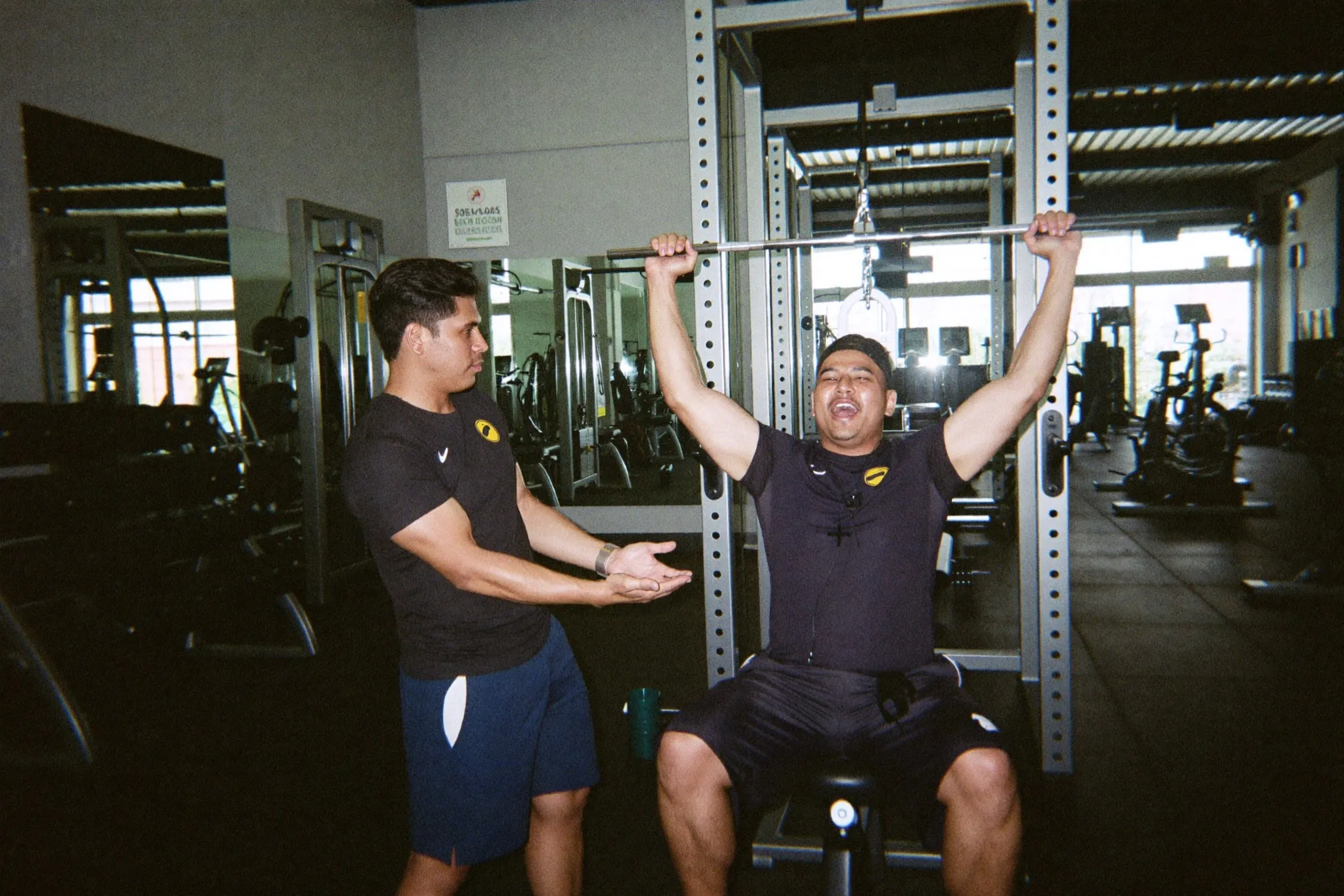
Access to equipment and somewhere to be. That is the entire product. The membership will not tell you what to do, will not notice that you missed three weeks, and will keep billing you the whole time you are away. None of that is a criticism. It is the cheapest hour of training you can buy.
Run the maths. A RM100 membership used twelve times a month costs a little over RM8 a session. The same month with one trainer session a week costs upward of RM600. If you already have a programme you trust, or you are willing to follow one from the build muscle guide, the gym is the correct first purchase and the other two are upgrades.
The catch is that the cheapest option is also the easiest to abandon. Nothing happens when you do not go. That is why the trial matters: visit at the hour you would train, not on a Sunday afternoon when the place looks spacious. A gym that feels calm at 3pm can be a fifteen-minute queue for a bench at 7.30pm, and the 7.30pm version is the one you are buying.
If no decent gym sits within ten minutes of your route, stop trying to force it. Two dumbbells and a mat in the spare room beat a membership you use twice a quarter, and the home workout guide is built for exactly that constraint.
Are fitness classes worth the price per session?
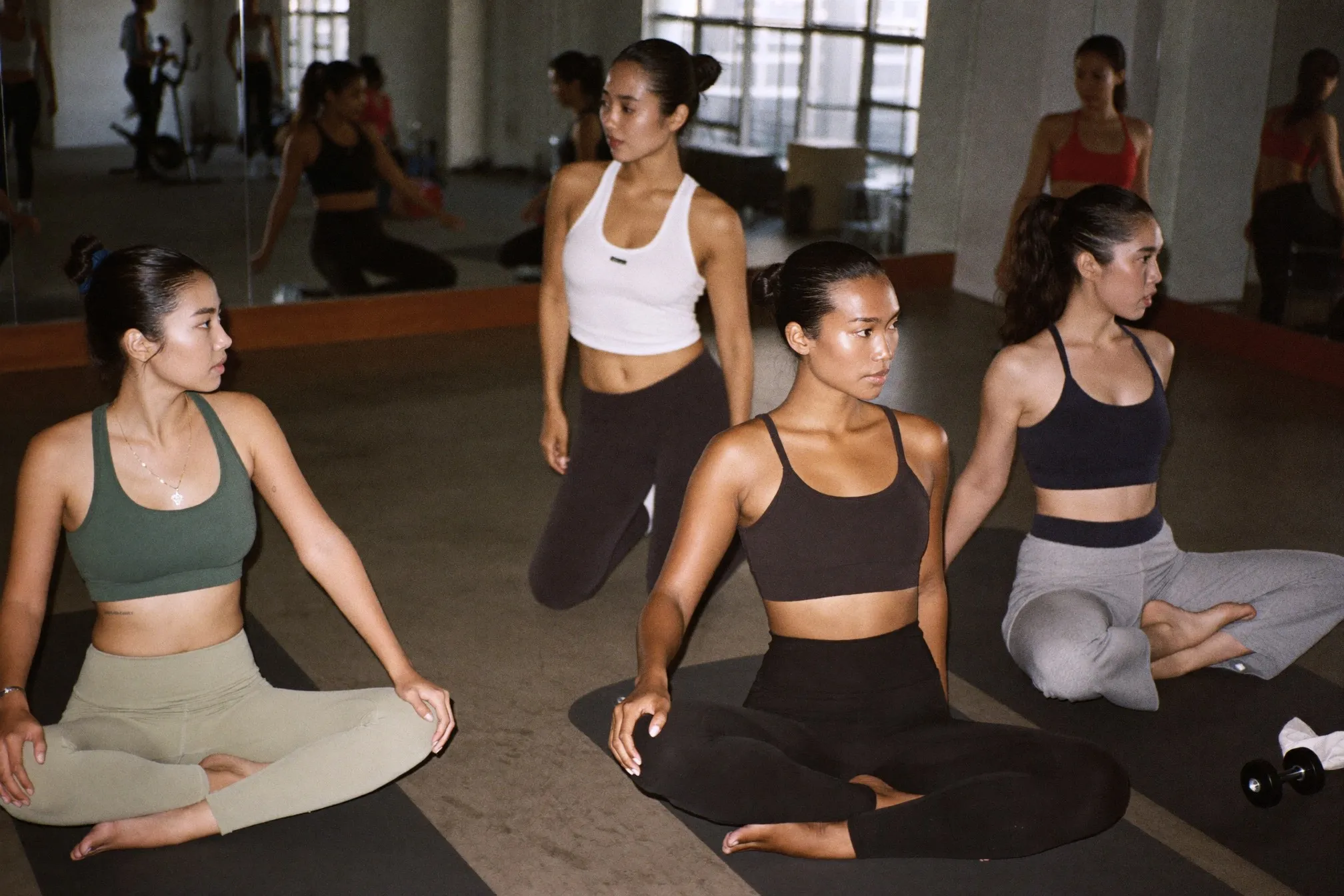
A class costs three to five times a gym session and buys you a fixed start time, a coach watching the room, and a group that notices when you stop coming. If your problem is turning up rather than knowing what to do, that is a fair trade. If you need your deadlift corrected, twenty people in one room will not get you there.
What each type is good at:
- Spin and HIIT. Hard conditioning, high sweat, easy to follow with no technique background. Poor at building strength, since the load never goes up in any structured way.
- Boxing and muay thai. The most fun most men have training, and skill work keeps you interested for years. Plenty of neighbourhood gyms in KL and JB run these at RM30 to RM60 a session, well under studio pricing.
- Yoga and pilates. Useful for stiff desk bodies and cranky lower backs. Reformer pilates in Singapore is among the priciest hours on this list, and mat classes deliver most of the benefit for a third of it.
- CrossFit-style group strength. The closest a class gets to real progressive training, and the closest to a coach who knows your name. Also the most dependent on the coach, so try before you buy the term.
Class size is the number that matters more than the price. Six people means real corrections. Twenty-five means an aerobics session with a soundtrack. Ask how many mats or bikes the room holds, then ask how full the 7pm slot runs.
The honest limitation: very few classes progressively load you week on week, so muscle and strength gains flatten after a few months. Plenty of people are fine with that. If you want the mirror to change, pair one or two classes a week with a gym membership and a lifting plan.
Which one fits your goal?
Match the spend to the specific thing blocking you. Most people buy the expensive option to solve a problem the cheap one already handles, then quit anyway because the gym was 25 minutes from home.
| Your situation | Spend here first | Why |
|---|---|---|
| Never trained, nervous about the floor | Cheapest close gym, plus 8 PT sessions later | Prove the habit before you pay for coaching |
| Want to lose the belly | Gym membership plus your kitchen | Training is the smaller half of it. See lose belly fat |
| Want visible muscle | Gym, with a programme | Classes rarely add load week on week |
| Cannot make yourself go | Class pack or a trainer | You are buying the appointment, not the hour |
| Nagging knee, back or shoulder | Physio first, then a trainer | Get it assessed, then train around it |
| Hate training alone | Boutique studio or a fight gym | The crowd is the product |
| Deadline: wedding, photos, trip | Trainer twice a week | Fastest correction of everything at once |
| Broke this quarter | Estate gym or running | Free. See running for beginners |
What should you ask before you sign?
Six questions, asked in this order, save most of the money people waste on fitness in a year. Sales staff push the longest contract hardest at anyone who looks new. Pay month to month until you have gone consistently for six weeks, then take the annual deal if the sums hold up.
- What is the total first payment, including every fee? Joining, admin, card, locker. Get the number, not the monthly rate.
- What is the minimum term and how do I cancel? Some contracts here need written notice a full month out. Ask what happens if you move city.
- Can I freeze it? Travel, injury and posting season all happen. A freeze option is worth more than a small discount.
- Do PT sessions expire, and do they transfer? Both to another person and to another trainer, if yours leaves.
- What certification does the trainer hold, and is their CPR current? A confident answer takes two seconds. A vague one tells you plenty.
- Can I train once at my usual hour before deciding? Any place that says no has told you what peak hour looks like.
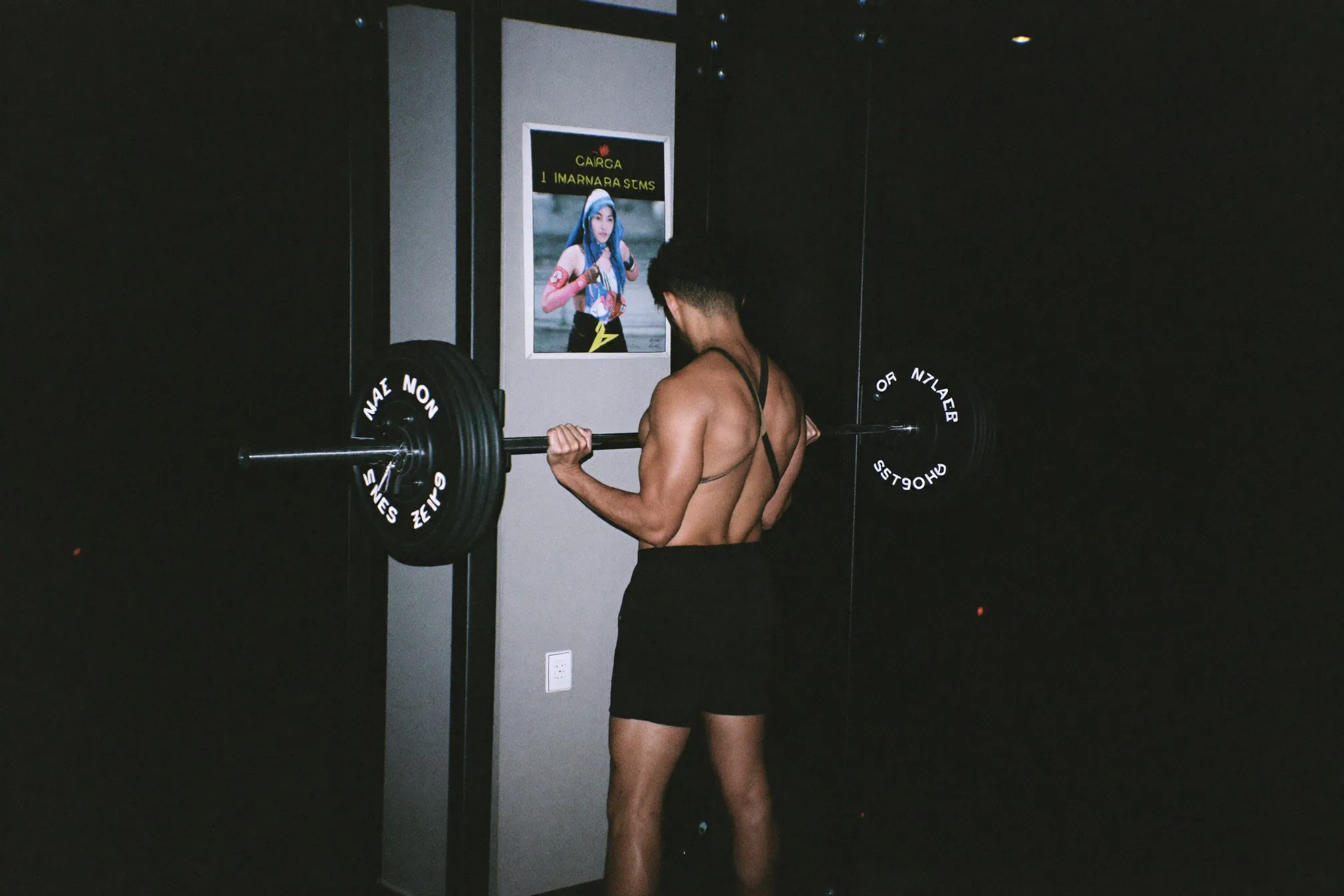
Nothing on this page is a permanent choice. A sensible year looks like three months of gym access to build the habit, a block of eight to twelve trainer sessions to fix technique, then a class a week for the parts of fitness you will never make yourself do alone. The fitness hub has the programmes that fill in the middle.
This week, run the cheap test. Book one drop-in class at the studio nearest your office and one day pass at the gym nearest home, both at the hour you would train on a normal weekday. That costs under RM120 or S$60 in total. Whichever one you are not dreading by Thursday is the one worth your money.
Quick answers
How much does a personal trainer cost in Singapore?
Roughly S$90 to S$150 for a single hour, falling to about S$70 to S$110 a session inside a ten or twenty session package. Independent trainers who rent floor space usually charge less than trainers employed by a large gym, because the gym takes a cut of every hour.
Is a gym membership or a personal trainer better for a beginner?
Buy the membership first and add eight to twelve trainer sessions once you are going consistently. A trainer teaching you to squat is wasted money if you stop showing up in week three. Prove the habit on cheap access, then pay for coaching that sticks.
Are fitness classes worth the money?
They cost three to five times a gym session and buy you a fixed time slot, a coach watching the room, and enough social pressure to turn up. Worth it if your problem is attendance. Less useful if you need your form corrected, since a room of twenty splits the coach's attention thin.
How many personal training sessions do I need?
Most beginners get what they need from eight to twelve sessions spread over two or three months. That is long enough to learn the main lifts, build a programme you can run alone, and fix the habits that cause injury. Buying forty sessions upfront rarely pays off.