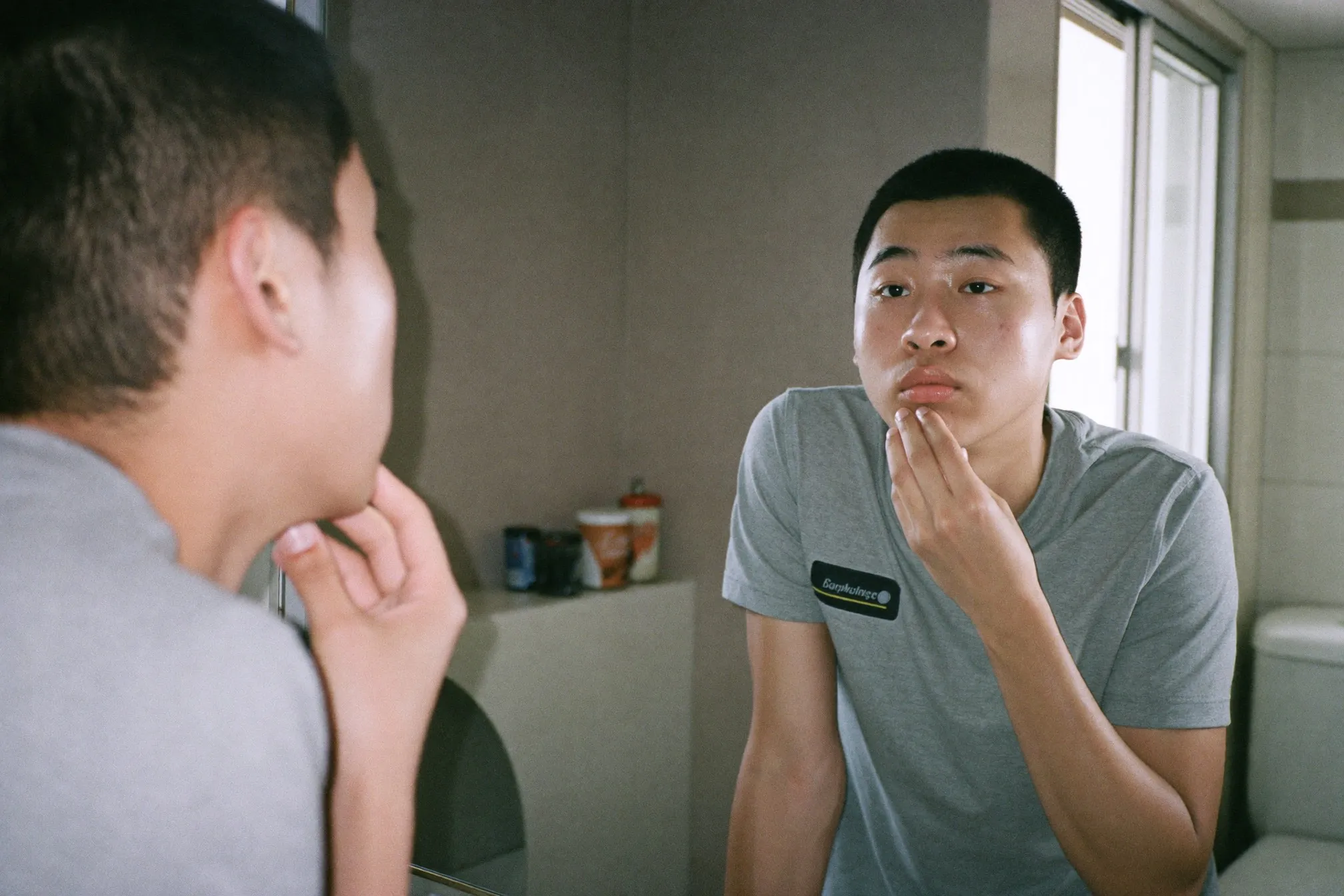
Adult acne responds to three proven over-the-counter ingredients: benzoyl peroxide, salicylic acid and adapalene, used consistently for weeks. That is the short answer, backed by the American Academy of Dermatology, and none of them requires more than a trip to Watsons or Guardian.
The longer answer matters because most men here fight acne with the wrong weapons. A harsher face wash, a hotter shower, a squeeze in the office toilet mirror. All three make it worse. Here is what to use instead, how to build a routine that survives KL humidity and Singapore gym sessions, and the point where you stop self-treating and see a doctor.
Why are you still breaking out at 28?
Acne does not retire when you finish uni. The AAD notes that acne can persist into your 30s and 40s, and can show up for the first time in adulthood. Oil production, clogged pores, bacteria and inflammation drive it at any age. If you are breaking out mid-career, you are common, not cursed.
The tropics stack the deck a little. Your skin produces oil, the humidity keeps everything damp, and sweat sits on your face from the carpark to the aircon. Add a motorbike helmet, a cap at futsal, or a backpack strap across your shoulder, and you have friction plus trapped heat on the exact spots where you break out. Dermatologists have a name for friction-and-pressure breakouts, and the fix starts with noticing what touches your face all day.
Late nights and stress do not help either, though they are easier to blame than to fix. Focus on the parts you control this week: what you put on your skin and what you wash off it.
Which acne treatments work?
Three over-the-counter ingredients have real evidence behind them, per the AAD and NHS. Benzoyl peroxide targets the bacteria behind red, angry pimples. Salicylic acid dissolves the oil plugging your pores. Adapalene, a retinoid, stops pores clogging in the first place. Match the ingredient to your kind of breakout.
| Ingredient | What it does | Best for | Watch out for |
|---|---|---|---|
| Benzoyl peroxide | Reduces acne bacteria | Red, inflamed pimples | Bleaches towels, pillowcases and dark shirts. Can dry skin. |
| Salicylic acid | Clears oil from pores | Blackheads, clogged pores, oily T-zone | Gentle and gradual. Works as a wash or leave-on. |
| Adapalene | Keeps pores from clogging | Whiteheads, recurring breakouts, long-term control | Dryness and mild irritation early on. Makes skin more sun sensitive. |
Start with one. Not all three at once, however motivated you feel on day one. Layering multiple actives on untrained skin is the classic beginner move that ends with a red, peeling face and an abandoned routine by week two.
On availability: benzoyl peroxide and salicylic acid washes and gels sit on the open shelves at Watsons, Guardian and the usual Shopee stores, generally in the RM20 to RM60 range depending on brand and size. Adapalene sits behind the counter in some markets, so ask the pharmacist. If they cannot sell it to you, a GP can prescribe it, and the consult is cheap relative to a year of guessing.
What does a routine that works look like?
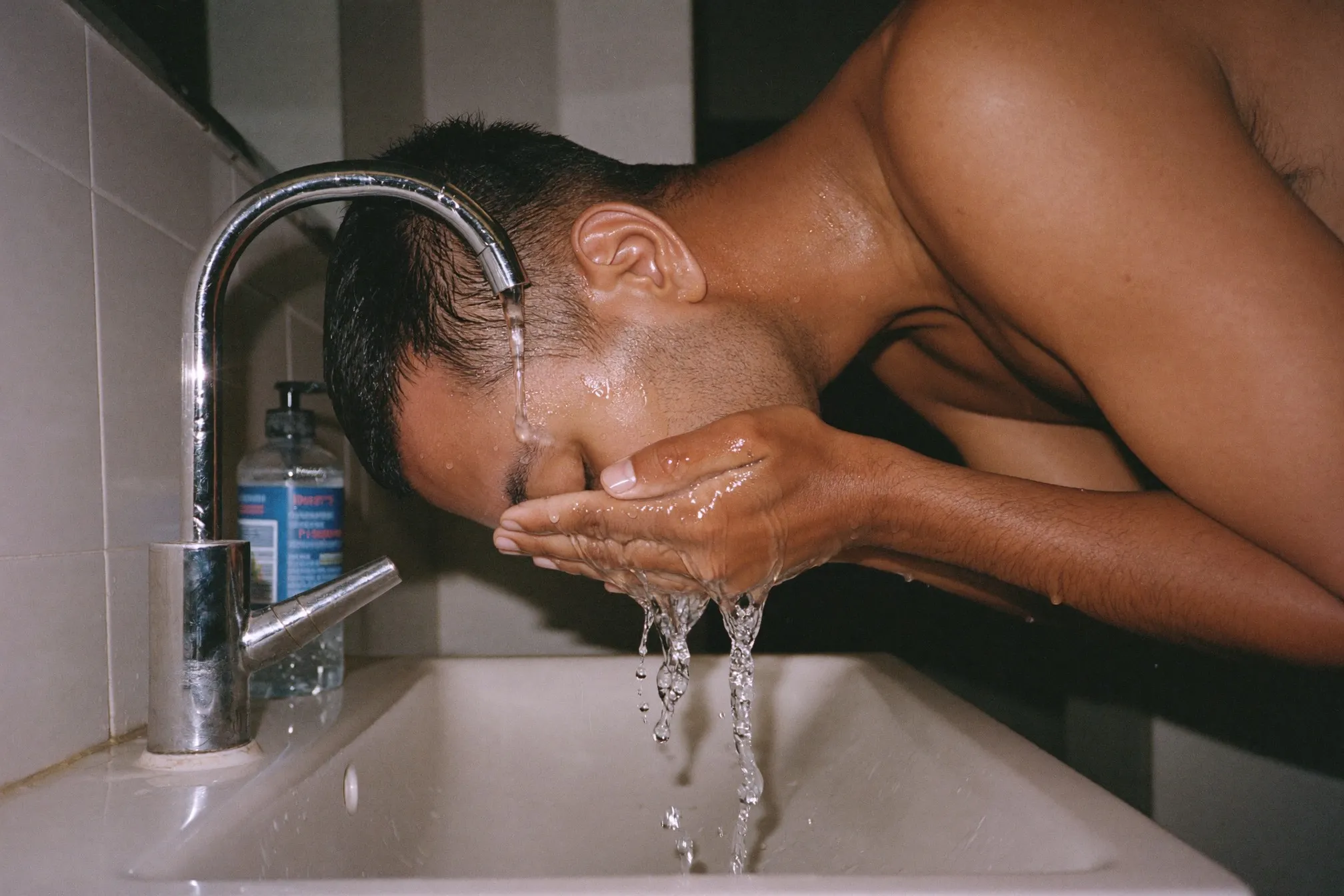
Short and boring wins. Morning: gentle cleanser, light moisturiser, sunscreen. Night: cleanser, then your one chosen treatment on dry skin. That is the whole structure, and it mirrors what dermatology bodies recommend for mild acne. The hard part is not the routine. The hard part is doing it for eight straight weeks.
Acne treatments work on the pimples you have not grown yet, which is why the AAD tells patients to give a treatment time, often a couple of months, before judging it. Most men quit at the two-week mark, right before the graph would have turned. Set a reminder for eight weeks out and do not renegotiate with yourself before then.
A few details that decide whether the routine sticks:
- Gentle cleanser means gentle. If your face feels squeaky and tight after washing, the wash is too harsh, and stripped skin often answers with more oil. Twice a day, fingertips, lukewarm water. The AAD specifically warns against scrubbing acne-prone skin.
- Yes, moisturiser, even with oily skin. Treatments dry you out, and dry, irritated skin tolerates them badly. A light gel labelled non-comedogenic does the job. Our moisturiser guide covers picks that do not feel like glue in this weather.
- Sunscreen is part of acne treatment. Adapalene and other actives raise sun sensitivity, and sun exposure darkens the marks pimples leave behind. A non-comedogenic gel sunscreen closes that loop. We wrote a full sunscreen guide for this climate if you are starting from zero.
If you have no routine at all yet, build the base first with our men’s skincare routine guide, then slot the treatment into the night step.
What makes acne worse in this climate?
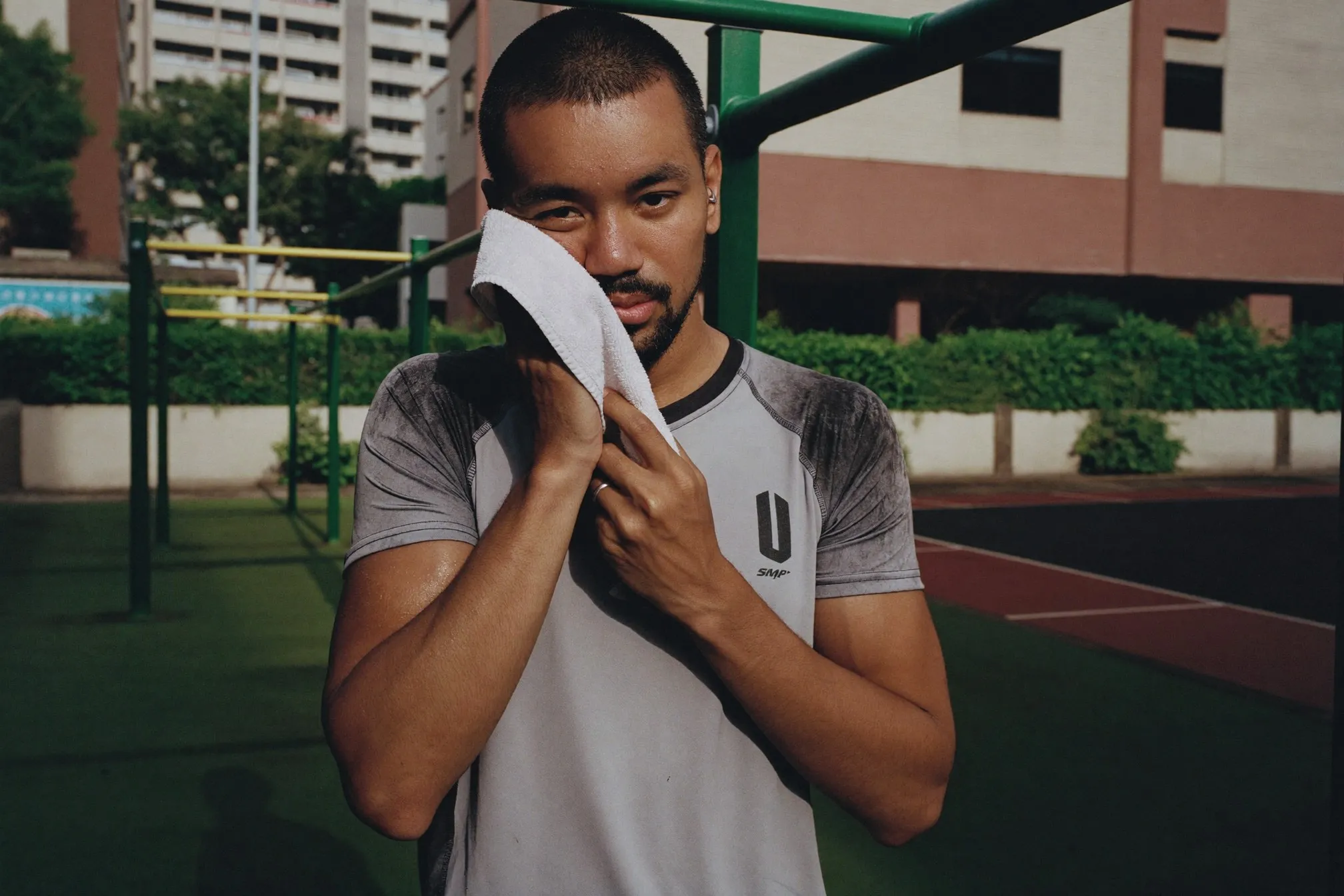
The big four: sweat left to dry on your face, friction from helmets and straps, heavy products that clog pores, and your own fingers. The AAD advises washing after heavy sweating and keeping hands off pimples. Fix those four and many “mystery” breakouts stop being mysterious.
Run the audit on your own week:
- Post-gym face. If you train at lunch and let the sweat dry through two more meetings, rinse your face before you leave the gym. Water alone beats nothing. New to training? Our gym for beginners guide covers hygiene basics alongside the lifts.
- Helmet and cap liners. Wipe the inner padding weekly. That foam holds a fortnight of sweat and oil against your forehead and jawline every ride.
- Pillowcases. Change them weekly, more often if you sleep on one side and break out on that cheek.
- Hair and beard products. Pomade along the hairline and heavy beard oils along the jaw both clog pores. Keep them off the skin or switch to lighter, water-based options.
- Popping. Squeezing pushes the blockage deeper and raises the odds of a scar or a dark mark that outlasts the pimple by months. Dermatologists are unanimous on this one. Leave it, spot-treat it, move on.
When should you see a GP or dermatologist?
Go if your acne is deep, painful and lump-like, if it is leaving scars or dark marks, or if eight to twelve weeks of consistent over-the-counter treatment has changed nothing. Mayo Clinic and the NHS both advise medical care for persistent or severe acne. Prescription options go well beyond anything on a pharmacy shelf.
This is the step men skip out of some mix of pride and inertia, and it is the expensive skip. Cystic acne rarely responds to pharmacy products, and every month of waiting is another month of potential scarring. Scars are far harder to treat than the acne that caused them, so prevention is the whole game.
Practically: in Malaysia, start with a GP at a neighbourhood clinic, who can prescribe first-line treatments or refer you onward. In Singapore, a polyclinic visit gets you a subsidised referral to a dermatologist if you need one, or you can book a private derm directly and skip the queue. Either way, bring a list of what you have already tried and for how long. It shortens the consultation and gets you past the basics faster.
One boundary worth stating: nothing in this article replaces a doctor who can see your actual face. If something on your skin worries you beyond regular pimples, get it looked at.
Start with one product tonight
Pick your main problem. Red and inflamed: benzoyl peroxide. Clogged and bumpy: salicylic acid, and ask the pharmacist about adapalene for the long game. Buy the one product at Watsons or Guardian this week, use it every night, and put an “acne check-in” reminder in your calendar for eight weeks from today. If the skin is no better by then, book the GP. That is the entire plan, and it beats another year of squeezing and hoping.
Quick answers
Does adult acne go away on its own?
Sometimes, but there is no schedule you can count on. The American Academy of Dermatology notes acne can continue well into your 30s and 40s, and can start in adulthood. Treating it early with a proven ingredient beats waiting it out, and lowers the odds of scarring.
What gets rid of a pimple fast?
Nothing safe works overnight. A benzoyl peroxide spot treatment can shrink a pimple over a few days, and dermatologists advise leaving it alone otherwise. Squeezing pushes the blockage deeper, which tends to mean a longer-lived pimple and a higher chance of a permanent mark.
Does sweat cause acne?
Sweat on its own is not the villain, but sweat left to sit under a helmet strap, cap or gym shirt can aggravate breakouts. The AAD recommends washing your face after heavy sweating. In this climate that means a quick rinse after the commute or the gym, not a harder scrub at night.
When should I see a doctor about acne?
See a GP or dermatologist if pimples are deep and painful, if you are developing scars or dark marks, or if a consistent over-the-counter routine has not improved things after about three months. Prescription treatments exist that pharmacy shelves cannot match, and doctors hand them out routinely.