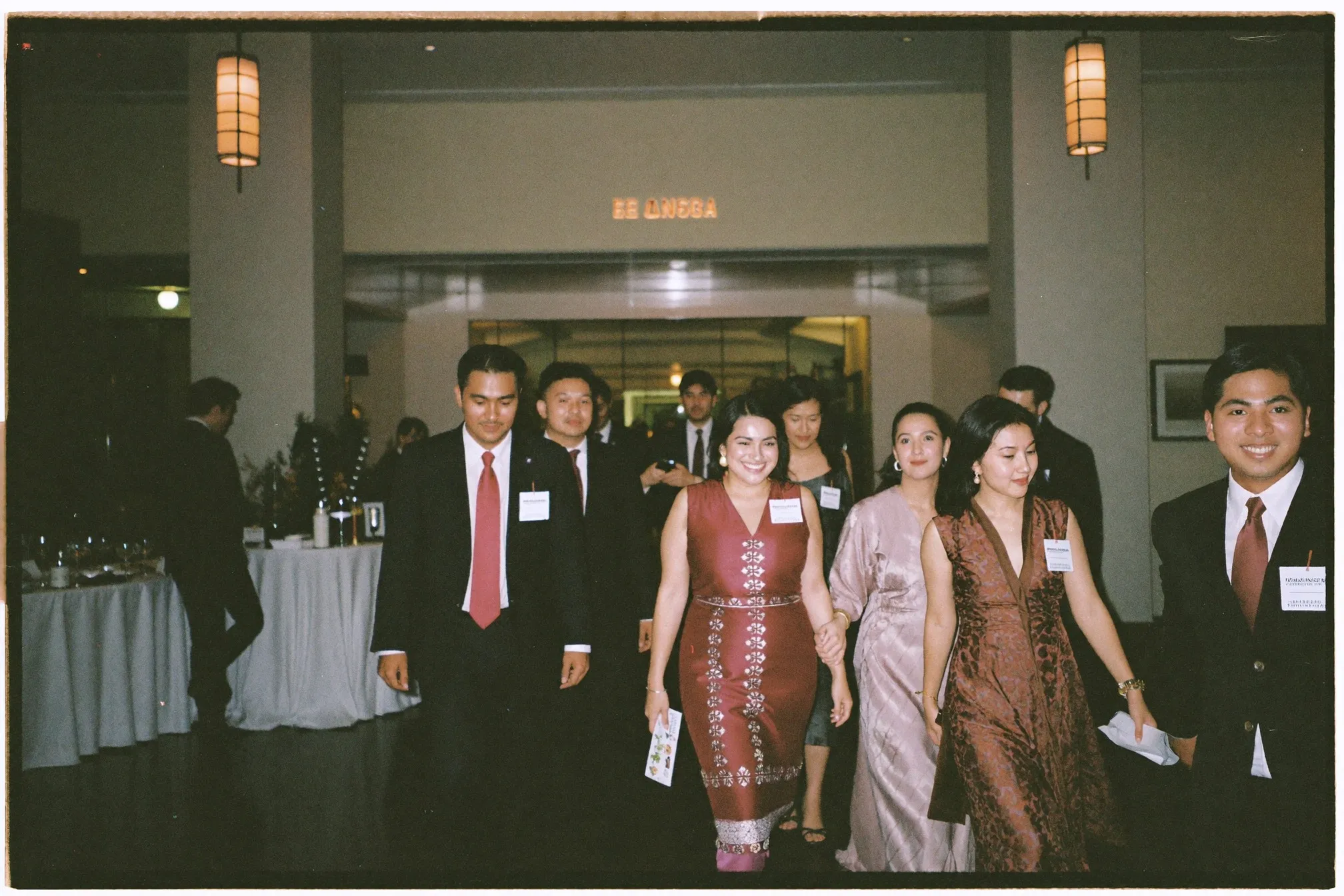
Singapore weddings run on one brutal number and everyone knows it: the per-table cost of the banquet, which is why ang bao rates here are practically a public index. Get the money right, dress for the venue, and everything else is showing up on time and toasting enthusiastically. This guide covers the full circuit: solemnisation, hotel banquet, restaurant dinner, and your tour of duty as a groomsman.
Malaysia plays by different rules, and we wrote that guide separately, because the Causeway divides more than currencies.
How much ang bao, exactly?
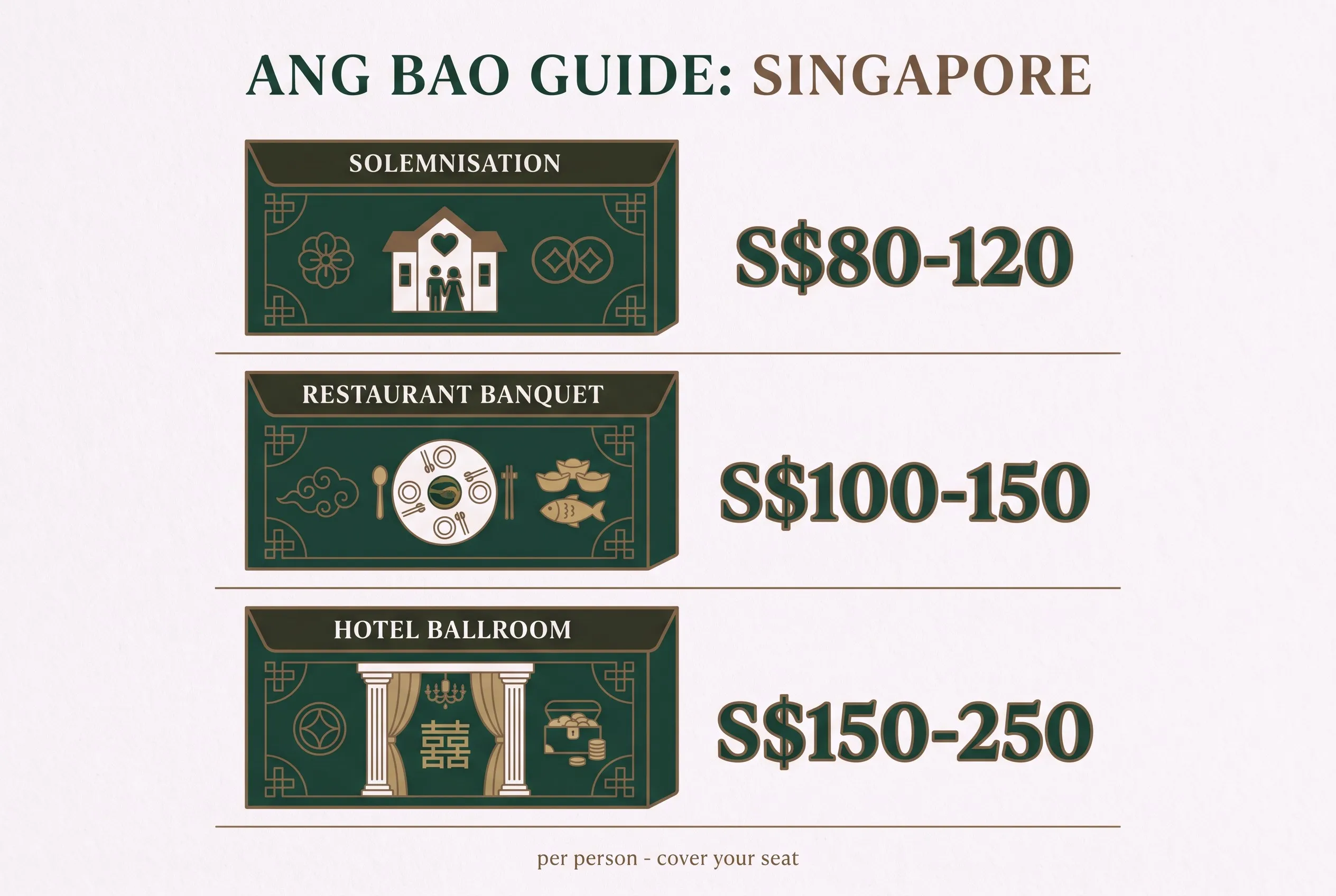
Work from the venue, then adjust for relationship. The logic is cost-covering: your red packet should roughly cover what your seat costs the couple, and Singapore couples pay some of the region’s highest banquet prices.
| Venue / format | Ang bao (per person) | Notes |
|---|---|---|
| Solemnisation only (ROM) | S$80–120 | No seat to cover; token of blessing |
| Restaurant banquet | S$100–150 | Weekday and lunch at the lower end |
| Hotel ballroom | S$150–250 | Saturday dinner at a top hotel = top of range |
| Very close friend / family | Above rates + closeness premium | Round numbers with 8 land well |
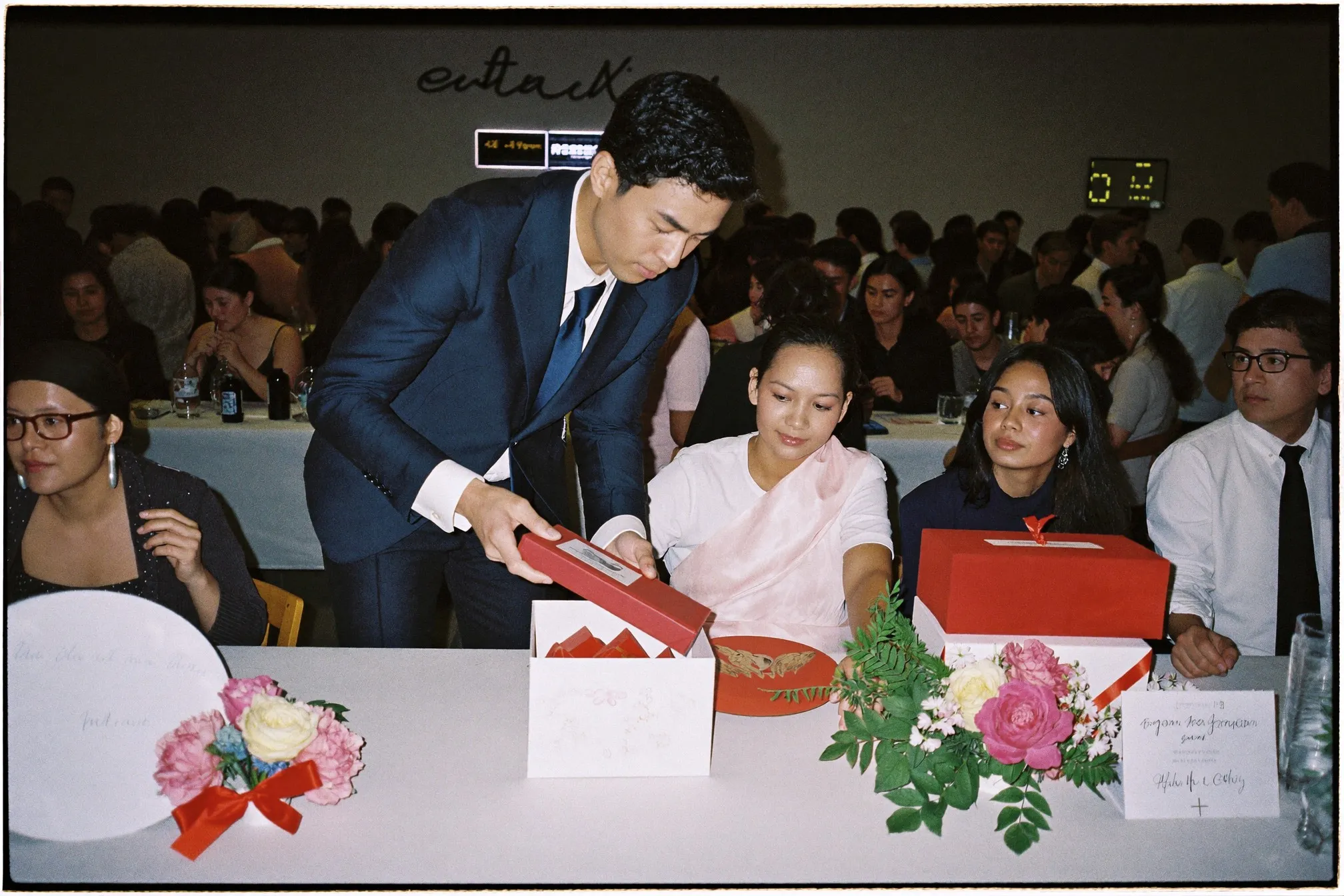
Mechanics: crisp notes, red packet, both hands at the reception table, name written on the back so the couple’s ledger reconciles. Avoid amounts with 4. Bringing a partner means two seats, so double it. The deeper math, including when you attend multiple events for one couple, lives in our ang bao guide.
Solemnisation vs banquet: what are you actually attending?
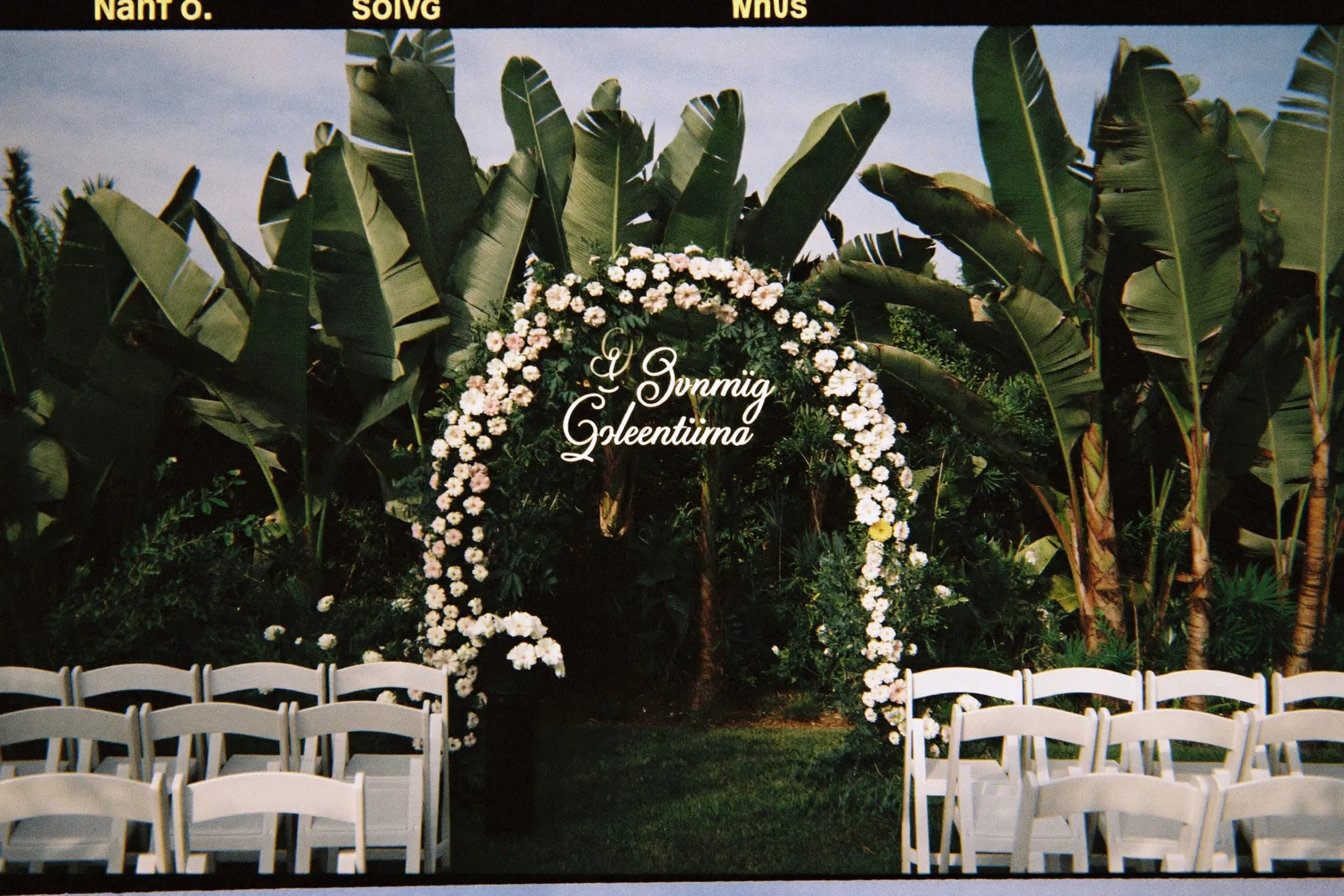
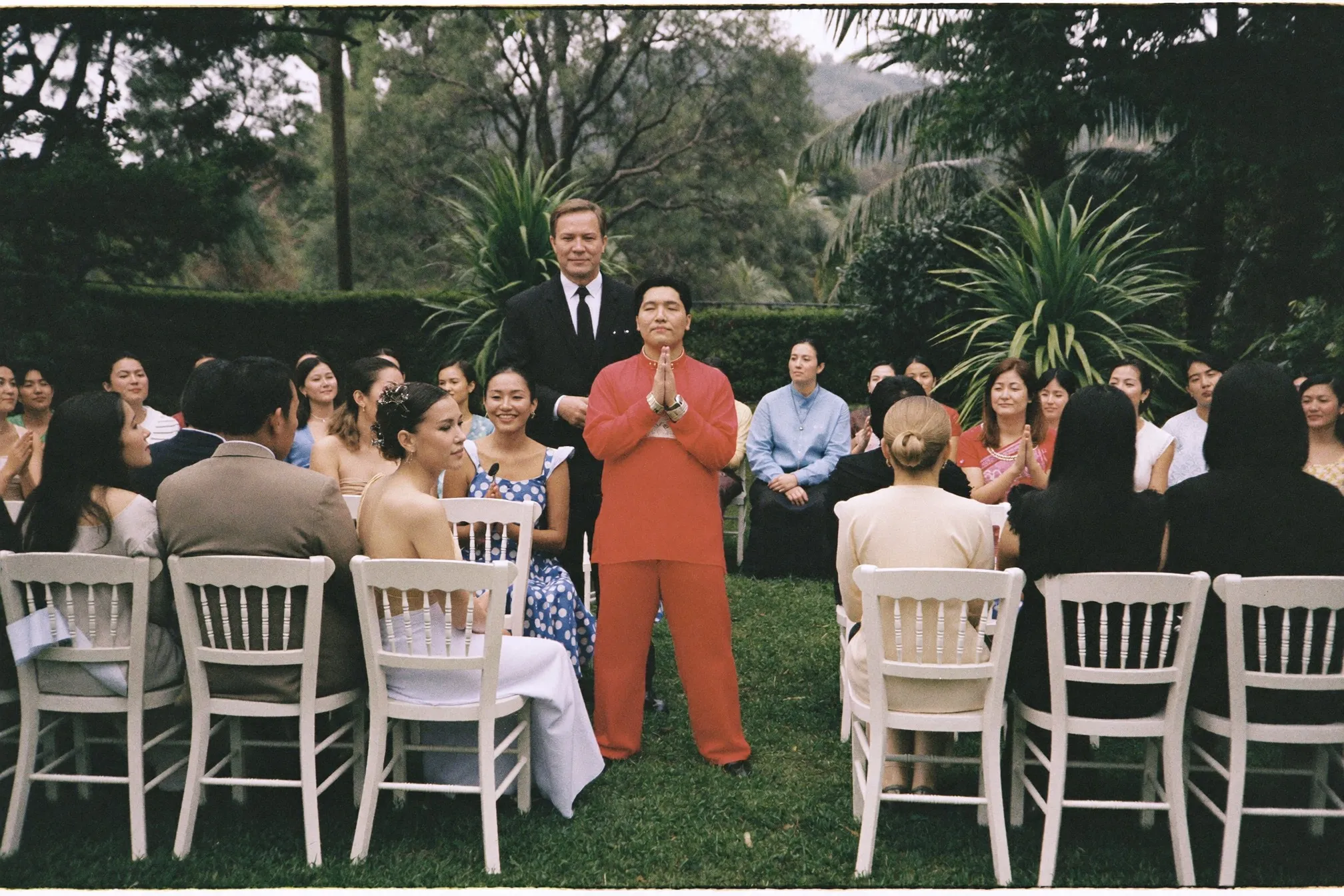
Singapore splits the legal ceremony from the feast, sometimes by hours, sometimes by a year. The solemnisation is the vows before a solemniser, at a garden, restaurant, hotel or someone’s HDB void deck done beautifully; it’s intimate, short, and being invited means you matter. Arrive fifteen minutes early, phone silent, and let the hired photographer own the aisle.
The banquet is the production: cocktail reception, grand entrance, eight courses, two outfit changes, a montage video, and the yam seng toasts that get progressively less self-conscious. The 7:30pm on the card is a soft open; dinner truly starts around 8:30pm. Come at 7:30 anyway, because that’s when you greet the couple and their parents like a civilised person, and the early photo queue is shortest.
Church weddings add a morning service where the banquet rules of quiet phones and modest dress apply doubled; Malay and Indian weddings in Singapore follow the same beautiful formats as across the Causeway, with S$ packets.
What do you wear to each format?
Venue decides, aircon permits more than the weather suggests. Ballrooms are freezing, so the blazer earns its place; outdoor solemnisations are not, so linen wins. The complete outfit-building method is in our wedding attire and capsule wardrobe guides; the venue summary:
- Hotel ballroom: blazer minimum, suit never wrong, tie optional. Dark trousers, proper shoes, and our smart casual rules do not apply here, this is a level up.
- Restaurant banquet: pressed shirt, trousers, loafers; blazer if the couple’s crowd runs formal.
- Garden/beach solemnisation: linen-blend shirt, chinos, loafers, sunscreen. A suit at a 4pm outdoor Sentosa ceremony is a slow-motion accident.
- Colour rules: avoid full white (bridal) and full black (funeral association among older guests); one dark garment is fine, head-to-toe is the miss.
What does gatecrashing duty involve?
If you’re a groomsman, you are the morning entertainment and the logistics corps. The gatecrash: the groom’s party arrives at the bride’s home and her bridesmaids extract forfeits, the sour-spicy-bitter-sweet gauntlet, push-ups in the corridor, ransom ang baos at the door, before the groom earns entry. Your job is to be game, funny and organised, take the punishment gracefully, and have small ang baos ready for negotiation.
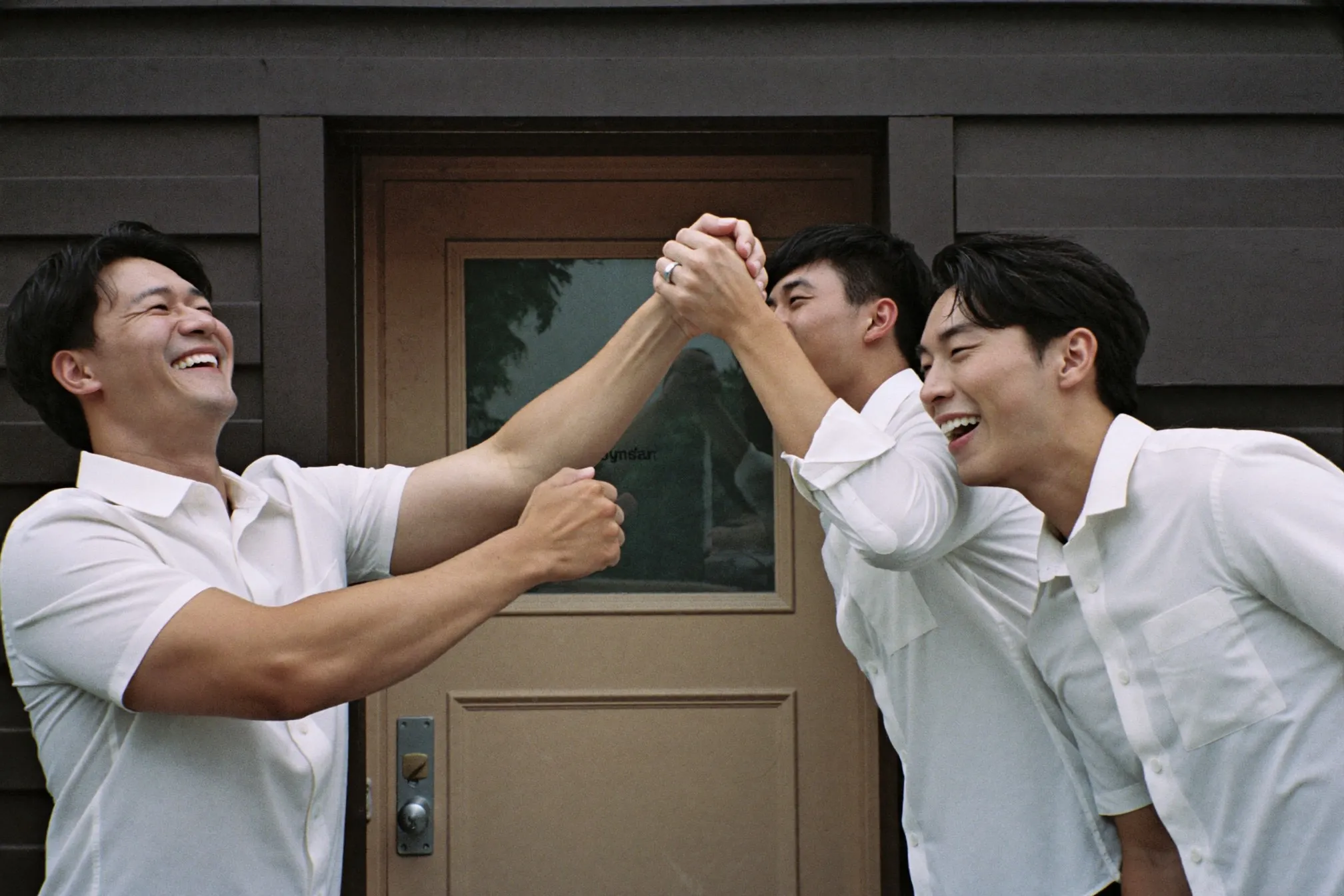
The rest of the day you run tea ceremony logistics, transport timing, and the banquet’s backstage: reception table shifts, ang bao box custody (take this seriously, it holds five figures), and herding uncles to seats. Confirm outfits a month early, split shared costs transparently, and eat when you can. It’s the best seat at the wedding and the most work; that’s the deal.
What does a wedding actually cost you as a guest?
Budget the full stack, not just the packet. A Saturday hotel banquet as a plus-two costs a couple S$300 to S$500 in ang bao alone, and the year’s total sneaks up: five weddings is easily S$800 to S$1,200 before transport and grooming. Treat wedding season like a bill, a standing S$50 to S$100 monthly transfer into an “occasions” pocket, and no invitation ever collides with rent again. Our savings guide covers the mechanics.
The one-time costs are front-loaded and reusable: the blazer that fits (alter what you own before buying), proper shoes, and the grooming baseline. After that, each wedding costs the packet, a pressed shirt and a Grab.
Your guest timeline, so nothing is ever last-minute:
| When | Do |
|---|---|
| On invite | RSVP within a week; note dress code and venue type |
| 2 weeks out | Confirm outfit works; tailoring run if not |
| 1 week out | Withdraw crisp notes; buy red packet if needed |
| 2 days out | Haircut window closes (never day-before) |
| Day itself | Packet in jacket pocket, name on the back, arrive 7:30 |
Grooms-to-be reading this from the other side of the ledger: the same maths explains why your guests’ packets matter, and why the couple who made attending easy, clear dress code, accurate timings, good seating, gets remembered as good hosts.
Banquet behaviour that gets you invited to the next one
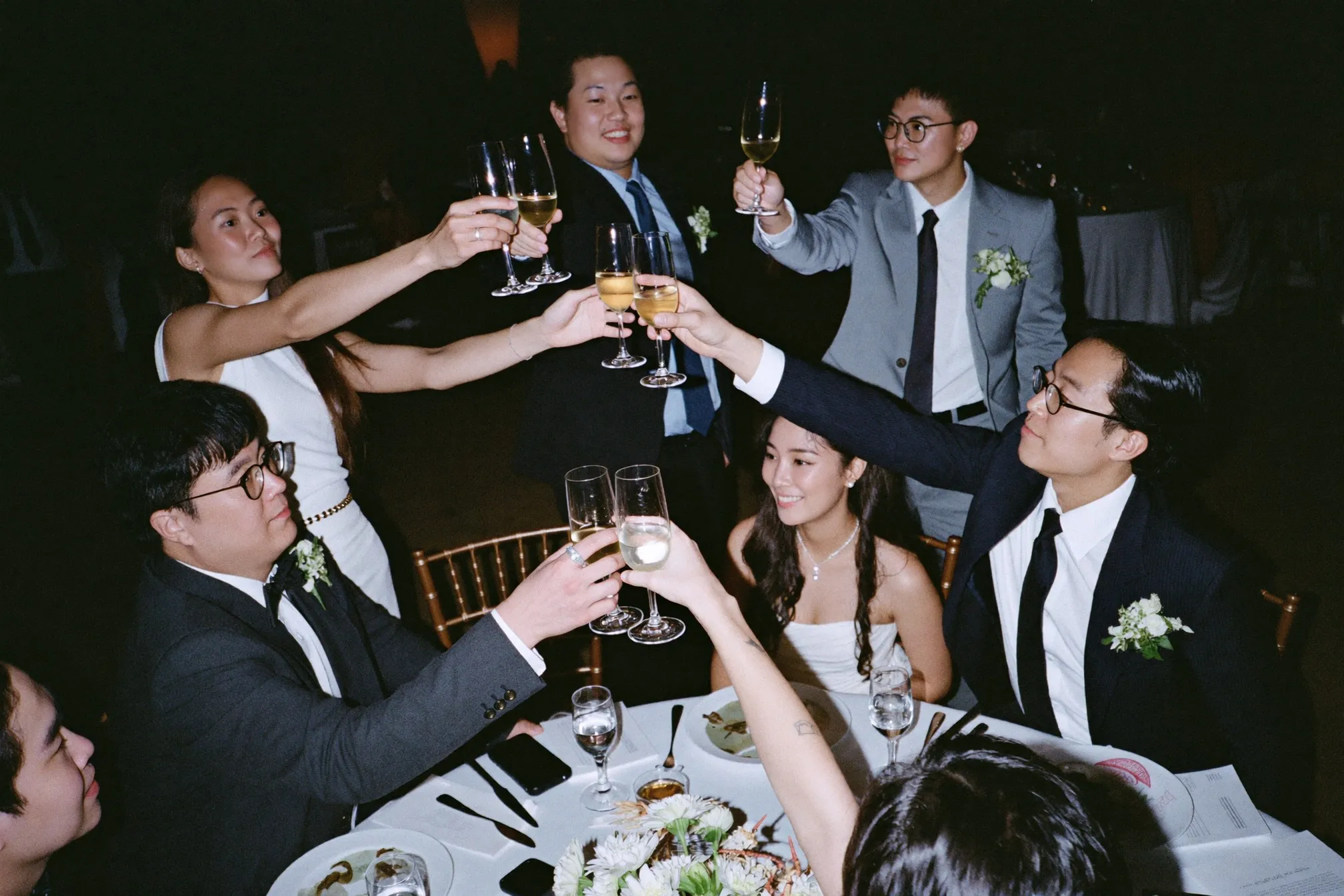
Sign in, packet in the box, find your table number before the lights drop. Stand for both march-ins and every yam seng; the last toast is a participation sport, sixty seconds of sustained roaring, and holding back reads worse than overdoing it. Talk to your assigned table even if you know nobody, because the couple curated that seating and mixed-table charm is the guest skill.
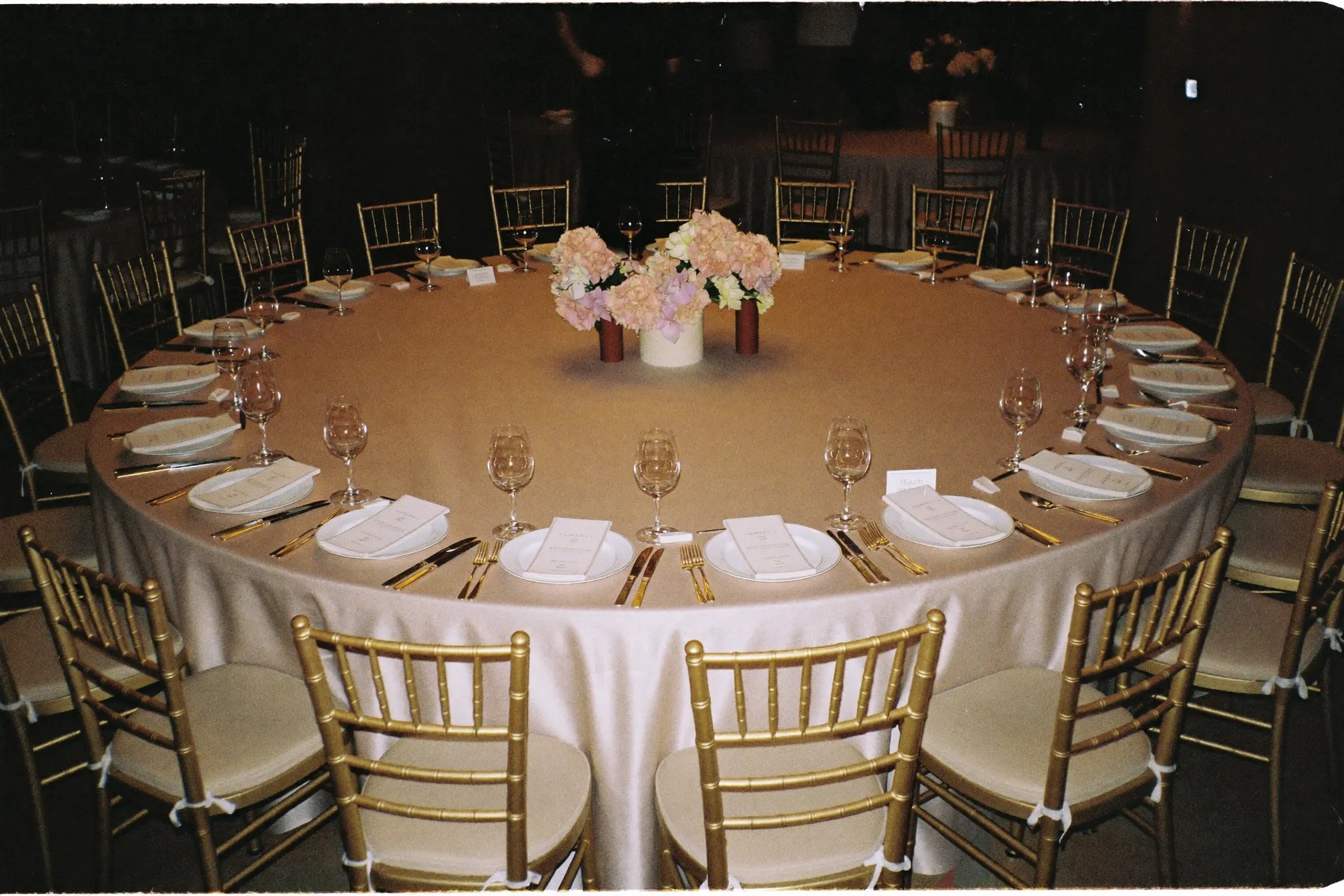
Pace the courses, the abalone arrives later than your patience expects. When the couple reaches your table for the toast, that’s your window for the genuine congratulations and one good photo. Leave after dessert and the send-off line, never before, and WhatsApp your best shot of the couple to them the next morning instead of posting fourteen to Instagram overnight.
Decline-with-ang-bao is always available when you genuinely can’t make it: early RSVP no, packet at half to two-thirds rate via a mutual friend. Seats are money here; honesty about attendance is the courtesy that counts.
That invite in your calendar for next month: check the venue, set the packet aside this payday, and book the blazer alteration this week. Singapore weddings reward the organised.
Quick answers
How much ang bao should you give at a Singapore wedding?
Cover your seat, then adjust for closeness. Current market reality: roughly S$100 to S$150 for restaurant banquets, S$150 to S$250 for hotel ballrooms, with five-star Saturday dinners at the top of that range. Lunch banquets and solemnisation-only invites run lower, around S$80 to S$120.
What should a man wear to a Singapore wedding?
Hotel banquet: blazer or suit, no tie required. Restaurant banquet: shirt, trousers, loafers, blazer optional. Garden or beach solemnisation: linen shirt and chinos beat a sweated-through suit. Avoid all-white and all-black outfits, and never jeans at a ballroom.
Do you give ang bao if you only attend the solemnisation?
Yes, but smaller than banquet rates, since there is no seat to cover: S$80 to S$120 is typical for a solemnisation with reception bites, less if it is a short ceremony only. If you attend both solemnisation and banquet, one combined ang bao at banquet rate is standard.
Can you skip a Singapore wedding and just send ang bao?
Yes, and done properly it is completely acceptable: decline the RSVP early so your seat is freed, then pass an ang bao of roughly half to two-thirds the attending rate through a mutual friend or the couple directly. What offends is the silent no-show at a paid seat.