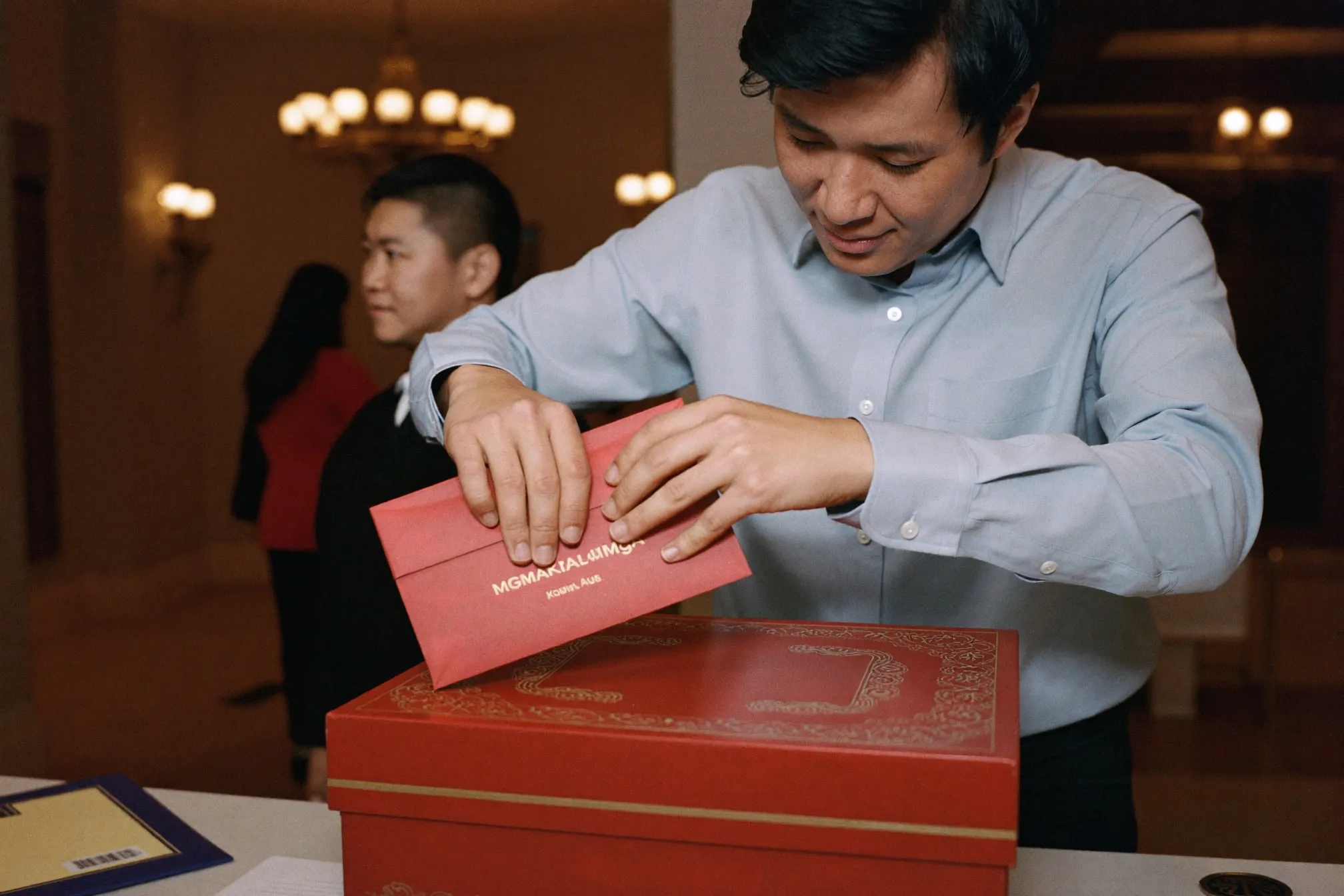
For a Chinese wedding dinner, the working angpow rate is RM150 to RM250 at a Malaysian hotel, RM100 to RM200 at a Chinese restaurant, S$150 to S$250 for a Singapore hotel ballroom and S$100 to S$150 for a restaurant. Cover the cost of your seat, then adjust upward for how close you are to the couple.
Nobody publishes an official rate card, which is why the same question circulates in every group chat from PJ to Tampines the week before a banquet. The maths behind the numbers is consistent, though. Learn it once and you can price any invite in under a minute, including the Malay and Indian weddings your Chinese-wedding logic does not cover.
How do you calculate a wedding angpow?
Start with what your seat costs the couple, then add for closeness. Banquets are priced per table of ten, so the venue’s per-table price divided by ten is your floor. Acquaintance or colleague: stay at the floor. Good friend: add RM50 to RM100, or about S$50. Close friend or family: go higher, no ceiling.
The principle is called covering your plate, and it exists because banquet economics are brutal. The couple committed to those tables months ago, and most weddings lose money even when every guest pays their share. Your angpow is not a ticket price, but it is the difference between a celebration and a debt.
A few adjustments people forget. Weekend dinners and auspicious dates cost the couple more than a Tuesday lunch, so weekend rates sit at the top of each range. A lunch banquet runs cheaper than dinner; knock 20 to 30 percent off. And a plus-one is not a discount scheme. If you bring someone, you double the packet, because the couple paid for two seats.
Reciprocity overrides all of it. If the couple attended your wedding, dig out your gift log, match what they gave, and nudge it upward because banquet prices have climbed since then. Couples keep these spreadsheets. So should you.
What are the going angpow rates by venue?
The venue on the invite tells you most of what you need. Hotels cost more than restaurants, Singapore costs more than Malaysia, and five-star ballrooms on a Saturday sit at the top of everything. These ranges hold for one guest at dinner; adjust down for lunch and up for closeness.
| Venue | Malaysia | Singapore |
|---|---|---|
| Five-star hotel ballroom | RM200-300 | S$200-250 |
| Mid-range hotel | RM150-250 | S$150-200 |
| Chinese restaurant | RM100-200 | S$100-150 |
| Community hall or kampung-style dinner | RM50-100 | S$80-120 |
| Lunch at any of the above | take 20-30% off | take 20-30% off |
Treat these as this year’s floor, not a permanent truth. Banquet prices rise most years and the polite rate rises with them. If the invite names a venue you cannot place, search the venue’s wedding package price, or ask the group chat doing the same calculation you are. When two numbers feel defensible, give the higher one. Nobody has ever been resented for rounding up.
What about Malay and Indian weddings?
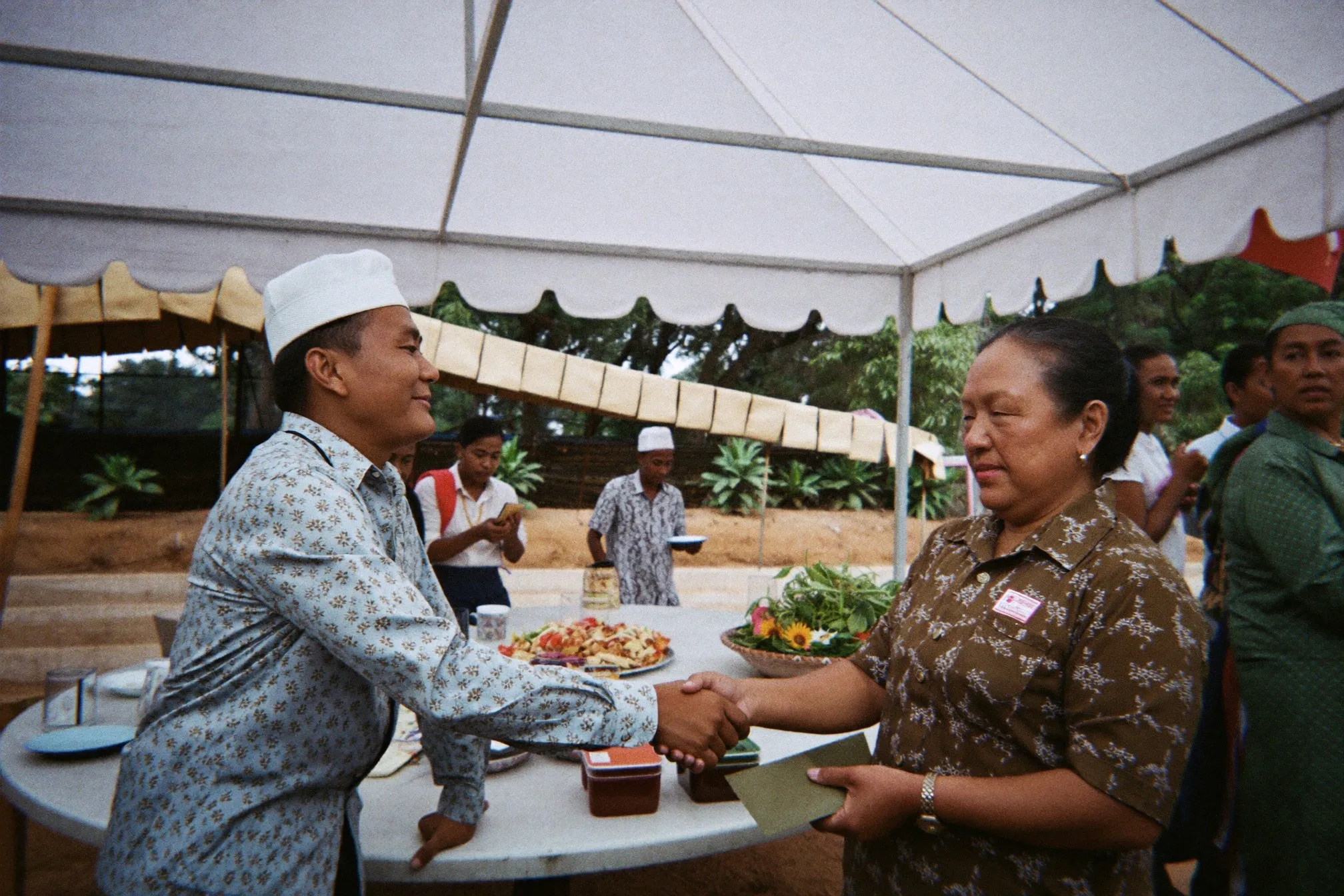
Different events, different maths. A Malay kenduri gift runs RM20 to RM50 for a colleague or neighbour and RM50 to RM150 for a close friend, handed over in a plain or green envelope. Indian weddings favour amounts ending in one, RM101 or S$101, because the extra unit signifies a blessing that continues.
The kenduri works on open-house economics. The family feeds hundreds of guests across an afternoon, often at a community hall, a void deck or the family home, and there is no per-plate figure to cover. Your envelope is a contribution, not a reimbursement. In Singapore the equivalent range is about S$20 to S$50 for the salam line, more if the groom is your close friend. Any clean envelope works. Green packets left over from Raya are common and nobody minds. Hand it to the parents or the couple when you salam, not into a box, because there usually is no box.
Indian weddings vary by community, so watch the room and follow it. The constants: cash in an envelope, given at the registration desk or to the couple with both hands, in an amount ending in one. If the ceremony is at a temple, dress modestly and remove your shoes where everyone else does. When in doubt about anything, ask a friend inside the community rather than guessing.
Which numbers work and which insult?
Chinese weddings take even numbers. Four sounds like death in Cantonese and Mandarin, so RM140 and S$240 are out no matter how neatly they fit your budget. Eight sounds like prosperity, which is why RM188, S$168 and S$288 appear so often. Odd totals read as funeral money, the one error worse than giving too little.
This is the cheapest part of the whole exercise to get right. Moving from RM140 to RM150 costs you ten ringgit and spares the couple’s grandmother a small heart attack when the spreadsheet gets reviewed. Notes should be crisp, never coins, and a single denomination looks more deliberate than a stack of mixed notes scraped from your wallet at the hotel entrance.
The rule flips at Indian weddings, where the auspicious amount ends in one. And it disappears at Malay weddings, where no numerology applies and a sincere round figure does the job.
What if you cannot attend, or money is tight?
Skipping the wedding does not zero the obligation if the couple matters to you. Send about half the attending rate, or a token RM50 or S$50 with a proper message. Accepted the invite and then no-showed? Send the full plate cost, because your empty seat was paid for either way.
The broke years get a genuine discount. Couples know what a fresh grad earns, and a RM100 packet from a 24-year-old carries the same weight as RM250 from someone five years into their career. Presence counts for more than the figure. If wedding season lands in the same quarter as a room deposit, and in this region it will, triage without guilt; the couple does not want your rental deposit.
Group packets are legitimate too. A department chipping in RM50 each into one envelope is standard office practice. List every name on the packet or the accompanying card, because the couple’s log needs to know who to reciprocate.
How do you hand it over without fumbling?
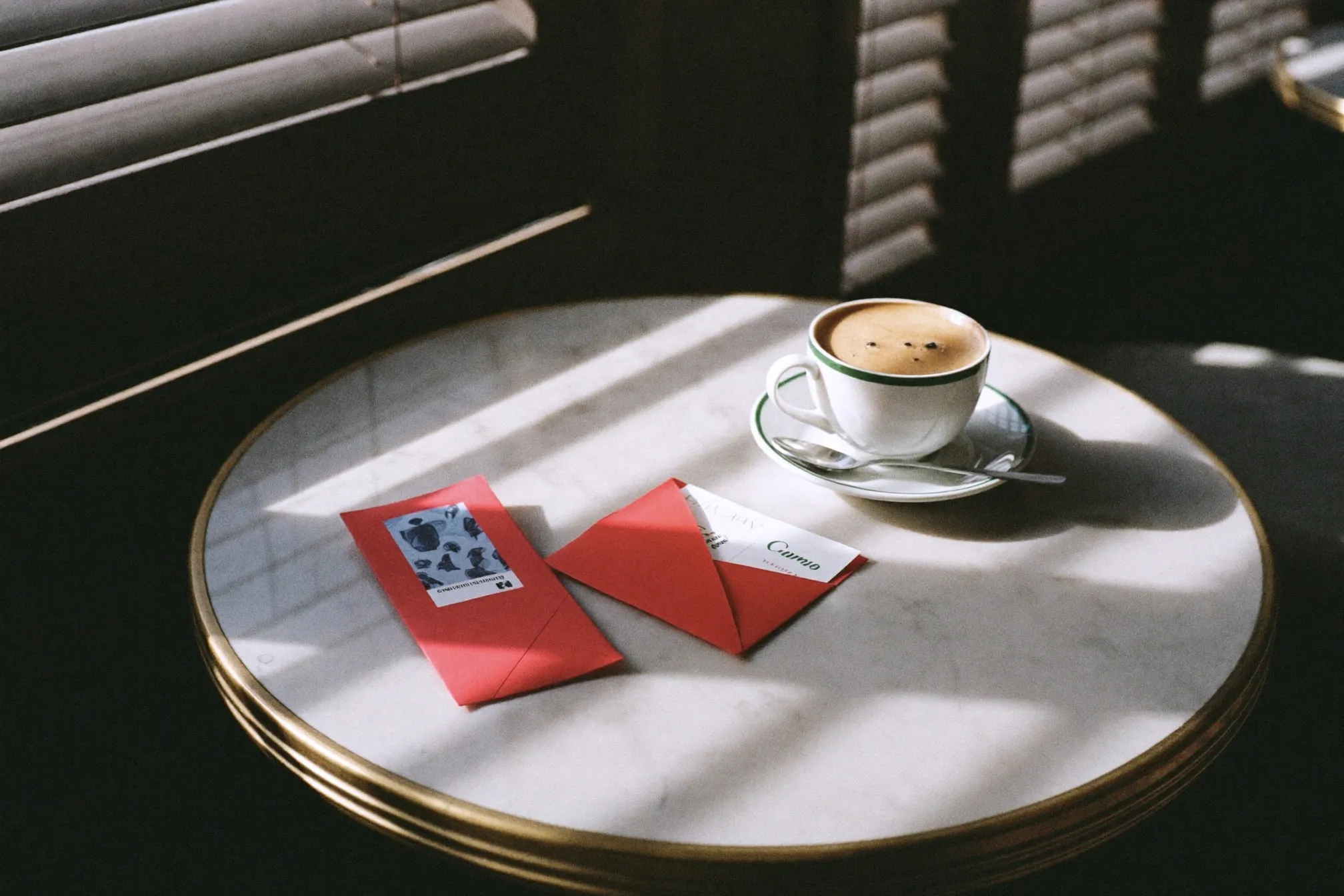
The angpow goes into the box at the reception desk when you arrive, or to whoever sits behind the guest book. Write your name on the back of the packet first. Do not hand it to the groom during the yum seng, and do not pass it to a parent unless the parent is manning the desk.
The name matters more than people think. The couple logs every packet after the wedding, and an anonymous RM250 becomes a small forensic mystery that someone’s aunty will attempt to solve. Write legibly, add your plus-one’s name if there is one, and the ledger stays clean.
Prepare the physical object properly. Withdraw crisp notes a few days ahead rather than gambling on the hotel lobby ATM. Plain red packets sell at any bookstore or come free from your bank; keep a pack at home and stop buying them in a panic. At Singapore weddings a PayNow QR on the invite is increasingly normal, and DuitNow appears at Malaysian ones. Digital is fine when offered. Put your full name in the transfer reference, because “wedding gift” from an unrecognised number defeats the entire ledger.
Your next invite is sitting in your chat history now. Open it tonight, note the venue and the day of the week, set your number from the table above, and get the crisp notes by Friday. Then sort out what you are wearing, which has its own rules, starting with smart casual done properly. The rest of adult life admin lives in Life.
Quick answers
How much angpow should I give at a Malaysian wedding dinner?
Cover your seat first. For a hotel banquet, RM150 to RM250 per person is the working range; a Chinese restaurant runs RM100 to RM200. Add RM50 to RM100 if you are close to the couple, and double the figure if you bring a plus-one.
What is the wedding ang bao rate in Singapore?
Restaurant dinners sit around S$100 to S$150 per guest and hotel ballrooms S$150 to S$250, with five-star weekend dinners at the top of the range. Rates drift upward every year, so ask the group chat if the venue looks expensive, and round up when unsure.
Do I still give angpow if I cannot attend the wedding?
Yes, if you are close to the couple. Half the attending rate, or a token RM50 or S$50 with a proper congratulations message, covers it. If you accepted the invite and then no-showed, send the full plate cost, because the couple already paid for your seat.
What numbers should I avoid in a wedding angpow?
At Chinese weddings, give even amounts and avoid anything with a four, which sounds like death in Cantonese and Mandarin. Eight signals prosperity, so RM188 or S$288 reads well. Indian weddings flip the rule and favour amounts ending in one, such as RM101. Malay weddings carry no numerology.