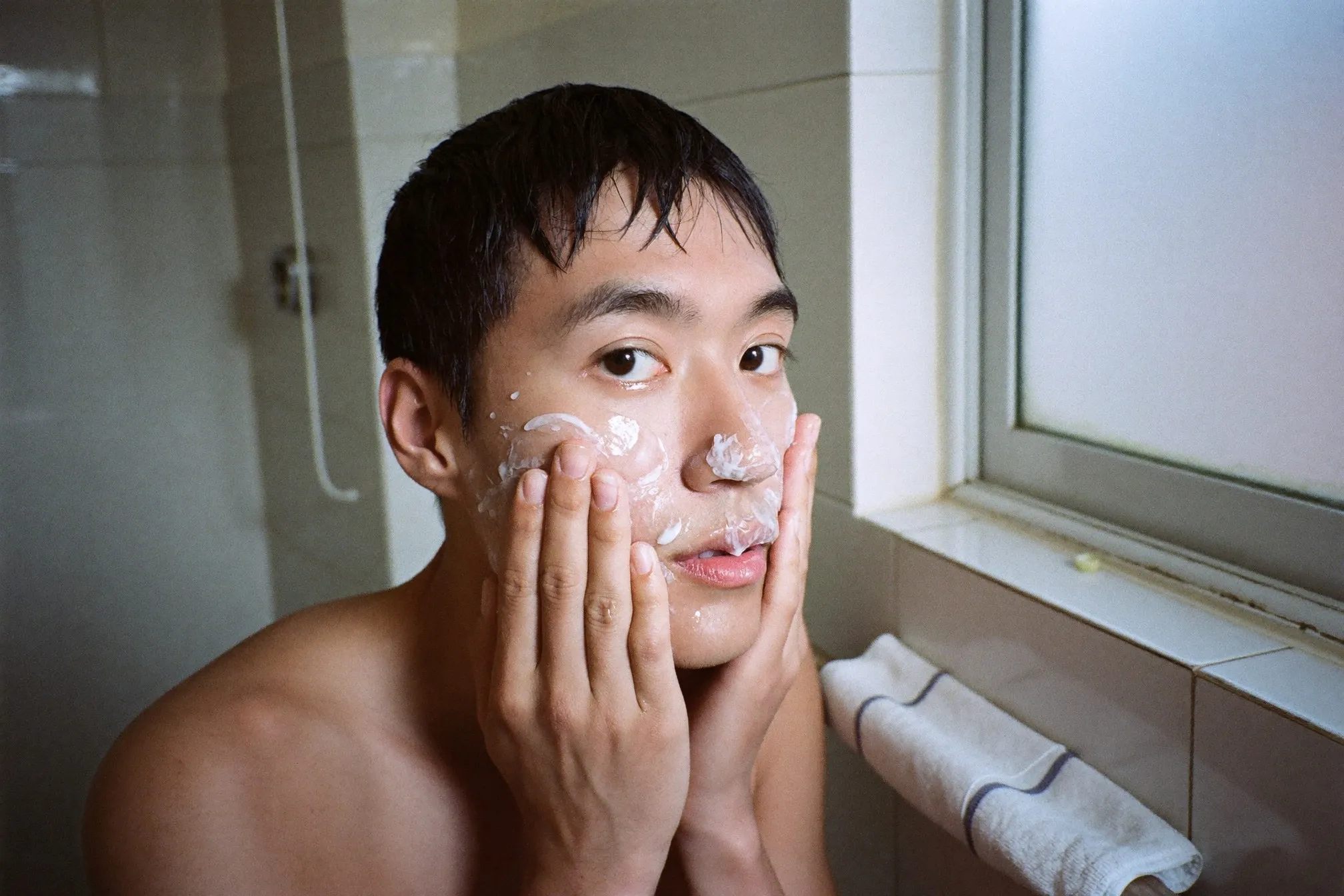
Korean skincare works for men because of three habits, not ten steps: wash gently, hydrate in light layers, and wear sunscreen every day. Copy those and you have most of the benefit. The rest of what you have seen on YouTube is shopping.
The gap between the marketing and the practice is wide. Plenty of men in Seoul use four products and get on with their day. What Korean brands genuinely do better is texture. Their gels, watery lotions and fluid sunscreens are built for humid summers, which happens to be the exact problem your face has in Kuala Lumpur or Singapore all year round.
What is Korean skincare, and why do men keep hearing about it?
Korean skincare, or K-beauty, describes a product culture built around hydration, mild formulas and fast reformulation. It reached men here through Korean hairstyles and drama culture first, then the products followed. The practical appeal: lightweight textures at low prices, sold in every Watsons in the country.
Korean brands compete on formulation speed. A texture that works in Seoul’s August humidity shows up on shelves within a season, and the domestic market is crowded enough that mid-range prices stay honest. Sunscreen is the clearest example. SPF50+ PA++++ in a fluid that disappears in ten seconds has been standard there for years, while plenty of Western brands still sell thick white cream at twice the price.
The other thing Korean skincare gets right is tone. Skincare is treated as maintenance rather than vanity, closer to brushing your teeth than to a hobby. That framing removes the awkwardness a lot of men in MY and SG still feel walking down the skincare aisle.
Is the 10-step Korean skincare routine worth it?
No. The 10-step sequence was a retail and beauty-press invention that spread around 2014, and it exists to sell ten products. Most of the steps duplicate each other. Here is what survives contact with a real weekday morning.
| Step | What it claims to do | Verdict for men here |
|---|---|---|
| Oil cleanser | Dissolves sunscreen and sebum | Keep, nights you wore sunscreen |
| Foam cleanser | Removes sweat and grime | Keep, once or twice a day |
| Exfoliator | Clears dead skin | Keep, once or twice a week |
| Toner | Rehydrates after cleansing | Keep if it is a hydrating one |
| Essence | Watery hydration layer | Optional, overlaps with toner |
| Serum or ampoule | Targets one concern | Keep one, if you have a concern |
| Sheet mask | Ten minutes of occlusion | Skip, or treat as a treat |
| Eye cream | Hydrates thin under-eye skin | Optional, your moisturiser reaches there |
| Moisturiser | Seals everything in | Keep, non-negotiable |
| Sunscreen | Prevents the damage | Keep, the most important item |
Count the keeps and you get four daily products plus a weekly exfoliant. That is a routine, and it costs under RM200 to assemble from scratch. Ten steps is a collection.
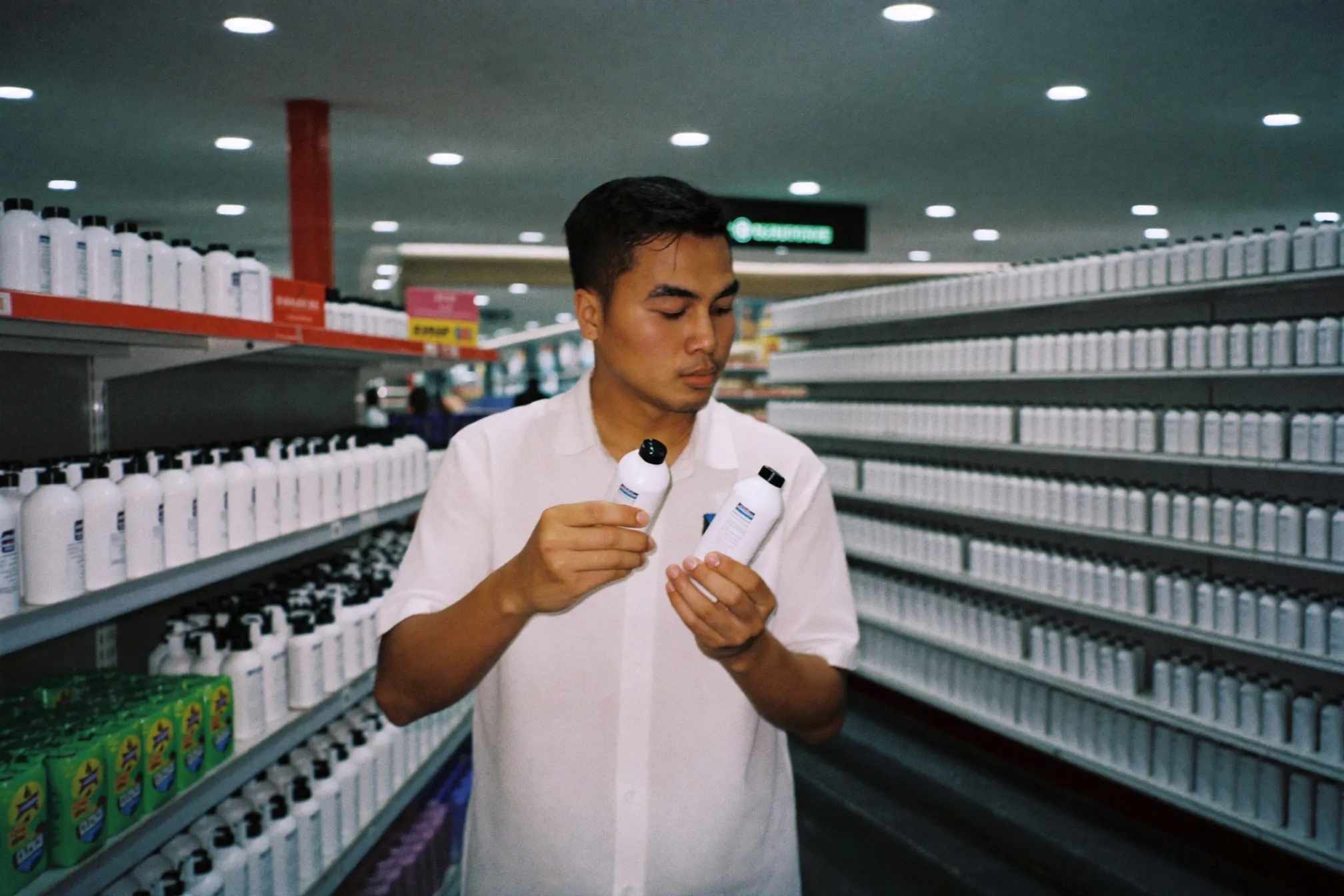
What does a Korean skincare routine for men look like in this climate?
Morning: rinse or cleanse, hydrating toner, gel moisturiser, sunscreen. Night: oil cleanser if you wore sunscreen, foam cleanser, toner, moisturiser. Four items, roughly four minutes total. If you already run our three-step routine, the Korean version adds one hydration layer and better textures.
The morning in detail. Rinse with water if your skin feels fine, or use a mild face wash if you woke up oily. Pat a hydrating toner on with your hands rather than cotton pads, which waste half the product. Gel moisturiser next, then sunscreen last, always. Two fingers of it, and yes, that means more than you currently use.
The night in detail. If you applied sunscreen that morning, water and foam will not remove it properly. An oil or balm cleanser breaks it down first, then your regular cleanser takes the residue off. This double cleanse is the single Korean habit most worth stealing, because leftover sunscreen sitting on your face overnight causes more congestion than sunscreen ever does. Follow with toner and moisturiser.
Two to three times a week, swap in a gentle exfoliant. A low-percentage BHA suits oily skin and clogged pores. Do not stack it with anything else new in the same week.
Which Korean skincare products should you start with?
Buy by texture and skin type, not by the drama actor on the box. These categories cover almost every man in MY or SG.
| Category | What to look for | Rough price (MY / SG) |
|---|---|---|
| Gel or foam cleanser | Low pH, no menthol, no scrub beads | RM25 to RM45 / S$12 to S$20 |
| Oil or balm cleanser | Rinses clean, no heavy residue | RM35 to RM60 / S$15 to S$25 |
| Hydrating toner | Glycerin, panthenol, hyaluronic acid | RM30 to RM55 / S$15 to S$25 |
| Gel moisturiser | Water-gel base, non-comedogenic | RM40 to RM70 / S$18 to S$30 |
| Sunscreen fluid | SPF50+, PA++++, watery finish | RM40 to RM60 / S$18 to S$28 |
| BHA exfoliant | 1% to 2% salicylic acid | RM45 to RM80 / S$20 to S$35 |
Ingredients worth knowing when you read a Korean label: centella asiatica (cica) calms redness and post-shave irritation, niacinamide evens tone and helps with oil, panthenol repairs a stripped barrier, and snail mucin hydrates well if the texture does not bother you. Fermented rice extracts and ginseng sit in the pleasant-but-optional column.
Ingredients to approach with caution: high-percentage acid toners used daily, alcohol-heavy “refreshing” toners, and anything sold as brightening if what you want is even tone rather than lighter skin. Vitamin C and niacinamide fade dark marks. Nothing in a bottle changes your natural complexion, and the products that promise it tend to irritate.
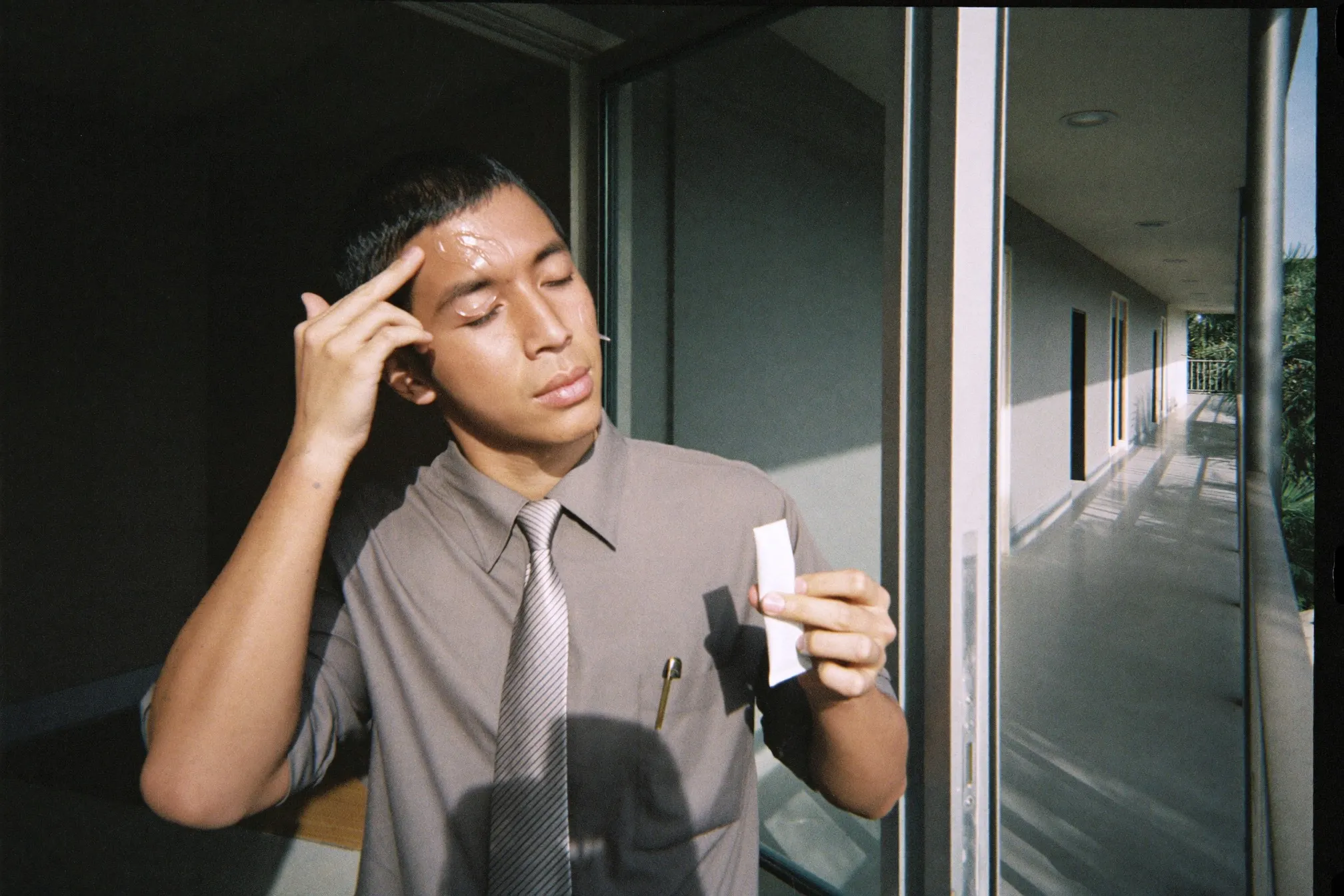
Where do you buy Korean skincare in Malaysia and Singapore?
Watsons and Guardian both run dedicated K-beauty sections, and their member sales cut 20% to 30% off regularly. Sephora carries the premium lines. Shopee and Lazada are cheaper, but buy only from official brand stores, because grey-market K-beauty with rubbed-off batch codes is a real problem on both platforms.
A quick comparison of where your money goes furthest:
| Channel | Best for | Watch out for |
|---|---|---|
| Watsons / Guardian | Trying textures in person | Full price outside sale weeks |
| Shopee / Lazada official stores | Restocking what you know | Unofficial sellers, no batch codes |
| Sephora | Premium lines, samples | Markup on mid-range items |
| Korean marketplace shipping | Bundles and niche brands | Shipping cost, three-week waits |
Test before you commit where you can. Ask for a sample sachet at the counter, or buy the travel size first. A RM60 moisturiser that sits wrong on your face is RM60 gone, and every skin behaves slightly differently under aircon.
What should men skip?
Sheet masks as a daily habit. They are ten minutes of hydration that evaporates by lunch, and a decent moisturiser does the same job for less. Keep them for the night before a wedding if you enjoy the ritual.
Essence and serum stacking. Three watery layers under a moisturiser in 33°C means product pilling under your collar and a shiny forehead by 11am. One hydration layer is plenty here.
Anything with a strong fragrance if you shave daily. Freshly shaved skin reacts to alcohol and perfume, and that stinging you shrug off is inflammation.
And the routine itself, if it is longer than you will keep. Four steps done daily beats nine steps done twice. The one item you should never negotiate is sunscreen, because everything else on this page is maintenance and that one is prevention.
More guides in our skin section if you want to go deeper on specific problems.
Start with two purchases on your next Watsons run: a Korean gel moisturiser and an SPF50+ PA++++ sunscreen fluid. Use both every morning for three weeks before you buy anything else. If your face still feels tight by evening, add a hydrating toner. That is the whole progression, and most men never need step four.
Quick answers
Is Korean skincare good for men?
Yes, mostly because of texture. Korean brands formulate for humid summers, so their gels and watery lotions sit lighter than most Western creams. Skin does not have a gender, so buy by skin type rather than by packaging. Oily skin here suits Korean formulas particularly well.
How many steps does a Korean skincare routine need?
Four in the morning and four at night, and you can drop to three if you are honest about what you use. The famous 10-step sequence came from retail marketing, not from how most Korean men wash their faces. Consistency beats step count every time.
Is Korean skincare expensive in Malaysia and Singapore?
Not at the entry level. A decent Korean cleanser runs around RM25 to RM45, a gel moisturiser around RM40 to RM70, and sunscreen around RM40 to RM60. Singapore prices sit roughly at S$15 to S$30 per item. Luxury K-beauty lines cost as much as any premium brand.
Will Korean skincare break me out?
Layering too much too fast is the usual cause, not the products themselves. Add one item at a time and give it two to three weeks. Rich creams, heavy oils and daily acid toners cause most of the trouble in this climate. Persistent acne needs a pharmacist or doctor, not a bigger shelf.