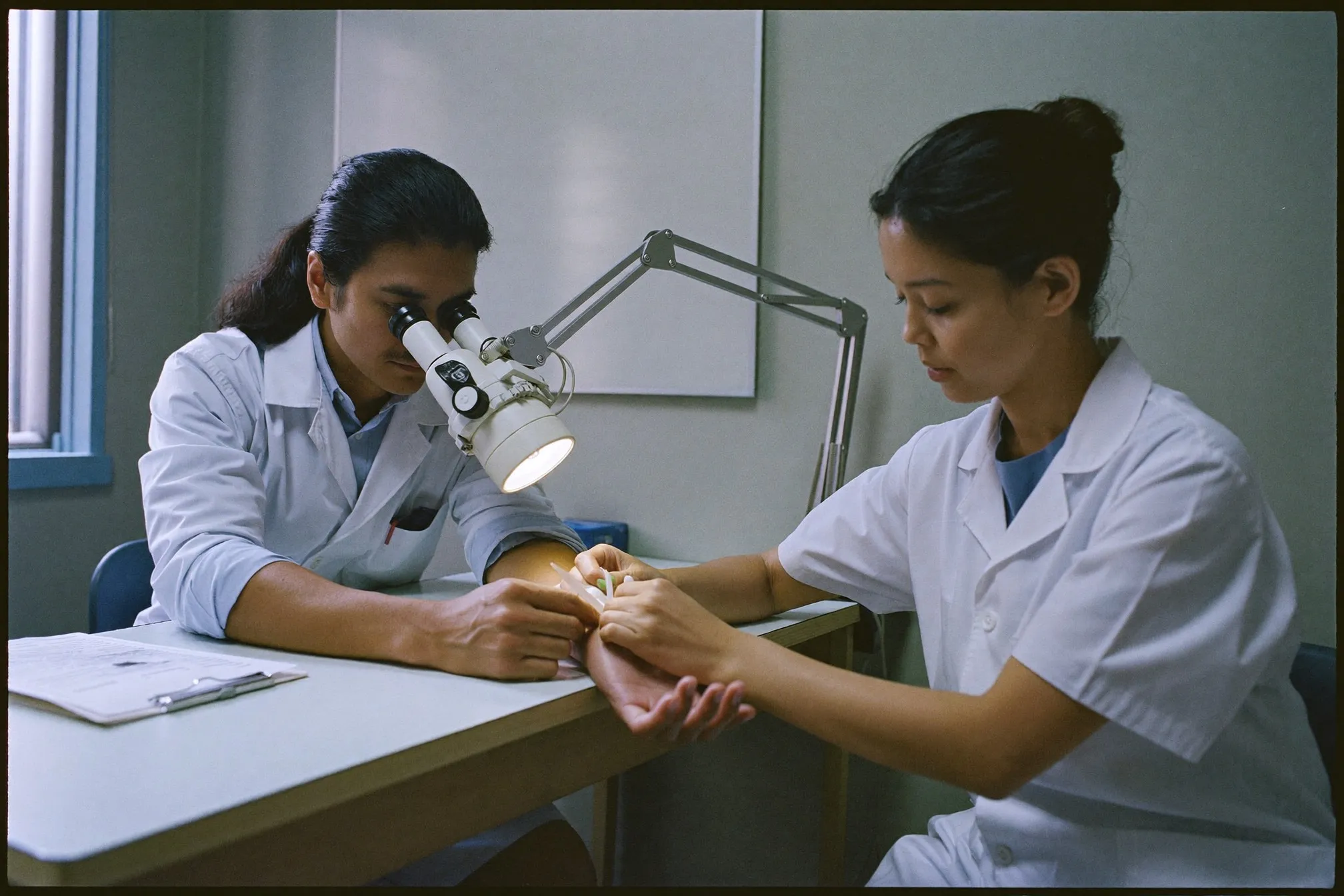
You can reach a dermatologist in Singapore two ways: with a referral from a polyclinic or CHAS clinic, which is what qualifies Singaporeans and PRs for subsidised specialist rates, or by booking a private clinic yourself and paying full price. Malaysia splits the same way. A Klinik Kesihatan or GP referral letter gets you into a government hospital dermatology clinic for a few ringgit, while private dermatologists take direct bookings.
Knowing the two doors is the easy part. The rest is judging when the trip is worth it, how long the cheap route takes, and what each option costs. Every figure below is an approximate range for budgeting, not a quote. Fees change, subsidies depend on your status, and each clinic sets its own prices.
When should you see a dermatologist instead of a GP?
See a GP first for most skin problems. Push for a dermatologist when a condition has not budged after about three months of correct treatment, when it keeps coming back, when it scars, or when it is wrecking your sleep and mood. Any changing mole or non-healing sore skips the queue entirely.
A GP or family doctor handles the bulk of what men bring in: mild to moderate acne, ringworm and jock itch, mild eczema, dandruff and the flaky patches beside your nose, warts, folliculitis from shaving. Most of it responds to a topical and some patience. Our acne guide covers what “correct treatment” looks like before you spend money escalating.
The cases where a specialist earns the fee:
- Acne that is scarring, cystic, or unmoved by three months of proper treatment. The NHS notes that severe acne needs specialist care, and the drugs that work at that level require monitoring.
- A rash nobody can name. Suspected psoriasis, lichen planus, chronic hives lasting more than six weeks.
- Hair loss with patches, scaling or scarring, as opposed to standard pattern thinning covered in the hair loss guide.
- Contact allergy you cannot pin down. Patch testing is a dermatology procedure, not a guess.
- Anything on the eyelids, genitals or nail beds that has not cleared.
- A mole, growth or patch that is changing, which the AAD and Mayo Clinic both flag as the signal that matters. Read the skin tags guide for how to tell one benign growth from a question mark.
Two things do not warrant a specialist: oiliness and one spot before a wedding. Fix those with a routine.
How do you get a dermatologist appointment in Singapore?
Book a polyclinic or CHAS clinic appointment, get assessed, and ask about a referral. The referring clinic makes the first specialist appointment on your behalf. Subsidised dermatology in Singapore runs through hospital dermatology departments and the National Skin Centre, and the referral source is what determines whether you are charged subsidised or private rates.
The rules that catch people out are worth stating plainly. Subsidy requires Singaporean or PR status plus a referral from a subsidised public clinic, a polyclinic, a CHAS clinic or an SAF medical centre. A referral from your private GP does not qualify you. Neither does self-referral, and neither does asking to see a specific named consultant, which automatically puts you in the non-subsidised queue. Foreigners pay non-subsidised throughout.
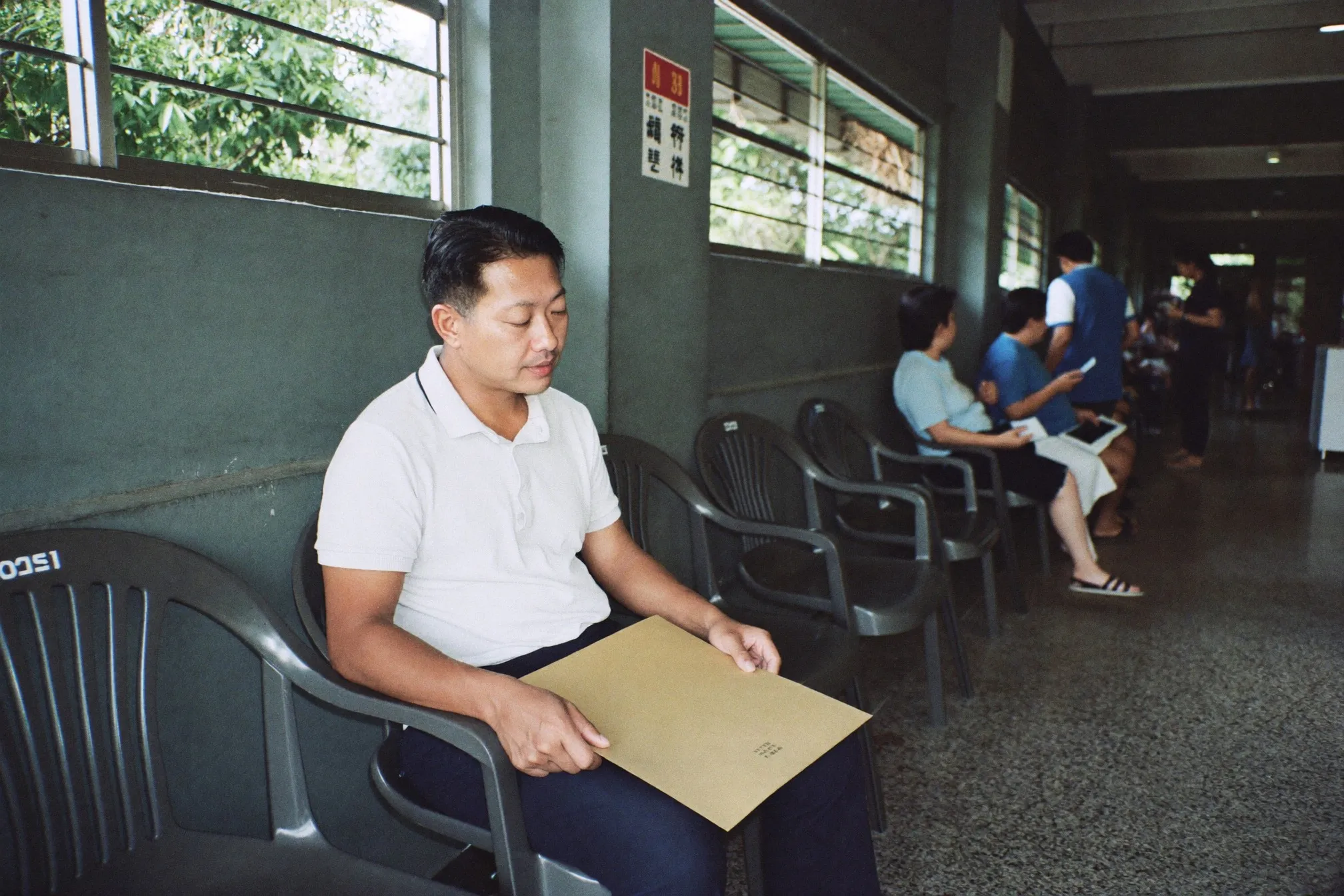
Referral letters have an expiry, commonly a few months, so book while yours is fresh. If the problem is spreading, bleeding or painful, say so at the polyclinic rather than at reception afterwards. Urgency is a clinical decision and it changes your appointment date.
On money: MediSave generally does not cover routine outpatient specialist consultations, and cosmetic work sits outside subsidies and most insurance. Read your company plan or integrated shield policy before you assume anything is claimable.
How do you see a skin specialist in Malaysia?
Start at a Klinik Kesihatan or any GP. If your case needs specialist input, you leave with a referral letter to the dermatology clinic at a government hospital, where registration for Malaysian citizens sits at a nominal fee, commonly quoted around RM5 for specialist clinics and RM1 for the health clinic itself. Private dermatologists take direct bookings with no referral at all.
The public route is cheap and the doctors are good. What you trade is time. Dermatology clinics at smaller hospitals run on specific days only, waits for a non-urgent first appointment stretch into weeks or longer, and most hospitals will not see you without the referral letter, partly to control crowding. Bring your IC, the letter, and the actual boxes of everything you have been putting on your skin.
The private route in KL, PJ, Penang and JB works like any specialist booking: call the hospital’s specialist centre or book online, pick a slot, pay at the counter. No referral needed to walk in. Your insurer may still want a GP referral before it will entertain a claim, so check the policy first rather than after.
Foreigners and non-citizens pay a separate, higher fee schedule at government facilities. It remains far below private rates, but it is not the RM1 figure your Malaysian colleague quotes.
What does seeing a dermatologist cost?
Roughly this, and roughly is the operative word. These are budgeting ranges collected from published public fee schedules and typical private pricing as of 2026, not quotes. Confirm with the clinic when you book.
| Step | Malaysia (approximate) | Singapore (approximate) |
|---|---|---|
| First-contact doctor, public | ~RM1 registration at a Klinik Kesihatan, citizens | ~S$15 to S$30 at a polyclinic, citizens |
| First-contact doctor, private | RM35 to RM80 GP visit, often with basic medicines | S$30 to S$60 GP visit, less with CHAS |
| Public specialist clinic | ~RM5 registration, citizens | Roughly S$40 to S$60 first visit after subsidy |
| Private dermatologist, first consult | RM100 to RM250 | S$120 to S$250 |
| Private follow-up | RM80 to RM150 | S$80 to S$160 |
The consultation is rarely what hurts. What follows it can: prescription topicals and oral courses, patch testing, a biopsy, a phototherapy course booked in multiples, laser sessions sold as packages. Before you agree to anything, ask two questions. What does this cost in total, and what does the next six months of treatment cost if it works?
Also worth knowing: the line between medical and cosmetic decides who pays. Treating active acne is medical. Resurfacing the scars it left is usually classed as cosmetic, which means no subsidy and, in most cases, no insurance.
Is that “skin clinic” staffed by an actual dermatologist?
Everyone here says skin doctor, which covers a lot of ground. A dermatologist is narrower: a doctor who completed recognised specialist training in skin, hair and nails. In Malaysia they appear on the National Specialist Register maintained under the Malaysian Medical Council. In Singapore they appear on the Singapore Medical Council’s Register of Specialists. Both registers are searchable online, free, and take under a minute.
Do that search. The word “aesthetic” is not a medical specialty, and plenty of clinics selling skin treatments in both countries are staffed by GPs with additional training in aesthetic procedures. That is legal, and for a laser session it may be all you need. For a rash nobody can identify, a suspicious mole or acne heading towards scarring, you want the person with the specialist registration.
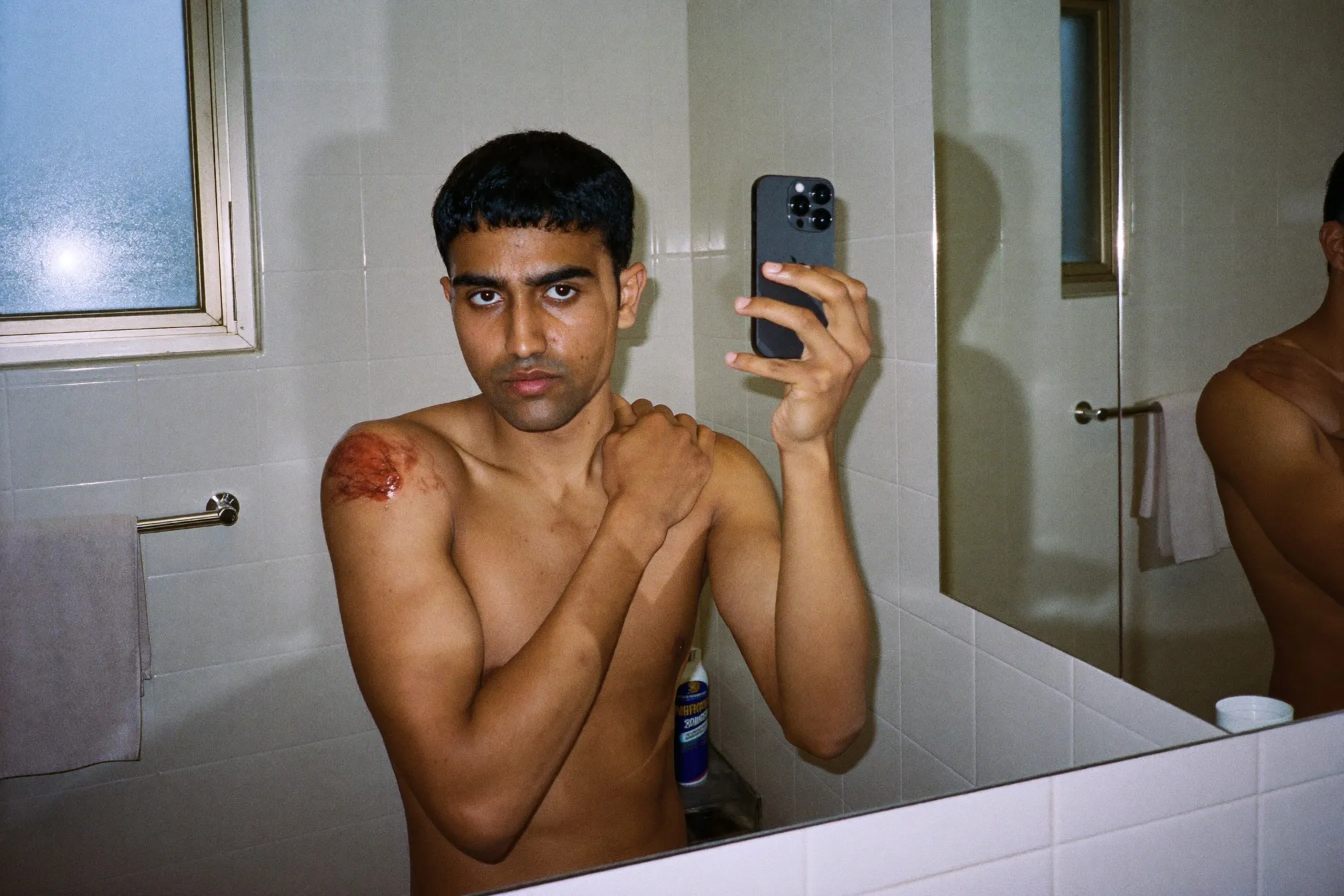
We do not recommend clinics by name here, and you should be sceptical of any article that ranks them. Use the register, check the doctor’s listed subspecialty, and treat a clinic that opens with a treatment package rather than a diagnosis as a clinic to leave.
How do you make the appointment worth the money?
Show up with evidence. A dermatologist gets ten to fifteen minutes with you and can only assess what is in front of them, which is a problem when your rash politely disappears on the morning of the appointment. Photographs, a product list and a timeline turn a vague consultation into a useful one.
Bring:
- Photos across time, taken in daylight against a plain background, dated. A flare from six weeks ago is diagnostic information.
- Everything you put on your skin, including the face wash, the supplements, the traditional remedies and whatever your aunt recommended. Bring the bottles or photograph the ingredient panels.
- A timeline. When it started, what makes it worse, what you have tried and for how long.
- Your questions, written down. You will forget them.
Skip the concealer, and do not start a brand new treatment in the fortnight before your slot, because it muddies what the doctor sees. If you are on the public route and the wait is long, keep doing the basics from the skincare routine guide instead of cycling through three new products a month.
Before you leave the room, ask: what is this condition called, what happens if I do nothing, and what does the full course cost. Write the answers in your phone. You will need them for the follow-up.
When should you stop waiting and go now?
Some things do not belong in a queue. Go to a doctor promptly, and to A&E or the emergency department for the last one:
- A mole or growth changing in size, shape or colour, or a sore that has not healed in a few weeks.
- Skin blistering or peeling, especially within weeks of starting a new medication.
- A rash spreading fast with fever, or one that is hot, swollen and painful to touch.
- Any skin problem alongside swelling of the lips, face or throat, or difficulty breathing. That is an emergency, not a dermatology appointment.
The AAD and Mayo Clinic both describe change as the warning sign with any growth, and skin cancer can appear on skin that rarely sees the sun. Darker skin tones are not exempt, and cancers on brown skin are often caught late because everyone assumes the risk belongs to fair skin. Keeping daily sunscreen running is the one part of this you control.
Do this today: photograph the area in daylight against a plain wall with a coin beside it for scale, and note the date. Then book your first-contact appointment, a polyclinic or CHAS clinic in Singapore, a Klinik Kesihatan or GP in Malaysia, and open with one direct question: does this need a dermatologist, and can you refer me? The rest of the skin section covers what to do while you wait for the date.
Quick answers
Do I need a referral to see a dermatologist in Singapore?
Not for a private clinic, which you can book yourself. For subsidised specialist rates you do, and the referral has to come from a polyclinic, a CHAS clinic or another subsidised public clinic, which then books your first appointment. Self-referrals and private referrals are charged non-subsidised rates.
How much does a dermatologist cost in Malaysia?
On the public route, a Klinik Kesihatan referral leads to a government hospital specialist clinic where registration for citizens is nominal, around RM5. A private first consultation commonly lands somewhere around RM100 to RM250 before any tests. Treat both as approximate and confirm when you book.
Can a GP handle my skin problem instead?
Usually, yes. GPs treat mild to moderate acne, fungal infections, dandruff, mild eczema and warts every day. Ask about a referral when three months of correct treatment changes nothing, when the condition scars or keeps spreading, or when nobody can put a name to it.
How long is the wait for a subsidised dermatology appointment?
Plan for weeks rather than days on the public route in either country, and longer in busy periods for a non-urgent first visit. Tell the referring doctor if the problem is spreading fast, bleeding, painful or changing, because urgency changes how your case gets triaged.