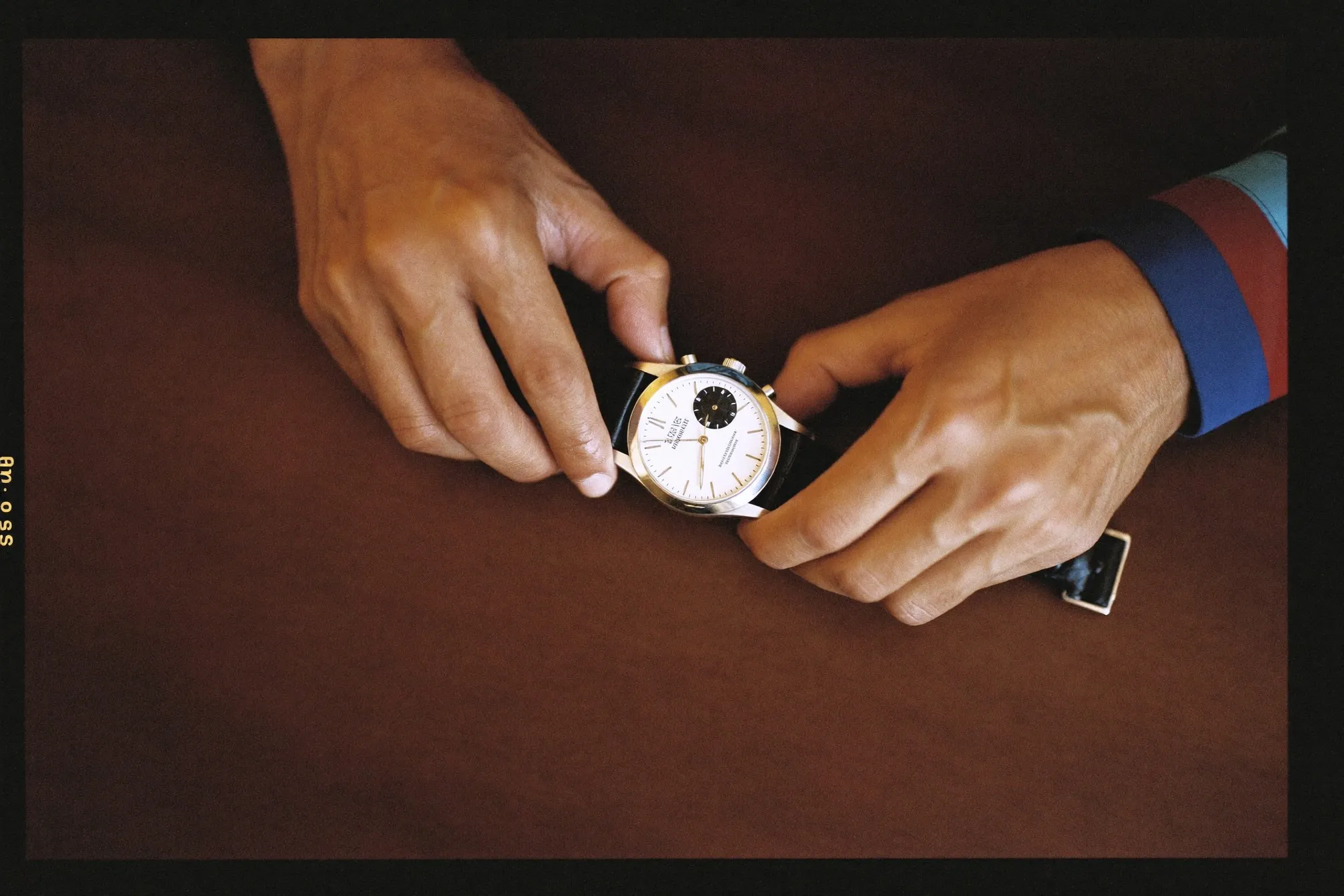
The best value in watches lives one shelf below the famous names: Oris if you want serious Swiss watchmaking, Titan if you want the most watch under RM500, and the microbrand scene if you want specs that embarrass brands charging triple. None of them will impress a pawn shop. All of them will impress anyone who knows watches.
We covered the obvious ladder in a watch for every budget and the entry legends in our Casio and Seiko guides. This is the connoisseur’s detour: the brands watch people buy with their own money.
What does “underrated” actually mean in watches?
Underrated means the gap between what a watch costs and what it delivers runs in your favour, usually because the maker spends less on ambassadors and airport billboards. Watch pricing is mostly storytelling: two watches with comparable movements, cases and finishing can sit three price tiers apart because one brand sponsors a film festival and the other doesn’t. Buying underrated means collecting the difference.
It also means accepting the social trade. A famous watch does a job at a business dinner that an underrated one cannot: instant recognition. If that job matters for your work, weight it honestly. If your watch only needs to please you and survive your life, recognition is the most expensive feature on the spec sheet, and the easiest to delete.
The test that never fails: cover the logo and ask what you’d pay. Underrated brands survive that test. Fashion-brand watches rarely do.
Why is Oris the watch nerd’s Swiss pick?
Oris makes proper Swiss mechanical watches, stayed independent when nearly every rival sold to a conglomerate, and prices around RM6,000 to RM12,000 where equivalent big names start at double. The Aquis diver and the Big Crown pilot are the famous lines, and both turn up on the wrists of people who could afford anything.
What you give up is the name. Nobody’s uncle recognises an Oris. What you get is watchmaking: their Calibre 400 movement runs five days on a wind and shrugs off magnets, which is genuinely better engineering than some pieces at twice the price. In MY and SG, authorised dealers sit in the usual KLCC and Orchard watch corridors, so servicing is a solved problem.
What makes Titan the region’s sleeper?
Titan sells more watches than almost anyone you’d call famous, and its RM200 to RM600 quartz pieces are the best-finished watches at that money in this region. It is owned by Tata, the Indian industrial giant, and has been quietly excellent since the 1980s. The Edge line held a record for the slimmest quartz watch, and the dress models pass for triple their price across a boardroom table.
The comparison that matters: a Titan against a fashion-brand watch at the same price is not a contest. The fashion brand spent the money on the logo. Titan spent it on the case, the dial and the movement. If the office needs analogue and the budget is tight, this is the answer, with service centres across MY and SG.
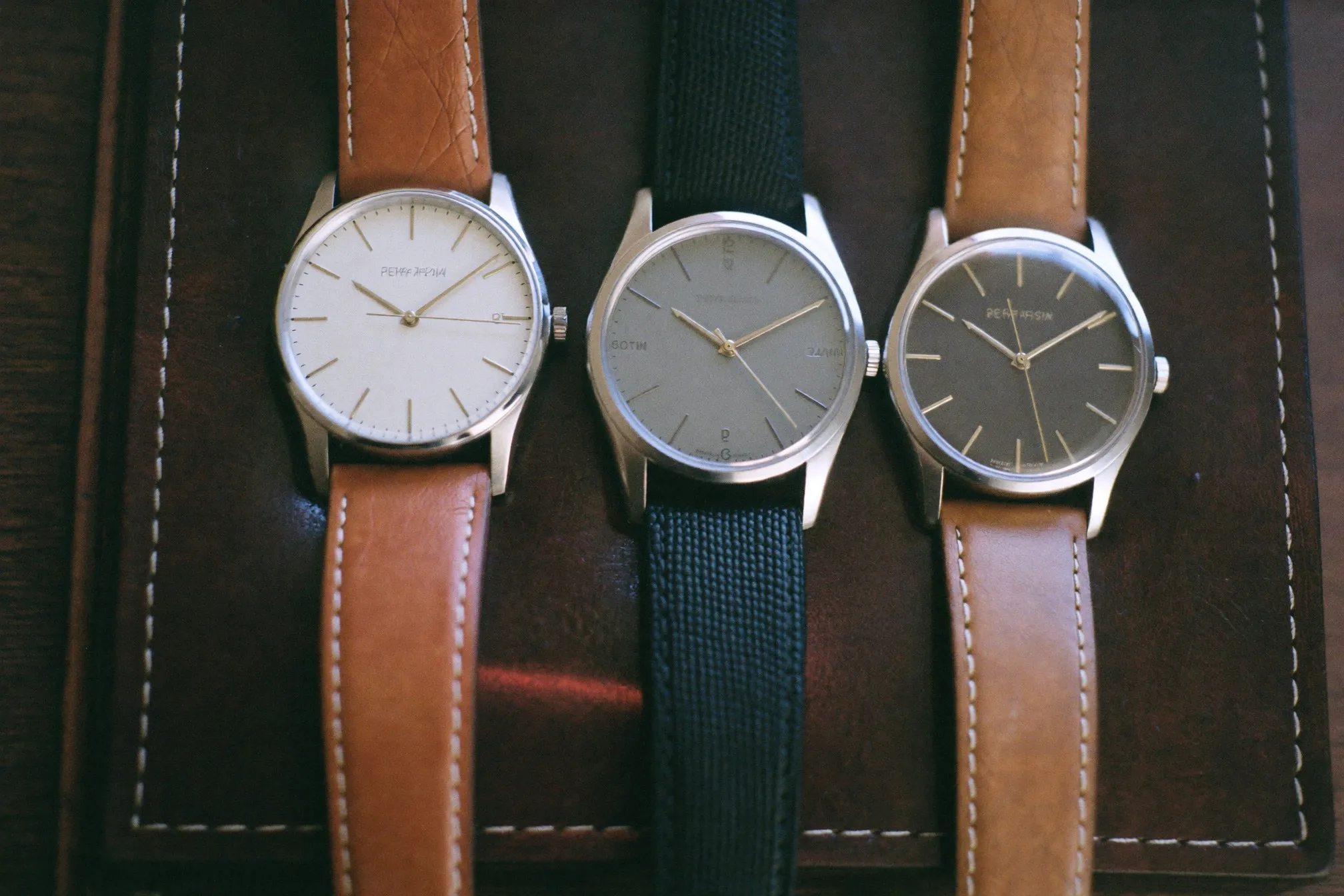
Are microbrands actually good?
The good ones deliver specs that mainstream brands cannot match at the price, because they sell direct online and skip the retail markup. Sapphire crystal, 200m water resistance, a reliable Seiko NH35 automatic movement and drilled lugs for RM1,200: that spec sheet from a famous name would cost RM4,000.
The scene splits roughly three ways:
| Type | What you get | Watch out for |
|---|---|---|
| Spec monsters | Diver specs at RM800–1,500 | Generic design, heavy cases |
| Design-first | Original looks you can’t get elsewhere | Waitlists, small production runs |
| Heritage revivals | Reissued designs from dead brands | Trading on a name they bought |
Singapore has a real microbrand scene of its own, and local makers turn up at watch fairs in both cities, which means you can sometimes try before buying, the microbrand’s biggest usual weakness.
Buying rules: stick to known movements (Seiko NH35, Miyota 9 series, Sellita), read the warranty terms before paying, and treat renders with suspicion. Photos on wrists or nothing.
How do you buy these brands in MY and SG?
Each shelf has its own buying route, and using the wrong one costs money or authenticity.
Oris sells through authorised dealers in the main watch corridors, KLCC and Pavilion in KL, Orchard in Singapore, plus the occasional boutique. Buy authorised for the warranty, but ask about display pieces and previous-season models: dealers discount Oris far more readily than the famous names, and ten to twenty percent off for asking politely is common outside launch periods.
Titan lives in department stores, its own outlets and the big online platforms. Counterfeits are rare at this price because faking a RM300 watch barely pays, so official online stores on Shopee and Lazada are safe and frequently cheaper during sale events.
Microbrands are direct-order by design. Pay with a credit card for the dispute protection, screenshot the order page and warranty terms, and expect shipping from wherever the founder lives. For Singapore-based microbrands, some run collection points or appear at the annual watch fairs in both cities, which converts an online gamble into a try-on.
Servicing is the long-term question nobody asks at checkout. Oris services through its dealer network like any Swiss brand. Titan has regional service centres. A microbrand with a Seiko NH35 inside is the sleeper winner here: any competent independent watchmaker in KL or Singapore can service that movement cheaply, forever, without the brand’s involvement. The generic movement you paid less for is also the one that never strands you.
Which underrated watch should you actually buy?
Match the brand to the job. Titan for the office on a budget. A spec-monster microbrand for the weekend beater that gets salt water and futsal. Oris when you are ready for one serious Swiss watch and would rather pay for the movement than the marketing.
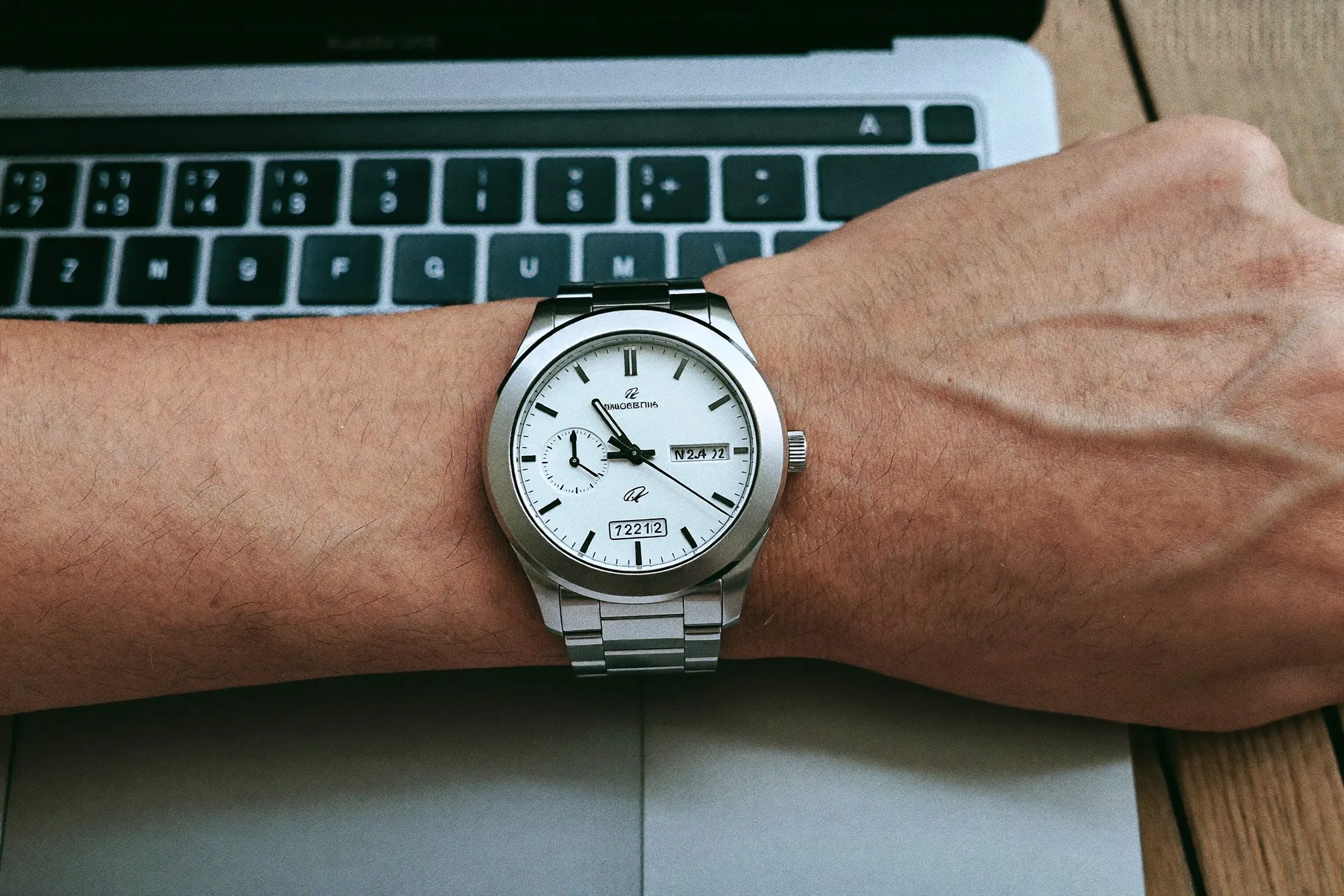
The honest trade in all three cases is resale. These watches depreciate, and the famous names hold. If a watch is partly an investment to you, read our take on the aspiration tier first. If a watch is a thing you wear and enjoy, the underrated shelf gives you more watch per ringgit than anywhere else in the shop.
Next time you’re near a watch counter, try an Oris Aquis on the wrist and check the price tag afterwards, in that order. That’s the whole argument in ten seconds.
Quick answers
Are Oris watches worth the money?
Yes, if you want Swiss mechanical watchmaking without paying for marketing. Oris is independent, makes proper in-house and Sellita-based movements, and sells at roughly half the price of equivalent big-name Swiss pieces. The trade-off is resale value, which favours famous brands.
Is Titan a good watch brand?
For quartz watches under RM500, Titan is one of the strongest value plays in this region. It is Tata-owned, widely serviced in Malaysia and Singapore, and the finishing at its price point embarrasses fashion brands charging double. It is not a luxury brand and does not pretend to be.
What is a microbrand watch?
A small independent maker, usually selling online with no retail markup, often using reliable Japanese Seiko NH35 or Miyota movements. You get specs that would cost triple from a famous name. The risks are warranty support and resale, both weaker than established brands.
Do underrated watches hold their value?
Mostly no, and that is priced in. Oris, Titan and microbrands depreciate faster than Rolex or Omega. Buy them to wear, not to flip. If resale matters to you, the aspiration-tier brands are the safer store of value, at a much higher entry price.