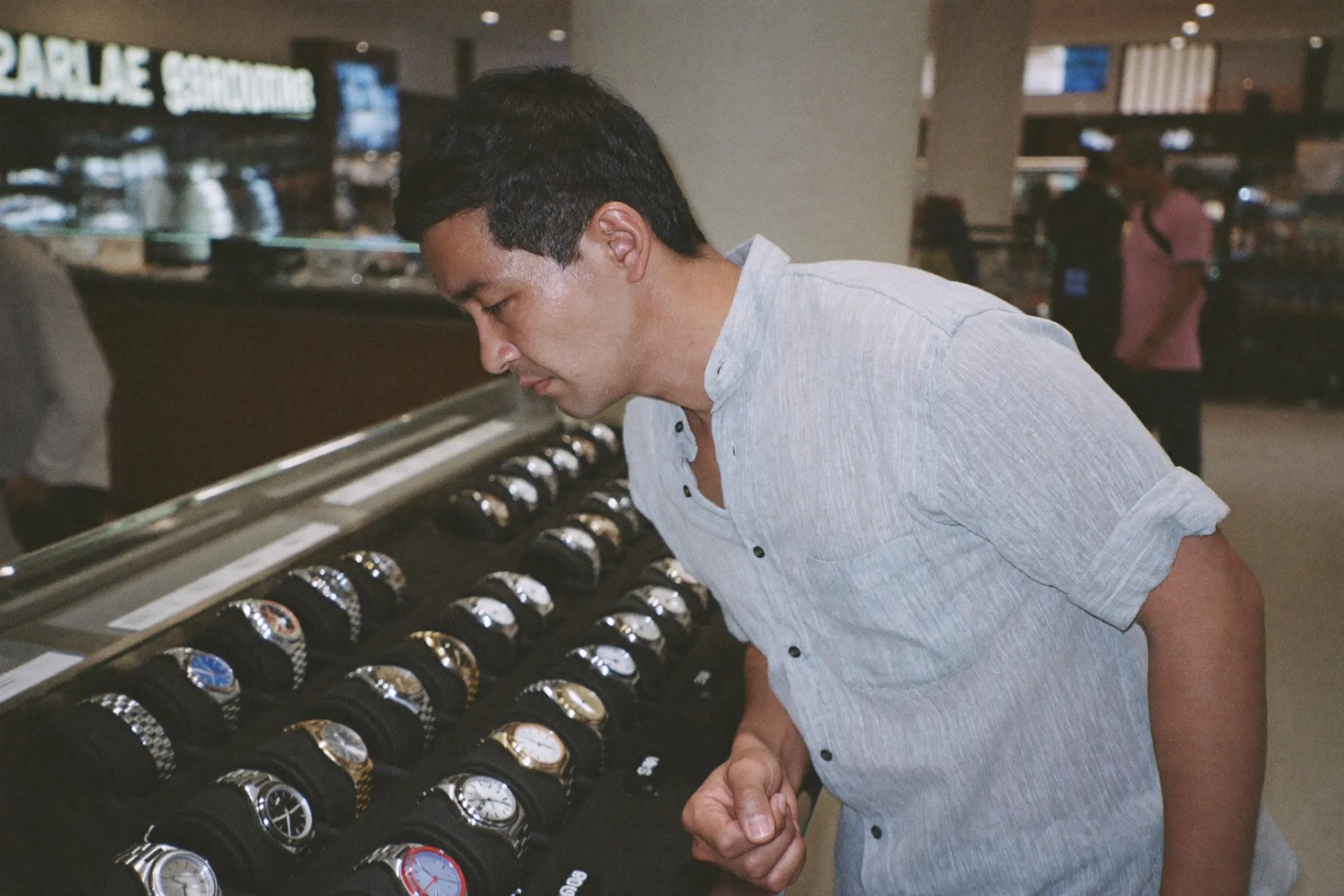
Rolex, Omega and Tudor sit on three different rungs of the same ladder. A steel Rolex sports model carries a two to five year wait at authorised dealers in Singapore and Kuala Lumpur, and the grey market charges 20 to 30 percent over retail to skip that queue. Omega sells comparable watchmaking you can walk out with the same afternoon, often below list if you buy pre-owned. Tudor, owned by the same house as Rolex, delivers most of the engineering for around a third of the money.
Which one you buy depends on whether you want the object or the answer to “is that a Rolex?”. Both are honest reasons to spend. Only one of them costs an extra RM30,000.
What separates Rolex, Omega and Tudor?
Rolex sells scarcity and the strongest name recognition in watchmaking. Omega sells certification and availability, with movements tested to a stricter independent standard than most rivals and a five-year warranty. Tudor is Rolex’s sibling brand, sharing design language and quality control while running its own movements at roughly a third of the price.
The technical gap between the three is narrower than the price gap suggests. Rolex rates its watches to within two seconds a day either side, uses a proprietary 904L steel it calls Oystersteel, and finishes cases to a standard you can see under a loupe. Omega counters with METAS Master Chronometer certification, an independent Swiss test that checks accuracy, water resistance and resistance to magnetic fields up to 15,000 gauss. Tudor sends its movements to COSC and builds them at Kenissi, the same facility that supplies Breitling and Chanel.
None of that is why people buy a Rolex. They buy it because a crown on a dial is legible to a stranger across a boardroom table in a way no other watch is. That legibility is the product, and Rolex prices it accordingly.
| Brand | Steel entry, roughly | Can you buy today? | What the money buys | Secondhand reality |
|---|---|---|---|---|
| Rolex | RM30,000 to RM55,000 / S$9,000 to S$16,000 | No for sports models, sometimes for dress models | 904L case, -2/+2 sec per day, unmatched recognition | Popular refs trade above retail |
| Omega | RM20,000 to RM45,000 / S$6,000 to S$14,000 | Yes, most references | METAS certification, 15,000 gauss resistance, 5-year warranty | Usually 20 to 30 percent below retail |
| Tudor | RM14,000 to RM22,000 / S$4,500 to S$7,000 | Mostly yes | COSC movements, around 70-hour reserve, Rolex-adjacent build | Below retail, but holds better than most Swiss |
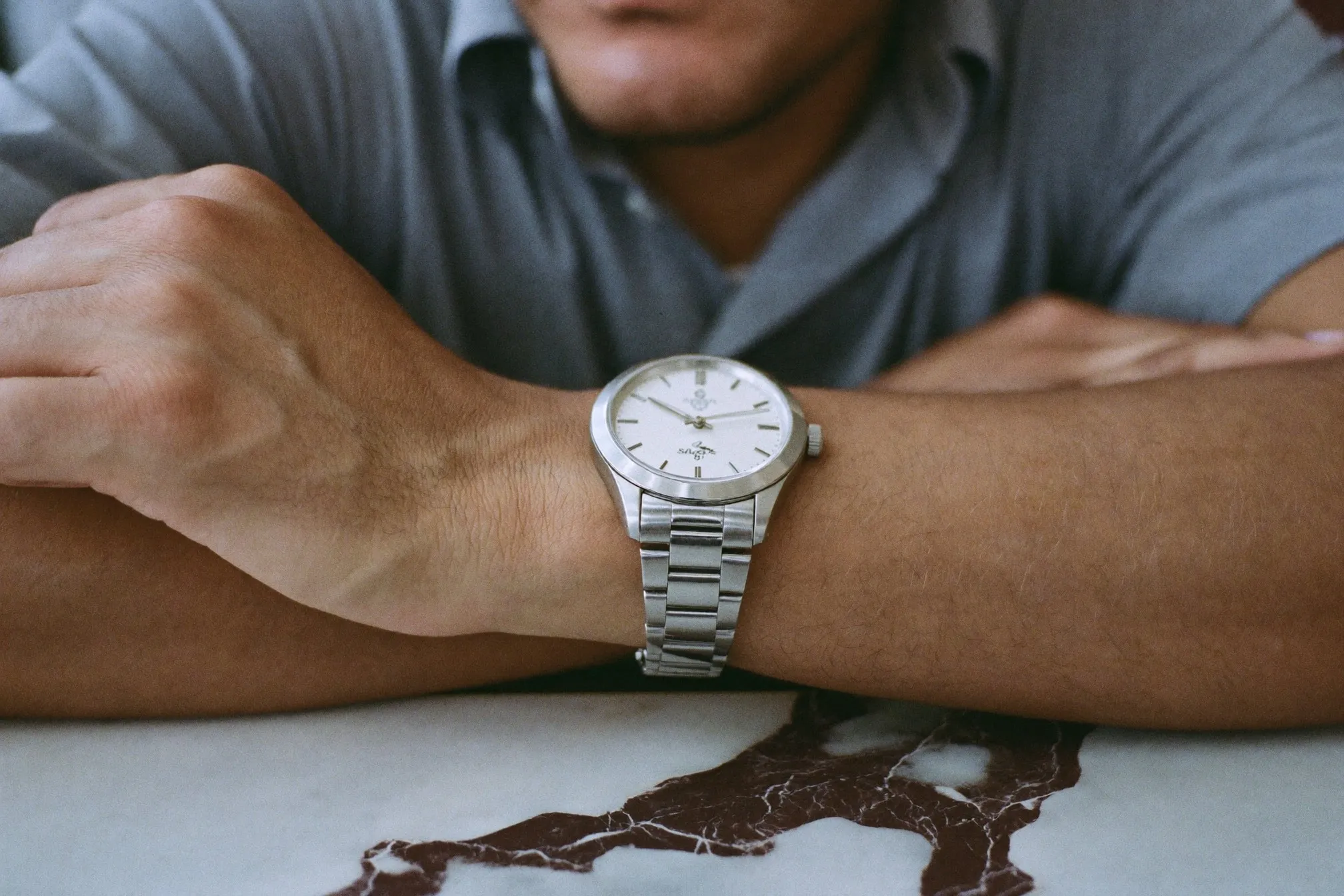
Why can’t you walk in and buy a Rolex?
Demand exceeds supply at every authorised dealer in the region. Steel sports models are allocated rather than sold, and dealers hand them to customers with a purchase history. Waiting lists for a steel Submariner in Singapore run roughly 24 to 60 months, and several Orchard Road boutiques have closed their interest lists to new names.
The mechanics are unglamorous. You register interest, you leave your details, and a sales associate decides where you sit relative to people who have bought three watches from that boutique already. Nobody will say this out loud. Everybody knows it. Walking into a Pavilion KL or ION Orchard boutique as a first-time buyer and asking for a Submariner Date gets you a polite smile and a form.
Two routes get around the wait. The first is buying what is available: an Oyster Perpetual, a Datejust or a precious-metal model can often be ordered within months rather than years, and both dress models are arguably better office watches than a dive watch anyway. The second is Rolex Certified Pre-Owned, launched in 2022 and now sold through authorised dealers, which gives you a genuine watch with a two-year Rolex warranty at a price between retail and the grey market. CPO volume has grown to the point where it competes directly with independent resellers.
What does the grey market premium cost you?
On a Submariner Date, roughly S$3,000 to S$4,500 over the S$15,950 retail, so a 20 to 28 percent queue-jump fee. Hyped references like the GMT-Master II “Batman” and any steel Daytona run higher again. Quieter models sit close to retail, and a few sell at a discount.
Worth knowing: the market has cooled a long way from its 2021 to 2022 peak. Across the whole Rolex catalogue the average secondary price now sits only single-digit percentages above retail, which tells you the frightening premiums live in a handful of references rather than the brand as a whole. If your heart is set on a Datejust, the grey market is close to a normal shop.
The trade-off is paperwork. A grey dealer sells you a watch with its warranty card, but the warranty you receive is theirs, not Rolex’s, and international-market watches sometimes arrive with a card already activated. That is survivable on a watch you plan to keep for twenty years. It stings if you resell in year two.
Omega and Tudor run the opposite way. A three-year-old Speedmaster or Black Bay in good condition sells for 20 to 35 percent under its boutique price, from the same dealers charging a premium on Rolex. For anyone who wants a serious mechanical watch rather than a specific status object, that gap is the best value in the tier.
Is Omega the smarter buy?
On pure watchmaking per ringgit, yes. The Speedmaster Moonwatch, Seamaster 300M and Aqua Terra all carry METAS certification, five-year warranties and genuine history, and you can try one on at a Cortina or Hour Glass counter this weekend and take it home. No list, no relationship-building, no form.
The Speedmaster is the strongest argument. It is a hand-wound chronograph with a lineage nobody can dispute, it sits flat under a shirt cuff, and it costs a fraction of a Daytona while doing the same job. The Seamaster 300M is the dive alternative to a Submariner and reads sportier, with a wave-pattern dial that people either love immediately or never warm to. The Aqua Terra is the quiet one, and the one most likely to still look right when you are fifty.
Accept the depreciation before you buy. Omega at retail loses roughly a third of its value on the drive home and then stabilises. If that number bothers you, buy pre-owned from a dealer who pressure-tests and services before sale, and let the first owner take the hit. Our watch guide by budget covers the tiers below this one, where the maths is friendlier.
Where does Tudor fit?
Tudor is for people who want the build without the announcement. The Black Bay 58 at 39mm fits an average wrist here better than a 41mm Submariner does, the bracelets are excellent, and the whole range sits around RM16,000 to RM20,000 or S$5,000 to S$6,500. It shares ownership with Rolex and borrows its design vocabulary without borrowing its price.
The Pelagos is the technical one, in titanium with a helium escape valve you will never use, and it is the most watch-nerd choice in this article. The Black Bay Chrono splits the difference between a dive watch and a chronograph and does neither perfectly, which some people find charming. All of them run in-house Kenissi movements with a power reserve near 70 hours, meaning you can take it off Friday night and it is still running Monday morning.
The honest catch: nobody at the wedding will identify your Tudor. Not the uncle who asks about watches, not the colleague with the Instagram collection. If recognition is a meaningful part of why you are spending five figures, a Tudor will quietly disappoint you every time somebody glances at your wrist and moves on. If it is not, Tudor is the most rational purchase on this page.
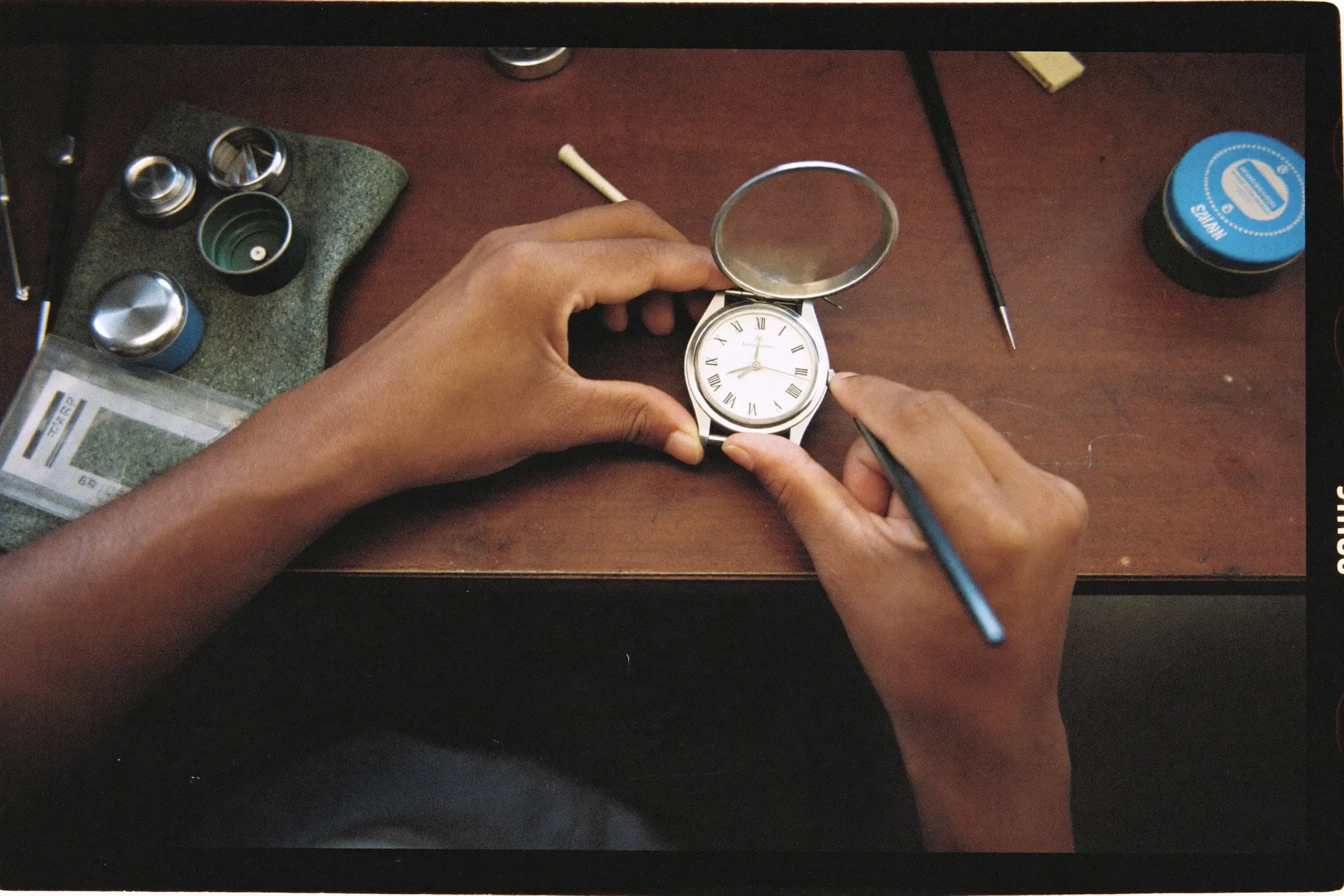
What should you check before buying in KL or Singapore?
Try the watch on your bare wrist, confirm the warranty is local, and budget for servicing before you swipe. Authorised dealers in both cities include Cortina Watch, The Hour Glass and Sincere Fine Watches, with brand boutiques concentrated in Pavilion KL and Suria KLCC, and along Orchard Road and at Marina Bay Sands in Singapore.
Cross-border shopping is less clever than it looks. Singapore adds 9 percent GST, refundable only if you are a tourist flying out, while Malaysian retail carries its own tax and a different exchange rate baked into the list price. After airfare and a hotel night, the gap on a mid-tier Omega rarely justifies the trip. Buy where you live, because that is where you will bring the watch for service.
Servicing is the cost nobody mentions in the boutique. A full service runs roughly RM2,500 to RM4,500 for a Rolex, somewhat less for Omega, less again for Tudor, and the brands suggest intervals of five to ten years. Our climate shortens that maths: humidity and daily sweat age gaskets faster than a Swiss test lab predicts, so get the seals pressure-tested every couple of years even if the movement feels fine.
On fakes, the counterfeits at this level are good enough that a photo tells you nothing. Buy from an authorised dealer, a Rolex CPO listing, or a pre-owned specialist who authenticates in-house and will let you bring the watch to a service centre before payment. Anything sold urgently, at a suspicious discount, or through a Telegram group is a story that ends badly. The same rule holds further down the ladder, as our Seiko guide and the rest of the culture section keep repeating.
One last thought on the money. A watch at this price is a want dressed as an heirloom, and it competes directly with a house deposit or an emergency fund. If you have not built one of those yet, our guide to saving your first RM10,000 is a better use of the next six months, and the watch will still be there.
Your move: pick the one model you keep coming back to, then go and put it on your wrist at a boutique this weekend without your wallet. Photograph it from above at desk height, not at arm’s length, and see whether it still works with the shirts in your formal wardrobe. If you still want it in a month, start the conversation with the dealer. If you have stopped thinking about it, you saved five figures.
Quick answers
How long is the Rolex waiting list in Singapore or Malaysia?
For steel sports models like the Submariner or GMT-Master II, expect two to five years at an authorised dealer, and some boutiques have stopped taking new names entirely. Dress models such as the Datejust and Oyster Perpetual move faster, sometimes within months.
Is buying a Rolex on the grey market a bad idea?
No, as long as you understand the trade. You pay roughly 20 to 30 percent over retail on popular steel models and receive a dealer warranty rather than the Rolex international one. For a watch you want now and intend to keep, that can be a fair deal.
Is Tudor just a cheap Rolex?
Tudor sits under the same ownership and shares design language and quality control, but it builds its own movements and uses standard 316L steel. You get COSC-certified mechanics and around 70 hours of power reserve for roughly a third of a Rolex price. Nobody will recognise it, which is the point for some buyers.
Does an Omega hold its value?
Not the way a steel Rolex does. Most Omega models lose 25 to 35 percent the moment you leave the boutique and settle there. That makes buying one pre-owned in good condition the strongest value play in this entire price tier, since the first owner absorbed the drop.