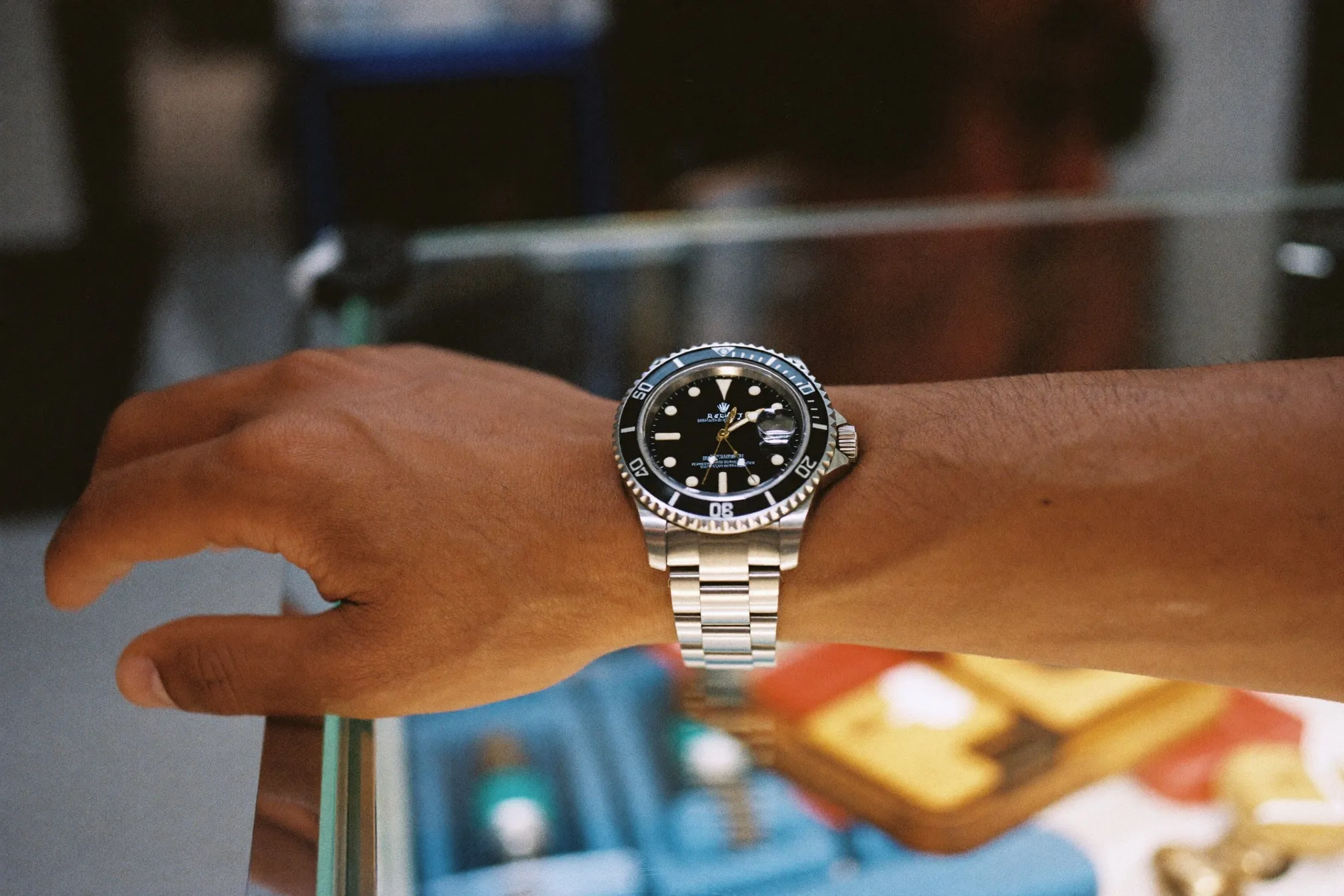
Seiko watches earn their reputation because Seiko builds almost everything inside them, at every price from a RM400 quartz to a Grand Seiko that costs more than a car. Almost no other watch company covers that spread. None of them do it with in-house movements the whole way up.
The catch is the catalogue. Seiko sells hundreds of references across half a dozen lines with names that mean nothing until someone sits you down and explains them. This guide sorts the lines, names the ones worth your money in MY and SG, and covers where the fakes hide.
Why do watch people rate Seiko so highly?
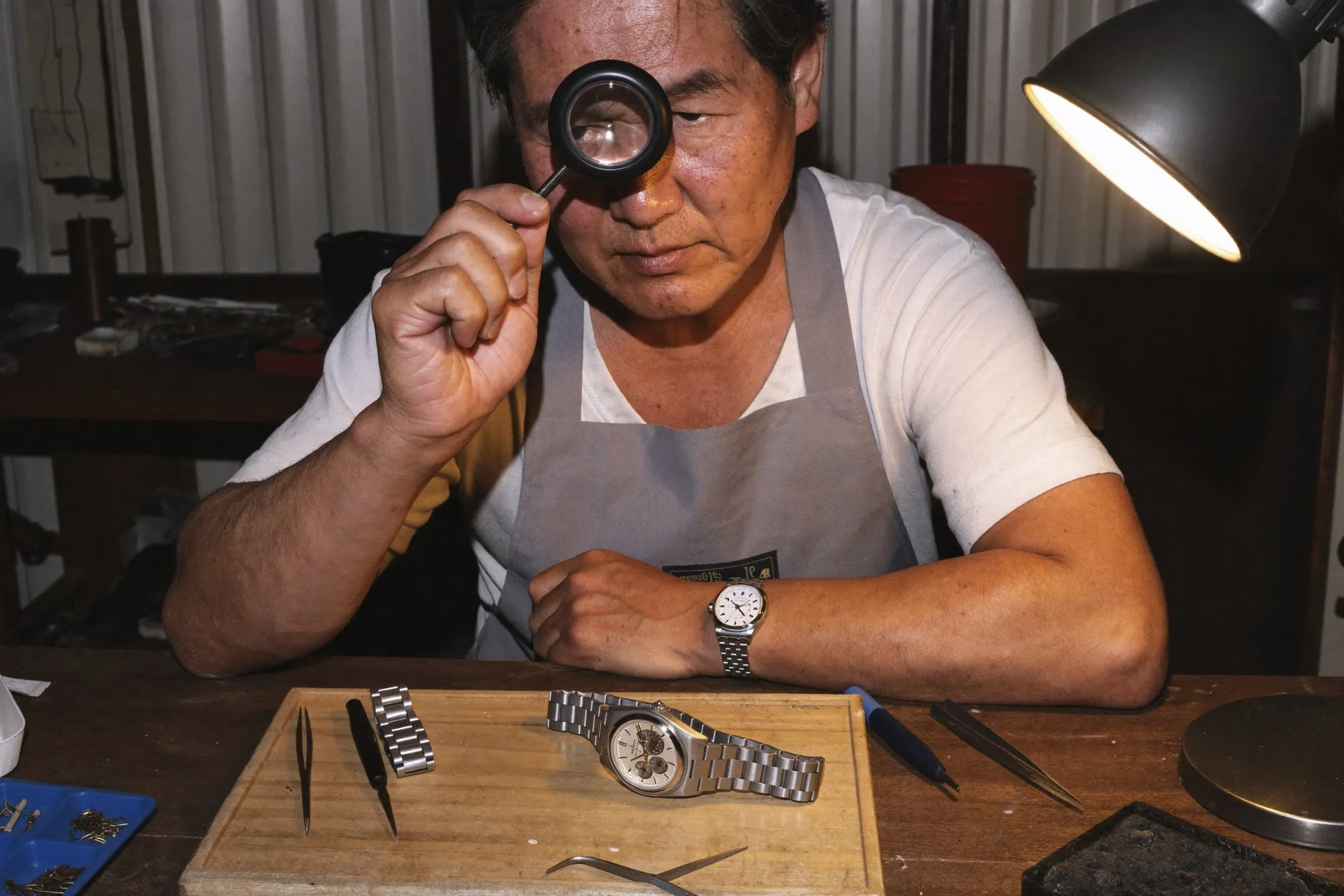
Seiko designs and manufactures its own movements, hairsprings and mainsprings, which almost no brand at any price does. It invented the quartz wristwatch, built Japan’s first diver, and runs a luxury division that competes with Switzerland on finishing. You get real watchmaking starting under RM500.
The company goes back to 1881, when Kintaro Hattori opened a watch shop in Tokyo. The Laurel, Japan’s first wristwatch, followed in 1913. In 1969 Seiko shipped the Astron, the first quartz wristwatch on the market, and the Swiss mechanical industry spent the next fifteen years nearly dying because of it. Four years earlier the company had built Japan’s first dive watch, the ancestor of everything now sold under the Prospex name.
That history matters for a practical reason. Most brands charging RM3,000 buy their movement from a Swiss supplier and put a logo on the dial. Seiko makes the spring. When a watch person says “in-house”, this is the boring, expensive, genuinely hard version of it.
Which Seiko line is which?
Six lines cover the range, and the names tell you nothing on their own. Here is the map, with honest street prices from authorised dealers in Malaysia and Singapore:
| Line | What it is | Rough price (MY) | Buy it for |
|---|---|---|---|
| Seiko quartz / Solar | Cheap, thin, accurate | RM400-900 | Zero-fuss daily wear |
| Seiko 5 Sports | Entry automatic, day-date, 100m | RM1,100-1,500 | Your first mechanical watch |
| Presage | Dress automatics, enamel and lacquer dials | RM1,800-4,500 | Dinners, office, dial obsession |
| Prospex | Divers, field watches, chronographs | RM2,000-5,000 | Water, travel, one-watch duty |
| King Seiko | Reissued mid-tier mechanical, sharper finishing | RM6,000-8,000 | Finishing without Grand Seiko money |
| Grand Seiko | Separate luxury brand since 2017 | RM15,000 up | The endgame |
Most people only need the middle three. The quartz range is sensible and forgettable, and if pure accuracy is what you want, our Casio guide has cheaper answers. King Seiko and Grand Seiko are what you buy after the hobby has properly got you, which our watches at every budget guide maps out in price order.
What is a Seiko 5, and should it be your first automatic?
Yes, for most people. The Seiko 5 Sports gives you a mechanical movement that hacks and hand-winds, a day-date, 100m water resistance and a case you can stop worrying about, for around RM1,100 to RM1,500 or S$380 to S$500. Nothing Swiss at that money makes its own movement.
The name comes from 1963 and means five things: automatic winding, a day-date display, water resistance, a recessed crown at four o’clock, and a case and bracelet built to survive. Seiko relaunched the line in 2019 around the 4R36 movement, which added two features the older versions lacked. You can wind it by hand instead of shaking it awake, and the seconds hand stops when you pull the crown, so you can set it against your phone to the second.
Off the wrist it runs about forty hours before it stops. Wear it daily and it never stops. Leave it in a drawer over a long weekend and you reset it on Monday, which is either a small ritual or a small annoyance depending on your temperament.
One warning before you order online. The mainstream 5 Sports case measures around 42mm and wears large on a slim wrist, which describes most wrists in this region. Seiko has added smaller versions in the high 30s, and the difference on the arm is not subtle. Try both at a counter.
Presage or Prospex: which comes after the 5?
Presage if your calendar has dinners and ballrooms, Prospex if it has water and airports. Presage buys you a thinner case and a dial worth staring at, from around RM1,800. Prospex buys 200m water resistance, a screw-down crown and lume you can read at 2am, from around RM2,000.
The Presage dials are the reason the line exists. Seiko puts porcelain, enamel and urushi lacquer on watches that cost less than a decent laptop, and the enamel pieces come out of a small workshop under a named craftsman rather than a machine. The Cocktail Time references, with their sunburst textures, do most of the brand’s Instagram work. The trade-off is 50m water resistance and a case that wants a shirt cuff, so it belongs with the outfits in our wedding guest guide rather than a beach.
Prospex is the opposite bargain. The dive models are heavy, legible and effectively unkillable, and they pass fine with smart casual as long as you accept that everyone can see you are wearing a tool. In this climate a Prospex has a real argument: it shrugs off sweat, rain and a Langkawi long weekend, none of which a lacquer dial enjoys.
How accurate is a Seiko automatic?
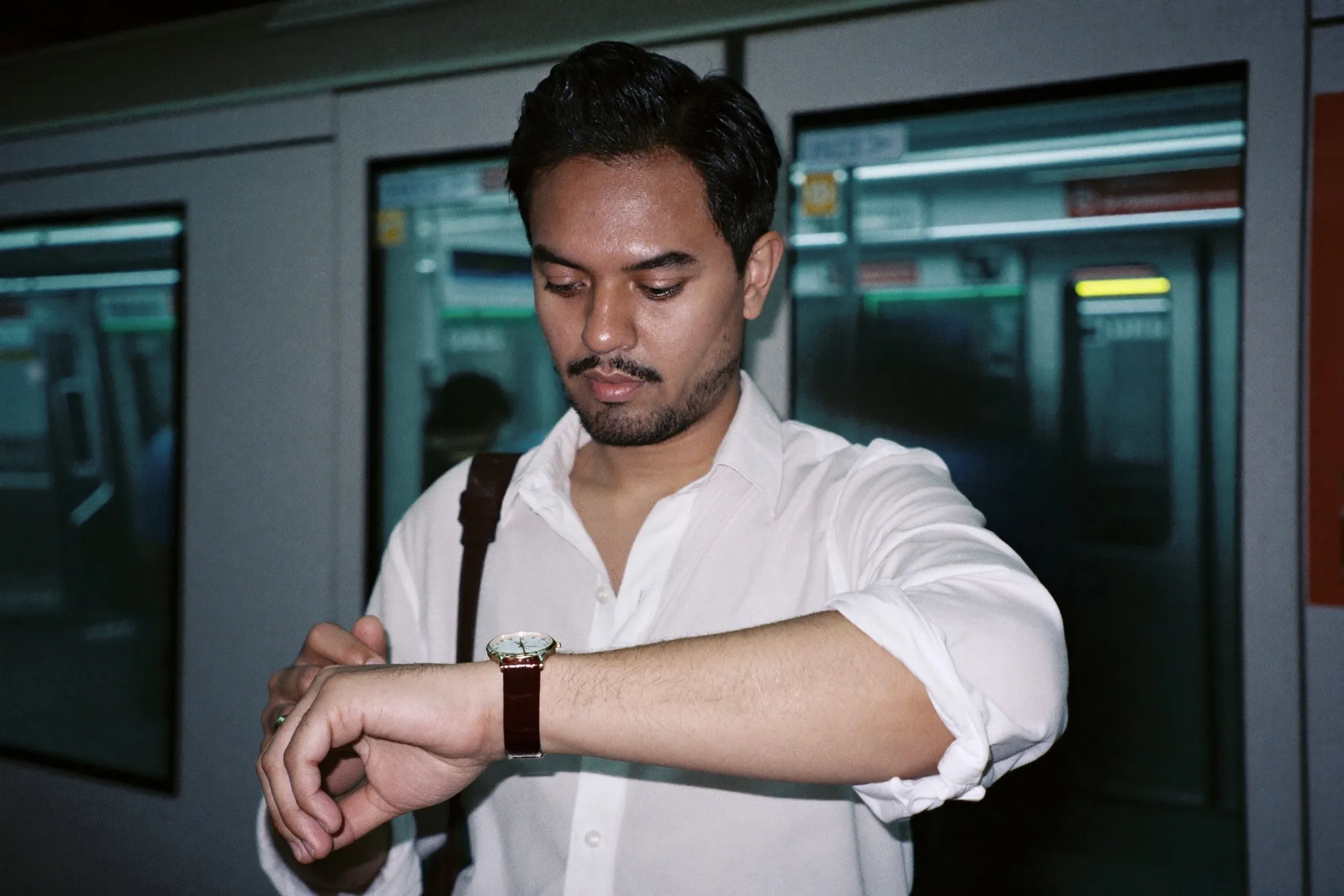
Not very, by modern standards, and this catches people out. Seiko rates its entry movements with wide tolerances, so ten to thirty seconds of drift a day sits inside spec. A RM50 quartz watch will beat it without trying. You are buying a mechanism, not a timekeeper.
There is a trick worth knowing. A mechanical watch runs at different rates depending on its position, so if yours gains time, rest it dial-up overnight, and if it loses, try crown-up. A week of experimenting can pull a fast watch back toward reasonable. A watchmaker can also regulate it properly for RM100 to RM200 in most MY shops, which is the better fix if the drift bothers you.
On servicing, be realistic. A full strip-and-clean on an entry Seiko automatic can cost half what the watch cost new, which is why plenty of owners run theirs until it dies and then buy another. That is a defensible plan on a Seiko 5. It stops being defensible somewhere around Presage money, where a service every seven or eight years is part of owning the thing.
Where do you buy Seiko without getting burned?
Buy from Seiko boutiques, authorised dealers like City Chain, or department store watch counters at Pavilion, Mid Valley, ION Orchard and Takashimaya. You get local warranty and a service path. Everything else involves a trade-off you should make on purpose, not by accident.
The grey market is the main one. Seiko sells a huge range in Japan that never reaches MY or SG officially, including references collectors chase, and grey dealers import them. Those watches are genuine. What they lack is local warranty cover, so a fault means paying out of pocket. Established grey dealers with a physical shop and a phone number are a reasonable bet. Anonymous marketplace accounts are not.
Then the counterfeits, which come in two flavours here:
- Straight fakes. Common on cheap listings for popular divers. Sloppy lume, wrong dial printing, a rotor that sounds like gravel. Price is usually the tell.
- Franken-watches. Genuine Seiko cases fitted with aftermarket dials, hands or bezels from the modding scene, then sold as stock. Modding is a legitimate hobby, and sellers who disclose it are fine. Sellers who do not are the problem.
Discontinued references need extra care. The SKX divers left production years ago and now trade at prices well above what they cost new, which gives forgers a real incentive. If you want that look, current Prospex models do the same job with a warranty.
How do you keep one alive in this climate?
Heat and humidity attack the parts nobody thinks about. Leather straps in KL go stiff and start to smell within a year of daily wear, so steel bracelets, rubber and NATO straps make more sense here. Rinse the watch in fresh water after the sea. Never press pushers or unscrew the crown while it is wet.
Two more habits worth building. Get the gaskets checked every few years if the watch goes near water, because a dive rating is only as good as its seals. And keep the watch away from laptop speakers, magnetic bag clasps and induction hobs, since a magnetised movement suddenly runs minutes fast and looks like a serious fault. Demagnetising takes a watchmaker about a minute and costs almost nothing.
The rest of the culture section covers what else is worth caring about. For now, go to a mall watch counter this weekend and put a Seiko 5 Sports on your wrist next to a Presage. Ten minutes at the glass settles arguments that six weeks of forum reading never will.
Quick answers
Is a Seiko 5 worth the money?
For a first automatic, yes. Around RM1,100 to RM1,500 buys an in-house movement that hacks and hand-winds, a day-date, 100m water resistance and a case built to be knocked about. Nothing Swiss at that price makes its own movement. Fit matters more than the spec sheet, so try one on.
What is the difference between Seiko Presage and Seiko 5?
Presage is the dress line: thinner cases, dressier dials in enamel or lacquer, sapphire on most references, and lower water resistance. Seiko 5 Sports is the tough daily with a steel case, day-date and 100m rating. Presage costs roughly twice as much and looks it at a dinner table.
How accurate is a Seiko automatic?
Seiko rates its entry automatics loosely, so drift of ten to thirty seconds a day sits inside normal. A RM50 quartz watch beats it easily. You buy a mechanical Seiko for the movement, not the timekeeping, and you reset it against your phone once a week.
Are Japan-only Seiko models safe to buy in Malaysia or Singapore?
They are genuine watches, but a grey-market JDM reference carries no local warranty and the authorised dealer will not service it as a warranty job. Buy from an established grey dealer with a shopfront, budget for out-of-pocket repairs, and skip anonymous marketplace sellers.